
The COVID-19 pandemic posed unprecedented challenges to the global travel and tourism industry, severely disrupting economies worldwide. As countries grappled with lockdowns, travel restrictions, and health concerns, Dubai emerged as a pioneer in reopening safely and pragmatically. Julia Simpson, President and CEO of the World Travel and Tourism Council (WTTC), lauded Dubai’s approach, emphasizing its balance between safeguarding public health and reviving the economy. This article delves deep into Dubai’s post-pandemic recovery, the strategies that made it successful, and the broader implications for the travel and tourism sector globally.
Dubai’s Pragmatic Approach to Pandemic Management
During the height of the COVID-19 pandemic, Dubai adopted a pragmatic and balanced strategy that prioritized both public health and economic sustainability. Unlike many countries that implemented prolonged lockdowns or inconsistent travel restrictions, Dubai focused on early vaccination campaigns combined with cautious reopening measures. This approach allowed the emirate to mitigate health risks while sustaining essential economic activities, especially in the tourism sector.
The government’s decision to open borders early but with strict health protocols set Dubai apart from many other global destinations. By implementing robust testing, quarantine measures, and contact tracing, Dubai ensured traveler safety without compromising the flow of tourism. This meticulous balance helped maintain public confidence and attracted visitors who were eager to travel safely.
Moreover, Dubai’s coordination between health authorities, tourism bodies, and the private sector was key to its success. The unified response ensured that policies were both effective and adaptable, responding dynamically to evolving pandemic conditions. This integrated approach laid the foundation for Dubai’s rapid recovery and positioned it as a global role model for pandemic management.
WTTC Chief Highlights Dubai’s Leadership in Safe Reopening
Julia Simpson, the President and CEO of the World Travel and Tourism Council, praised Dubai’s leadership in reopening safely during a recent media briefing. She noted that while many governments struggled with inconsistent policies such as red and non-red travel lists, Dubai’s pragmatic and clear strategy provided a blueprint for others to follow.
Simpson emphasized that Dubai’s ability to protect jobs while safeguarding public health was a critical achievement. The emirate’s approach demonstrated that economic revival and health safety are not mutually exclusive but can be harmonized through careful planning and execution.
The WTTC chief also highlighted the importance of Dubai’s early adoption of vaccination programs and cautious reopening, which allowed the destination to regain traveler confidence sooner than many others. This leadership has helped Dubai set a global example, inspiring other nations to rethink their reopening strategies in the post-pandemic era.
Economic Recovery and Job Creation in Dubai’s Travel Sector
Dubai’s travel and tourism sector has been a major driver of economic recovery post-pandemic. In 2022, the sector created over 89,000 new jobs, bringing total employment to more than 751,000—surpassing pre-pandemic 2019 levels by approximately 6,000 jobs. This remarkable growth underscores the resilience and vitality of Dubai’s tourism industry.
Looking ahead, projections indicate that the sector will continue to be a significant source of employment, with an estimated 121,000 jobs expected to be created over the next decade. This translates to an average of 12,100 new jobs annually, reflecting sustained confidence in the sector’s long-term growth potential.
The creation of these jobs not only supports economic diversification but also contributes to social stability by providing opportunities across various skill levels. From hospitality and travel services to entertainment and retail, Dubai’s tourism ecosystem is becoming an increasingly vital pillar of its economy.
Integration of Public and Private Sectors: The Secret to Success
One of the key factors behind Dubai’s swift recovery has been the seamless integration between public authorities and private enterprises. Unlike many destinations where government and industry operated in silos, Dubai fostered a collaborative environment that aligned goals and resources effectively.
This integration was evident in coordinated marketing campaigns, streamlined health and safety protocols, and joint efforts to enhance visitor experiences. Such unity ensured consistent messaging and efficient implementation of strategies, which boosted traveler confidence and business resilience.
Julia Simpson highlighted the leadership of Dubai’s Department of Economy and Tourism and its director-general, Helal Al Marri, as instrumental in driving this synergy. Their visionary approach ensured that all stakeholders worked towards common objectives, reinforcing Dubai’s competitive edge in the global tourism market.
Dubai’s Competitive Edge in the Global Tourism Landscape
Despite the presence of numerous expensive and popular travel destinations worldwide, Dubai has managed to maintain a competitive advantage through diversified offerings and strategic marketing. The city’s ability to cater to various traveler segments—luxury tourists, business visitors, and leisure travelers—has been a key differentiator.
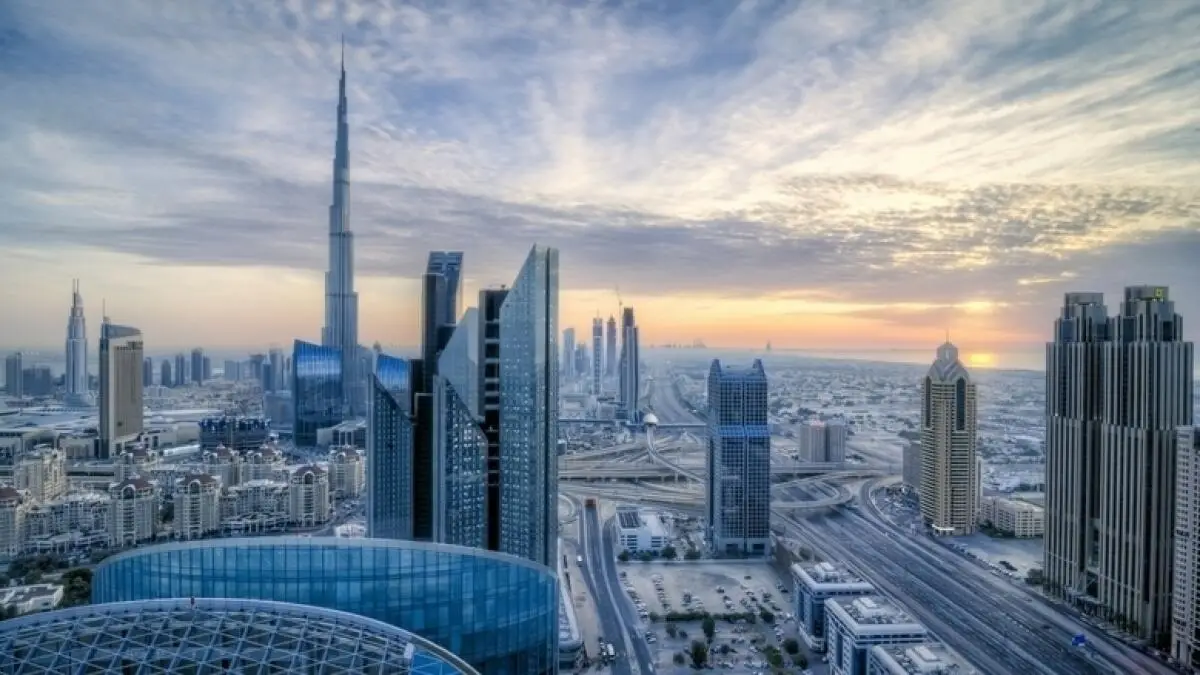
Dubai’s investments in world-class infrastructure, attractions, and events have further enhanced its appeal. From iconic landmarks like the Burj Khalifa to major international exhibitions, the emirate continuously innovates to provide unique experiences that attract global audiences.
Moreover, Dubai’s proactive marketing strategies effectively communicate the city’s safety measures and diverse opportunities, encouraging both tourists and businesses to engage with the destination. This combination of safety, variety, and promotion solidifies Dubai’s position as a top-tier global tourism hub.
The Phenomenon of Revenge Travel and Its Impact
Post-pandemic, the travel industry has witnessed a surge in ‘revenge travel’—a phenomenon where people, after prolonged restrictions, are eager to explore and experience new destinations. Dubai has capitalized on this trend by offering safe and accessible travel options, meeting the pent-up demand effectively.
This surge in travel demand has resulted in higher airfares and hotel prices due to supply constraints. However, the strong desire to travel and experience new cultures has kept demand resilient, supporting Dubai’s tourism recovery and economic growth.
The WTTC also noted that business travel is rebounding and is expected to return to pre-pandemic levels by next year. This recovery of both leisure and business travel segments bodes well for Dubai’s tourism ecosystem, reinforcing its status as a global business and leisure destination.
Future Outlook for Dubai’s Travel and Tourism Sector
The outlook for Dubai’s travel and tourism sector remains optimistic, with sustained growth anticipated over the coming decade. Continued job creation, infrastructure development, and innovative offerings are expected to drive the sector’s expansion.
Dubai’s commitment to health safety and technological advancements, such as digital health passports and contactless services, will further enhance visitor confidence and streamline travel experiences. These innovations position Dubai favorably in a competitive global market.
Additionally, government initiatives aimed at supporting tourism education and hospitality training will ensure a skilled workforce to meet future demands. Together, these efforts underscore Dubai’s strategic vision to remain a leader in safe and sustainable tourism.
Global Lessons from Dubai’s Pandemic Response
Dubai’s experience offers valuable lessons for countries seeking to balance public health with economic revival in the travel sector. The emirate’s pragmatic, integrated, and forward-thinking approach demonstrates that effective coordination is essential for resilience.
By prioritizing vaccinations, clear health protocols, and stakeholder collaboration, Dubai minimized disruptions while restoring traveler confidence. This model can be adapted by other destinations to navigate ongoing or future health crises without sacrificing economic stability.
Ultimately, Dubai’s success highlights the importance of vision, leadership, and flexibility in crisis management. Its example encourages governments worldwide to adopt balanced strategies that protect both people and livelihoods in an interconnected global economy.
Conclusion
Dubai’s exemplary handling of the COVID-19 pandemic and its strategic reopening have positioned the city as a global benchmark for safe and sustainable tourism recovery. The combined efforts of government leadership, private sector collaboration, and proactive health measures enabled Dubai to protect public health while revitalizing its economy. As the travel industry continues to evolve in the post-pandemic world, Dubai’s experience offers a blueprint for balancing safety and growth. With continued innovation and commitment, Dubai is poised to remain a leading destination and a source of valuable insights for the global travel community.