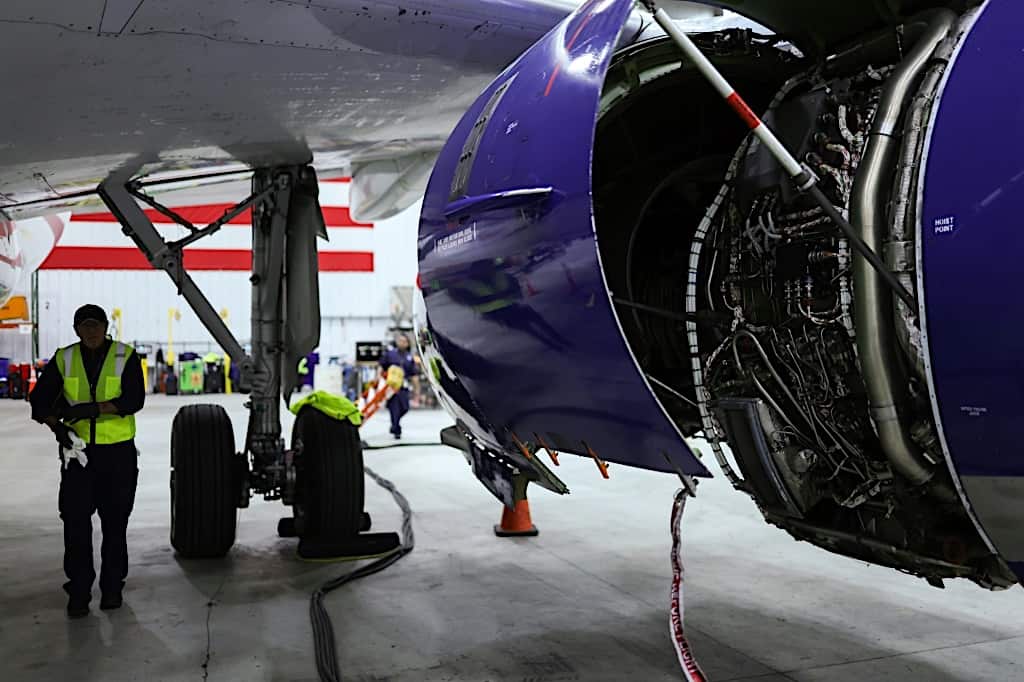

The aviation industry stands at a pivotal moment as it anticipates a significant expansion in its commercial aircraft fleet over the next decade. According to industry experts, the global fleet is expected to grow by approximately 33% by 2034, intensifying the demand for maintenance, repair, and overhaul (MRO) services. However, this surge in aircraft numbers coincides with a troubling shortage of skilled maintenance personnel, particularly in North America. The retirement of experienced baby boomers, coupled with pandemic-driven job shifts and insufficient training pipelines, has left the sector grappling with a growing manpower gap. This shortage threatens not only operational efficiency but also the safety and growth potential of the aviation industry.
The Growing Demand for Aviation Maintenance
The commercial aviation sector is on the cusp of unprecedented growth, with forecasts predicting the global fleet will expand to over 36,400 aircraft by 2034. This expansion is driven by increasing passenger travel demand, fleet modernization efforts, and the introduction of more fuel-efficient aircraft. As the number of planes in operation rises, so does the need for comprehensive maintenance, repair, and overhaul services to ensure safety and reliability.
Maintenance requirements will scale alongside fleet growth, leading to a projected 20% increase in MRO market spending by 2034. Aircraft maintenance is a highly specialized field involving routine inspections, repairs, component replacements, and compliance with stringent regulatory standards. The complexity and frequency of these tasks grow as fleets age and operate longer due to manufacturing delays and extended service life.
With airlines investing heavily in expanding and modernizing fleets, the pressure on maintenance facilities and personnel intensifies. Hangar space is increasingly scarce, and maintenance slots have become highly competitive. This intensifying demand underscores the critical need for a sufficient workforce of qualified aviation maintenance technicians who can uphold safety standards and operational efficiency.
Root Causes of the Maintenance Staff Shortage
One of the primary drivers of the maintenance staff shortage is the retirement of baby boomers who have long formed the backbone of the aviation maintenance workforce. As these experienced technicians exit the industry, their expertise and knowledge are lost faster than they can be replaced, creating a significant skills gap.
The COVID-19 pandemic further exacerbated the shortage by causing many maintenance professionals to switch careers or leave the industry due to economic uncertainty and reduced flight operations. This shift disrupted the labor market and slowed the influx of new talent into the field.
Compounding the issue is the inadequacy of current training pipelines. Aviation maintenance schools, such as the FAA-certified Aviation High Schools, have limited capacity and cannot rapidly scale enrollment to meet soaring demand. For example, even the largest aviation high school in Long Island, with around 2,000 students, cannot fill the growing gap in technician numbers.
Impact on Aviation Operations and Growth
The shortage of skilled maintenance staff has immediate and long-term implications for aviation operations. Without enough qualified technicians, scheduled maintenance can be delayed, leading to aircraft downtime and disruptions in flight schedules. This can erode airline reliability and customer satisfaction.
In the broader context, the lack of maintenance personnel could constrain the industry's growth potential. Airlines may hesitate to expand their fleets or increase flight frequencies if they cannot guarantee the maintenance support necessary to keep aircraft airworthy and compliant with safety regulations.
Moreover, the shortage increases pressure on existing maintenance staff, potentially leading to burnout and higher turnover rates. This vicious cycle further diminishes workforce capacity and jeopardizes both safety and efficiency within the industry.
Training and Education Challenges
Training new aviation maintenance technicians is a complex and time-intensive process. It requires specialized technical education, hands-on experience, and certification by regulatory bodies like the Federal Aviation Administration (FAA). The pipeline for producing qualified technicians is currently insufficient to meet demand.
While there are FAA-certified aviation high schools and technical colleges, their enrollment capacities are limited. Scaling these institutions involves significant investment in facilities, instructors, and curriculum development, which cannot be achieved overnight.
Additionally, the industry faces challenges in attracting younger generations to maintenance careers. Despite offering good job prospects and benefits, aviation maintenance work often lacks widespread visibility and appeal compared to other STEM careers, requiring targeted outreach and awareness programs.
Government and Industry Initiatives to Address the Shortage
Recognizing the severity of the shortage, governments and industry stakeholders have begun implementing initiatives to bolster the maintenance workforce. In the United States, Congress passed legislation in 2018 authorizing the FAA to award grants to aviation schools to expand training programs and improve capacity.
In March 2023, the FAA distributed $13.5 million to 32 aviation education institutions, with 20 specifically focused on maintenance technician training. These grants aim to enhance facilities, update curricula, and provide scholarships to attract more students.
Industry players are also investing in apprenticeship programs, partnerships with educational institutions, and career discovery events to inspire interest among young people. Airlines and MRO providers promote the diverse career paths, benefits, and job security associated with aviation maintenance roles.
Technological Advances and Their Impact on Maintenance Staffing
Advances in aviation technology, including predictive maintenance and digital monitoring systems, have the potential to transform maintenance operations. These innovations can optimize scheduling, reduce unscheduled repairs, and enhance the efficiency of maintenance teams.
However, while technology can augment human capabilities, it cannot fully replace the need for skilled technicians. Complex repairs, inspections, and regulatory compliance require hands-on expertise and judgment that remain beyond the scope of automation.
Furthermore, new technologies necessitate updated training and skill sets for maintenance personnel. The workforce shortage is compounded by the need to equip technicians with knowledge of cutting-edge systems, requiring continuous education and adaptation.
The Global Perspective: Maintenance Workforce Shortages Worldwide
While North America faces acute challenges, the shortage of aviation maintenance staff is a global issue. Boeing forecasts a need for approximately 690,000 new maintenance technicians worldwide over the next 20 years to support the growing commercial fleet.
Regions such as Asia-Pacific and the Middle East are experiencing rapid aviation growth, further stressing their maintenance labor markets. Many countries lack sufficient training infrastructure or face competition for skilled workers from other industries.
International collaboration and knowledge sharing are essential to bridge the global skills gap. Efforts to standardize training, certification, and career pathways can help create a more robust and mobile maintenance workforce capable of meeting worldwide demand.
Future Outlook and Strategies for Sustainable Workforce Development
Addressing the maintenance staff shortage requires a multifaceted approach involving government support, industry investment, educational innovation, and effective recruitment strategies. Expanding training capacity and improving the attractiveness of aviation maintenance careers are critical steps.
Long-term solutions include integrating advanced technologies into training programs, fostering diversity and inclusion to widen the talent pool, and promoting lifelong learning to keep pace with evolving aircraft systems.
By prioritizing workforce sustainability, the aviation industry can ensure that maintenance capabilities keep pace with fleet growth, safeguarding safety, operational efficiency, and industry expansion for decades to come.
Conclusion
The aviation industry’s promising growth trajectory is at risk of being curtailed by a critical shortage of skilled maintenance personnel. As fleets expand and aircraft age, the demand for qualified technicians grows exponentially. Addressing this challenge demands coordinated efforts from governments, educational institutions, and industry leaders to expand training capacity, modernize curricula, and enhance career appeal. Embracing technological advancements while investing in human capital will be essential to maintaining safety, operational excellence, and the sector’s long-term success. Without decisive action, the shortage of maintenance staff could indeed clip the wings of the aviation industry's ambitious future.