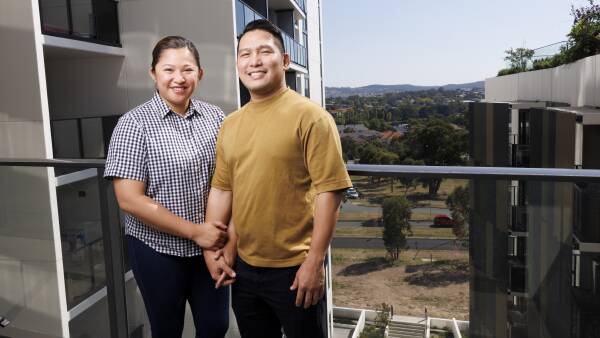

Canberra, Australia's capital city, has long been admired for its peaceful environment, quality of life, and promising opportunities. For many skilled migrants, moving to Canberra represents a dream come true—a chance to build a better future for themselves and their families. However, beneath the surface of this idyllic lifestyle lie distinctive challenges, especially in securing employment and navigating the migration process. This article delves into the experiences of skilled migrants like Joyce Abcede and Bryan Aquino, explores Canberra's demographic trends, and examines the hurdles and hopes that define their journey.
The Allure of Canberra: A Dream Realized
For skilled migrants such as Joyce Abcede and Bryan Aquino, relocating to Canberra was more than a move; it was the fulfillment of a long-held dream. Leaving behind established careers, homes, and social circles in the Philippines, they embraced Canberra's tranquil lifestyle and high living standards. Their story reflects the broader appeal of the city’s peacefulness combined with urban conveniences.
Canberra offers a unique balance that few cities can match—a small-town feel with access to quality services and amenities. The city’s reputation for safety, community friendliness, and environmental beauty attracts migrants seeking a nurturing environment for their families. For many, including Joyce and Bryan, Canberra’s welcoming atmosphere is a stark contrast to their previous metropolitan experiences.
Their decision to settle in Canberra was also influenced by personal connections. Having family already residing in the city provided a support network essential for adjusting to a new country. This sense of belonging and community is a vital component that makes Canberra not just a destination but a new home for skilled migrants.
Population Growth and Migration Trends in Canberra
According to recent Australian Bureau of Statistics data, Canberra welcomed 9,651 new residents in the 2022-23 financial year, with 88% arriving through overseas migration. This influx reflects Canberra’s growing appeal as a destination for skilled migrants seeking new opportunities and lifestyle improvements.
The city’s population now stands at approximately 451,691, with surrounding areas like Queanbeyan housing an additional 62,501 residents. While Canberra experiences steady growth, it’s notable that net internal migration—people moving to Canberra from other parts of Australia—has been negative, indicating more people leave Canberra domestically than arrive, a trend common across most Australian capitals.
Despite the preference of many migrants for larger cities like Sydney and Melbourne, Canberra’s distinct advantages continue to attract a steady stream of newcomers. Suburbs such as Gungahlin, Strathnairn, and Taylor have seen significant growth, with some areas expanding by nearly 50%, highlighting Canberra’s evolving urban landscape.
Settling in Canberra: The Migrant Experience
The initial stages of settling in Canberra can be challenging, as experienced by Joyce and Bryan when they first arrived. They moved into an empty apartment and initially slept on the carpet, symbolizing the sacrifices many migrants make for long-term gains. This adjustment period is a critical phase that tests resilience and adaptability.
Despite these early hurdles, migrants often find Canberra’s community welcoming and supportive. Bryan highlighted the friendliness of locals, noting how simple gestures like greetings on the street create a warm, vacation-like atmosphere. This social friendliness plays a crucial role in helping migrants feel integrated and valued.
Additionally, the city’s smaller scale compared to other capitals allows for more accessible community engagement and a greater sense of safety. These factors contribute to the overall satisfaction migrants report, reinforcing their decision to make Canberra their home despite initial hardships.
Employment Challenges for Skilled Migrants
While Canberra offers promising opportunities, skilled migrants face significant obstacles in the job market. A substantial portion of employment in the city is within the public sector, which often restricts hiring to Australian citizens unless special approvals are granted. This policy limits access to many government roles for non-citizen migrants.
Joyce, with a background in human resources, and Bryan, experienced in customer service, both encountered difficulties securing full-time employment aligned with their skills. Bryan spent months searching before finding a suitable role at ActewAGL, while Joyce works remotely due to the scarcity of local opportunities requiring Australian work experience.
The requirement for Australian work experience acts as a barrier to integration into the workforce, often forcing skilled migrants to accept positions below their qualifications or work outside their fields. This underutilization of skills not only affects migrants’ career progression but also represents a loss of valuable talent for Canberra’s economy.
The Role of Regional Skilled Work Visas
Many skilled migrants, including Joyce and Bryan, arrive in Canberra on regional skilled work visas designed to encourage settlement in less populated areas. These visas offer pathways to residency but come with conditions that influence migrants’ employment options and mobility.
The regional visa program aims to address skill shortages in specific areas but can inadvertently limit access to broader job markets, particularly in government roles predominant in Canberra. This creates a tension between visa conditions and the economic realities migrants face.
Despite these constraints, regional skilled work visas remain an essential mechanism for attracting qualified individuals to Canberra, contributing to the city’s demographic and economic growth. Policymakers continue to evaluate how best to support migrants within this framework to maximize their integration and contributions.
Suburban Growth Reflecting Migrant Settlement Patterns
Canberra’s demographic expansion is most visible in its suburbs, where population growth reflects the settlement patterns of migrants and internal movers. Gungahlin, where Joyce and Bryan reside, added 153 residents in 2023, illustrating the area's appeal to new arrivals.
Northside suburbs like Strathnairn and Taylor have experienced extraordinary growth rates of 50% and 46% respectively, indicating strong demand for housing and community infrastructure. These suburbs attract migrants due to affordability, amenities, and proximity to employment hubs.
The growth in these areas also signals the need for expanded public services, schools, and transport links to support the increasing population. Understanding these trends helps local governments plan effectively to accommodate the needs of a diversifying community.
Big Dreams and Future Prospects for Skilled Migrants
Despite the challenges faced, skilled migrants like Joyce and Bryan maintain ambitious goals. After securing residency, they plan to start a family and invest in property, reflecting the long-term commitment many migrants have to Canberra’s future.
Their aspirations extend beyond personal milestones; they envision contributing meaningfully to Canberra’s social and economic fabric. This optimism underscores the importance of supportive policies and community programs that empower migrants to realize their potential fully.
Moreover, their journey highlights a broader narrative of resilience and hope shared by many migrants who view Canberra not just as a place to live, but as a home where dreams can be nurtured and achieved.
Conclusion
Moving to Canberra represents a dream come true for many skilled migrants, offering a peaceful environment, strong community, and promising opportunities. However, their journey is not without unique struggles, particularly in navigating employment barriers and adapting to visa restrictions. The experiences of migrants like Joyce Abcede and Bryan Aquino illuminate both the challenges and hopes that define this new chapter. As Canberra’s population continues to grow, fostering inclusive policies and support systems will be essential to unlocking the full potential of skilled migrants and ensuring the city remains a welcoming home for all.