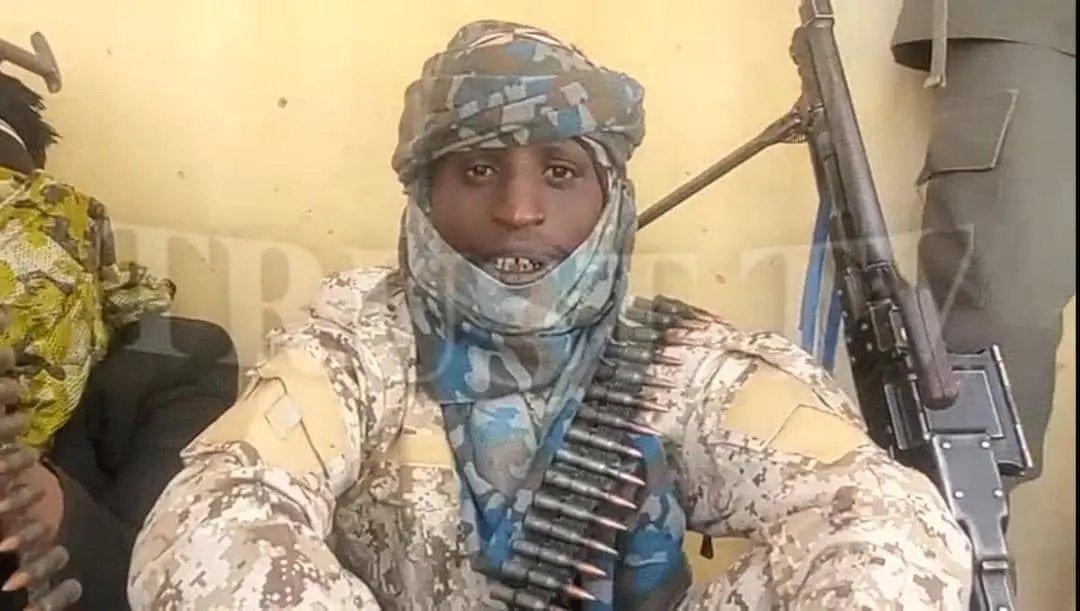

Bello Turji, one of Nigeria’s most infamous bandit kingpins, has recently shifted his operations to the Maradun Local Government Area in Zamfara State. This move comes amid a relentless military offensive spearheaded by Operation Fansan Yamma, targeting Turji’s extensive criminal network. The Nigerian military’s recent successes include the elimination of Turji’s second-in-command and several other high-ranking bandits, signaling a significant blow to his operations. This article explores the dynamics of Turji’s relocation, the strategic military actions taken, and the broader implications for security in the Northwest region of Nigeria.
Background on Bello Turji and His Criminal Network
Bello Turji has long been recognized as a formidable figure in the ongoing banditry crisis affecting Northwestern Nigeria. His network is notorious for orchestrating kidnappings, armed raids, and violent attacks across multiple states, particularly Zamfara and Sokoto. Turji’s operations have destabilized communities, disrupted economic activities, and challenged state security apparatuses.
Turji’s criminal enterprise thrives on a combination of armed militancy and strategic alliances with other bandit groups. His ability to evade capture and coordinate attacks has made him a high-priority target for Nigerian security forces. Over the years, his influence has extended to various local government areas (LGAs), leveraging the region’s rugged terrain to maintain strongholds.
The bandit leader’s network is hierarchical, with trusted lieutenants managing different operational zones. This structure has allowed Turji to sustain his activities despite periodic military crackdowns. Understanding the composition and reach of his network is essential to appreciating the significance of recent military gains against him.
Details of the Recent Military Offensive
The recent military campaign, led by Operation Fansan Yamma, has marked a turning point in the fight against banditry in Northwestern Nigeria. The operation combines air and ground assaults targeting key bandit hideouts and leadership figures. These coordinated efforts have intensified since early 2024, aiming to dismantle entrenched criminal networks.
A critical milestone was the successful elimination of Aminu Kanawa, Turji’s second-in-command, in Fakai LGA. Kanawa was infamous for masterminding brutal attacks across several LGAs in Zamfara and neighboring Sokoto State. His death represents a severe disruption to Turji’s command structure and operational capacity.
Alongside Kanawa, other prominent figures such as Dosso, Turji’s younger brother, and Danbokolo, a close ally, were also neutralized. These targeted strikes have weakened Turji’s network, diminishing its ability to coordinate widespread attacks and maintain territorial control.
Strategic Implications of Turji’s Relocation to Maradun
Turji’s flight to Maradun LGA is a strategic response to the mounting pressure from military offensives. Maradun’s terrain offers natural cover and proximity to other bandit strongholds, making it a plausible refuge for regrouping. This relocation signals an attempt to preserve his remaining forces and reestablish control over key areas.
The shift also raises security concerns for Maradun and surrounding communities, as Turji’s presence could exacerbate violence and instability. Local authorities and military units are now focusing surveillance and intelligence efforts in this area to prevent the consolidation of bandit activities.
Moreover, Turji’s movement reflects the fluid nature of banditry in the region, where groups often relocate to evade capture and exploit new territories. Understanding these patterns is crucial for designing effective counterinsurgency strategies.
Elimination of Key Bandit Commanders in Sokoto State
Beyond Zamfara, Nigerian troops launched significant operations in Isa LGA of Sokoto State, where numerous bandits were neutralized during an engagement at Gebe. This assault dismantled several key commanders within Turji’s network, including Abu Dan Shehu, Jabbi Dogo, Dan Kane, and others.
The loss of these commanders disrupts the operational coordination and morale of bandit factions. Their roles often encompass planning raids, managing logistics, and recruiting fighters, making their elimination a critical setback for Turji’s criminal enterprise.
This cross-border offensive underscores the interconnectedness of banditry across state lines and the necessity for joint military efforts. It also highlights the increasing capability of Nigerian forces to conduct precise and intelligence-driven operations.
Bandit Movements and Regrouping Efforts Post-Offensive
Following the military onslaught, intelligence reports indicate that Turji’s loyalists are maneuvering through several locations, including Galadi, Damaga, Rudunu, and Danbenchi. These movements suggest attempts to transport wounded fighters and regroup in safer zones along the Bayan Ruwa axis.
The areas of Rudunu, Bankamawa, and Farfaru have emerged as notable bandit strongholds where regrouping efforts are underway. These locations are strategically chosen due to their remote terrain and existing bandit presence, complicating military access and surveillance.
Such regrouping activities highlight the resilience of bandit networks and the challenges security forces face in eradicating entrenched criminal elements. Continuous monitoring and adaptive strategies are essential to counter these evolving threats.
Emerging Alliances and Their Security Implications
A concerning development is the reported alliance between Turji and former rival Jummo Smally, who is believed to be sheltering some of Turji’s fighters in Garsa/Kadanya. This partnership could signify a consolidation of bandit factions, potentially amplifying their operational capacity and threat level.
The motivations behind this coalition remain unclear, but such alliances often arise from strategic necessity, shared interests, or mutual protection against military offensives. This convergence could complicate security operations by merging distinct networks and resources.
Security agencies are closely monitoring this alliance to assess its impact and devise countermeasures. Understanding the dynamics of such coalitions is vital for disrupting bandit activities and preventing escalation of violence.
Military Intelligence and Civilian Safety Considerations
Defense intelligence officials have confirmed Turji’s relocation and emphasized the ongoing tracking of his movements. A key priority is minimizing civilian casualties, as Turji is reportedly accompanied by vulnerable individuals, including women, children, and possibly kidnapped victims.
Military strategies are therefore carefully calibrated to balance aggressive targeting of bandits with the need to protect innocent lives. This approach underscores the complexity of counterinsurgency operations in areas where combatants and civilians are intermingled.
The intelligence community continues to gather data on the identities and affiliations of those accompanying Turji. This information is crucial for planning precise strikes and humanitarian interventions to rescue abductees and reduce collateral damage.
The Path Forward: Prospects for Stability in Northwestern Nigeria
The recent military successes against Turji’s network mark significant progress toward restoring peace and security in the Northwest region. However, the banditry challenge remains dynamic, requiring sustained efforts and adaptive strategies from Nigerian security forces.
Community engagement, improved intelligence sharing, and coordinated regional cooperation are essential components to complement military operations. These measures can help address the root causes of banditry, such as poverty, weak governance, and lack of infrastructure.
As Turji’s reign of terror faces increasing pressure, the hope is that these combined efforts will dismantle bandit networks and create a safer environment for affected populations. Continued vigilance and resource allocation remain critical to achieving long-term stability.
Conclusion
The relocation of Bello Turji to Maradun amid an aggressive military offensive reflects both the resilience and vulnerabilities of bandit networks in Northwestern Nigeria. While the Nigerian military has achieved significant victories by eliminating key figures within Turji’s ranks, the bandits’ ability to adapt and form new alliances poses ongoing challenges. Ensuring civilian safety while dismantling these networks requires a nuanced approach combining intelligence, tactical operations, and community collaboration. Ultimately, the sustained commitment of security forces and local stakeholders offers hope for restoring peace and stability to the region, curbing the cycle of violence perpetuated by armed banditry.