
In an increasingly digital world, freelancers and consultants must continuously adapt, learn new skills, and find innovative ways to connect with clients. Recent global initiatives involving student-led WordPress workshops provide inspiring examples of how hands-on learning, community engagement, and mentorship can accelerate career growth. From Bangladesh to Uganda and Costa Rica, students with little to no prior experience built websites, developed plugins, and even taught peers—all without paying a dime. These stories offer valuable lessons for freelancers and consultants navigating the evolving gig economy, especially in emerging markets like Nigeria.
Harnessing Hands-On Learning to Build Marketable Skills
The success of the WordPress Campus Connect program in Bangladesh, where students built 108 websites in just two weeks, highlights the power of immersive, practical training. Many participants had never created a website before, yet through guided workshops, they gained tangible skills that directly translate to freelance opportunities.
For freelancers and consultants, this underscores the importance of continuous skill-building through active projects rather than passive learning. Engaging in real-world tasks—such as website development, plugin creation, or content management—can enhance proficiency and confidence, making it easier to attract clients and command competitive rates.
Moreover, the use of shared curricula and volunteer-led sessions ensures accessibility and consistency, enabling learners to progress systematically. Freelancers can adopt similar approaches by creating structured learning plans or joining peer groups to stay motivated and accountable.
Adapting to Challenges: Creativity in Client and Project Management
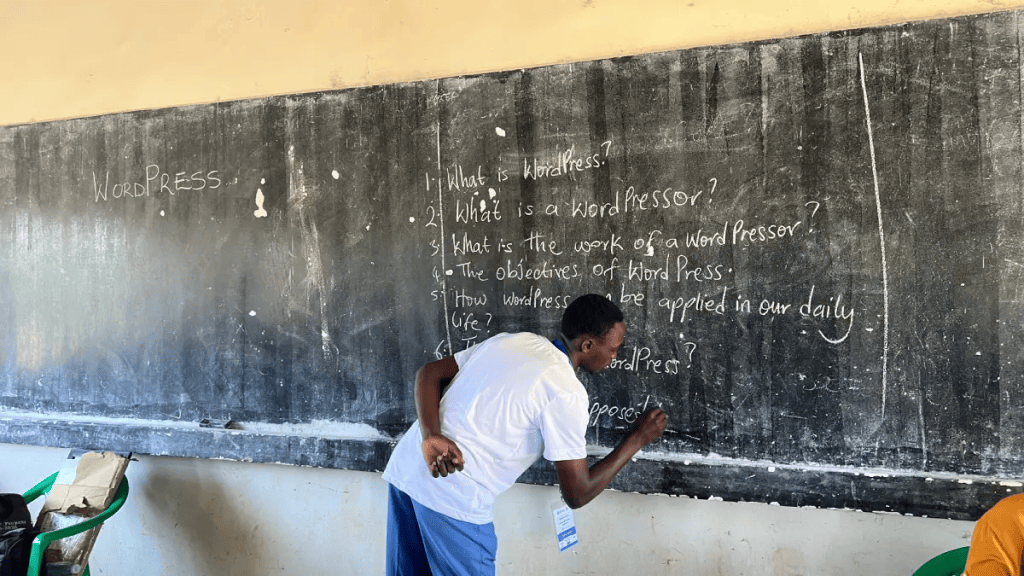
The workshop in eastern Uganda exemplifies resilience and adaptability. Despite the absence of electricity, organizers proceeded with the session, engaging over 100 learners through discussion and Q&A. This experience teaches freelancers and consultants the value of flexibility when managing projects and client expectations.
In freelance work, unexpected obstacles—such as technical issues, communication barriers, or resource constraints—are common. Developing contingency plans and maintaining open dialogue with clients can help navigate these challenges effectively.
Additionally, the Ugandan workshop’s focus on understanding learners’ existing knowledge and interests before proceeding mirrors best practices in client management. Tailoring services to meet clients’ specific needs fosters trust and satisfaction, which are crucial for repeat business and referrals.
Peer-to-Peer Teaching: Building Community and Enhancing Expertise
In Costa Rica, university students who had recently completed WordPress training took the initiative to teach high school girls, promoting female participation in STEM fields. Their efforts culminated in a replicable guide for others to run similar workshops.
For freelancers and consultants, peer teaching can be a powerful tool for reinforcing one’s own knowledge while contributing to community growth. Hosting webinars, writing tutorials, or mentoring newcomers not only builds reputation but also expands professional networks.
Furthermore, fostering inclusive environments—such as encouraging underrepresented groups to engage in tech—can open new markets and diversify client bases. Embracing this mindset aligns with global trends emphasizing diversity and social impact within the gig economy.
Leveraging Mentorship and Academic Credit to Advance Careers
The WordPress Credits program offers students mentored internships where they contribute to WordPress development and earn academic credit. This model bridges education and professional experience, providing a competitive edge in the job market.
Freelancers and consultants can seek similar mentorship opportunities or collaborate on open-source projects to gain exposure and credibility. Participating in well-known platforms or contributing to widely used software can enhance portfolios and attract higher-paying clients.
Additionally, aligning freelance work with formal recognition—such as certifications or academic credits—can validate skills for prospective clients, especially in regions where freelance careers are still emerging.
Global Trends in Remote Work and the Gig Economy: Insights for Nigerian Freelancers
The global reach of these WordPress initiatives—from Asia to Africa to Latin America—reflects the growing accessibility of remote work and digital freelancing. Nigerian freelancers can draw inspiration from these programs to expand their skill sets and tap into international markets.
Remote work trends emphasize flexibility, self-direction, and continuous learning—all traits exemplified by the student participants. Nigerian consultants can leverage these qualities to differentiate themselves in a competitive gig economy.
Moreover, the availability of free resources and community-driven programs suggests that cost barriers can be overcome with initiative and collaboration. Nigerian freelancers should explore similar local or global networks to access training, mentorship, and client opportunities without significant upfront investment.
Practical Steps for Freelancers and Consultants to Apply These Lessons
1. Engage in project-based learning: Build websites, plugins, or digital products to develop and showcase your skills.
2. Embrace flexibility: Prepare for challenges by having backup plans and maintaining clear communication with clients.
3. Teach and mentor: Share your knowledge through workshops, blogs, or peer groups to reinforce your expertise and grow your network.
4. Seek mentorship and contribute to open-source projects: Gain real-world experience and credibility.
5. Utilize free or low-cost educational programs: Look for initiatives like WordPress Campus Connect or similar local offerings to enhance your skills without financial strain.
6. Focus on client needs: Customize your services to align with client goals and local market demands.
7. Build a portfolio with recognized credentials: Combine practical work with certifications or academic credits when possible.
What this means
The inspiring stories of students from Bangladesh, Uganda, and Costa Rica demonstrate that with the right support, resources, and mindset, anyone can build valuable digital skills and contribute meaningfully to the global gig economy. For freelancers and consultants, especially those in emerging markets like Nigeria, these examples highlight practical strategies to enhance skills, manage clients effectively, and grow sustainable careers. By embracing hands-on learning, adaptability, community engagement, and mentorship, you can position yourself for success in an increasingly interconnected and digital freelance landscape.
Source: Students Built 108 Websites in Two Weeks in Bangladesh via wordpress.org.
This article was curated with AI assistance and reviewed according to Tamfis editorial settings.