

The US labor market stands at a crossroads as rapid advancements in artificial intelligence (AI) and automation technologies threaten to disrupt traditional employment patterns. Congressional lawmakers from both parties have voiced apprehension about how AI could reshape the workforce, potentially displacing millions of jobs while demanding new skill sets. Despite acknowledging the transformative potential of AI, many representatives admit uncertainty about how best to regulate and prepare for its far-reaching consequences. This article delves into the nuanced concerns raised by Congress, the implications for the American labor market, and the critical steps needed to navigate this unprecedented technological shift.

Congressional Concerns Over AI's Disruptive Potential

Artificial intelligence represents one of the most profound technological disruptions of the 21st century. Congressional leaders have acknowledged that AI’s rapid development could fundamentally alter job availability and the nature of work itself. Representative Adam Smith, chair of the House Armed Services Committee, openly admitted to the uncertainty surrounding AI’s long-term impact, emphasizing the need for careful examination and proactive policy responses.

While some lawmakers highlight AI’s potential to displace workers, others caution against overstating the threat. For instance, Representative Ben Cline of Virginia pointed out that new technologies historically have led to shifts in employment rather than outright job losses. Nonetheless, the consensus remains that AI will significantly transform labor markets, requiring close monitoring and adaptive strategies.

The debate underscores the complexity of AI’s influence: it promises efficiency gains and innovation but also raises concerns about workforce displacement, wage suppression, and economic inequality. Congress is grappling with balancing these competing outcomes while ensuring that American workers are not left behind.

The Scale of AI-Induced Job Displacement

Recent analyses highlight the staggering scale of potential job disruption due to AI and automation. A Goldman Sachs report estimated that up to 300 million jobs worldwide could be affected, signaling a significant upheaval in global labor markets. In the US, sectors like food service, retail, and manufacturing are particularly vulnerable to automation-driven displacement.

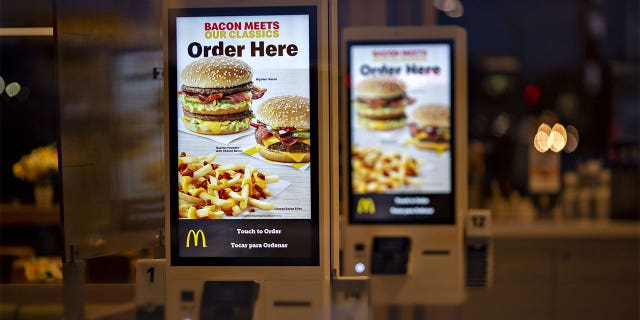
For example, the restaurant industry, which employs millions of Americans, faces a looming transformation with AI-powered technologies capable of automating tasks such as order taking and food preparation. Tech CEOs have revealed that AI systems have already processed over a million drive-through orders, illustrating how quickly automation can penetrate everyday service roles.

These developments raise urgent questions about the future of low- and medium-skill jobs that form the backbone of the American workforce. While automation can increase productivity and reduce costs for businesses, it also threatens the livelihoods of many workers who may struggle to transition to new roles without targeted support.

Diverse Perspectives Within Congress on AI’s Impact

Congressional opinions on AI’s effects vary widely, reflecting ideological and regional differences. Some members, like Representative Marjorie Taylor Greene, express strong concerns about AI directly replacing American jobs, urging Congress to implement stricter controls on the technology. She also highlights other labor market threats, including immigration and global competition.

Conversely, lawmakers such as Representative Ben Cline emphasize national security risks associated with AI rather than job displacement alone. His focus is on safeguarding critical infrastructure from malicious AI applications, underscoring the multifaceted nature of AI-related threats beyond employment concerns.

Meanwhile, voices like Representative Byron Donalds call for rapid research and understanding of AI’s implications to better protect workers. This spectrum of views demonstrates Congress’s ongoing struggle to develop a unified approach to AI policy that addresses economic, security, and ethical dimensions.

The Role of Education and Workforce Training

A recurring theme among lawmakers is the urgent need to revamp education and workforce training systems to prepare Americans for AI-driven changes. Representative Mike Flood from Nebraska advocates for enhancing digital literacy and coding skills among students, emphasizing that the future workforce must be equipped to thrive in a technology-centric economy.

Investment in STEM (science, technology, engineering, and mathematics) education, vocational training, and lifelong learning programs is viewed as critical to bridging the skills gap. Lawmakers argue that without significant educational reforms, many workers risk being left behind as AI automates routine tasks and creates demand for more advanced technical expertise.

Moreover, bipartisan support exists for public-private partnerships aimed at developing curricula aligned with emerging industry needs. By fostering collaboration between government, educational institutions, and businesses, Congress hopes to accelerate workforce readiness and economic resilience.

Economic and Social Implications of AI on American Workers

Beyond job displacement, AI’s integration into the labor market carries broader economic and social consequences. Wage polarization may intensify as high-skill workers command premium salaries while those in routine roles face stagnation or job loss. This dynamic risks exacerbating income inequality and social stratification.

Additionally, communities dependent on industries vulnerable to automation could experience economic decline, leading to increased unemployment and social challenges. Policymakers are concerned about the potential for AI to deepen regional disparities and undermine economic mobility for certain demographics.

To mitigate these risks, Congress is exploring social safety nets, retraining programs, and targeted economic development initiatives. Ensuring equitable access to new opportunities created by AI is pivotal for maintaining social cohesion and fostering inclusive growth.

National Security Concerns Related to AI

While labor market disruptions dominate much of the discussion, national security risks associated with AI have also gained prominence in congressional debates. Lawmakers like Representative Ben Cline emphasize the need to protect critical infrastructure and defense systems from AI-enabled cyber threats and espionage.

AI’s dual-use nature means that while it can enhance military capabilities, it also presents vulnerabilities that adversaries could exploit. Consequently, Congress is increasingly focusing on developing robust AI governance frameworks that balance innovation with security safeguards.

Investments in AI research for defense purposes, coupled with regulations on AI applications, are seen as essential to maintaining US technological superiority and preventing malicious use. This security dimension adds complexity to legislative efforts addressing AI’s impact on the workforce.

Legislative and Policy Challenges Ahead

Crafting effective legislation to address AI’s multifaceted impact remains a daunting task for Congress. Lawmakers face the challenge of regulating a rapidly evolving technology while fostering innovation and protecting workers. The lack of consensus on the best approach complicates policy formulation.

Some advocate for stricter AI oversight and ethical guidelines to prevent harmful consequences, while others prioritize market-driven solutions and workforce adaptability. This divergence reflects broader tensions between technological optimism and caution in policymaking circles.

Furthermore, the global nature of AI development demands international cooperation to set standards and prevent regulatory arbitrage. Congress must navigate these complexities to create coherent policies that safeguard American interests without stifling competitiveness.

Preparing for the Future: Recommendations from Congress

Across the political spectrum, there is agreement that proactive measures are necessary to prepare the US labor market for AI-driven transformation. Recommendations include investing heavily in education, retraining programs, and infrastructure to support displaced workers.

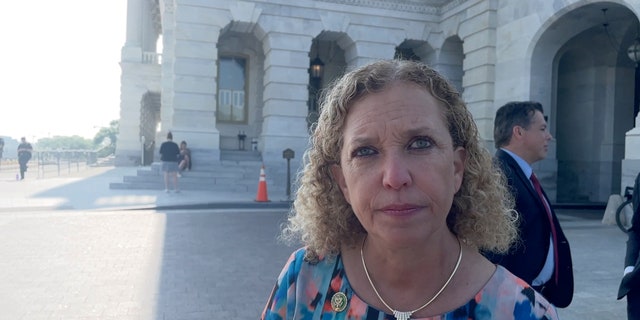
Congress also stresses the importance of listening to AI experts and technologists to inform evidence-based policy decisions. As Representative Debbie Wasserman Schultz noted, understanding AI’s potential risks and benefits is crucial to shaping effective responses.

Lastly, fostering a national commitment similar to historic initiatives like the moon landing project is seen as vital. By mobilizing resources and public will, the US can equip its workforce to meet the challenges of 2030 and beyond, ensuring economic prosperity and social stability in the AI era.

Conclusion

The emergence of artificial intelligence as a transformative technology presents both unprecedented opportunities and significant challenges for the US labor market. Congressional leaders acknowledge the urgency of understanding and addressing AI’s multifaceted impact—from potential job displacement and wage polarization to national security risks. While uncertainty persists regarding the best policy approaches, there is clear bipartisan agreement on the need to invest in education, workforce development, and regulatory frameworks that protect American workers and maintain technological leadership. The path forward demands a coordinated, informed, and proactive response to ensure that the promises of AI are realized without leaving large segments of the workforce behind. As Congress continues to navigate this complex terrain, the decisions made today will shape the economic and social landscape of the nation for decades to come.

Shout Out!!!