
Array
What the breakthrough actually involves
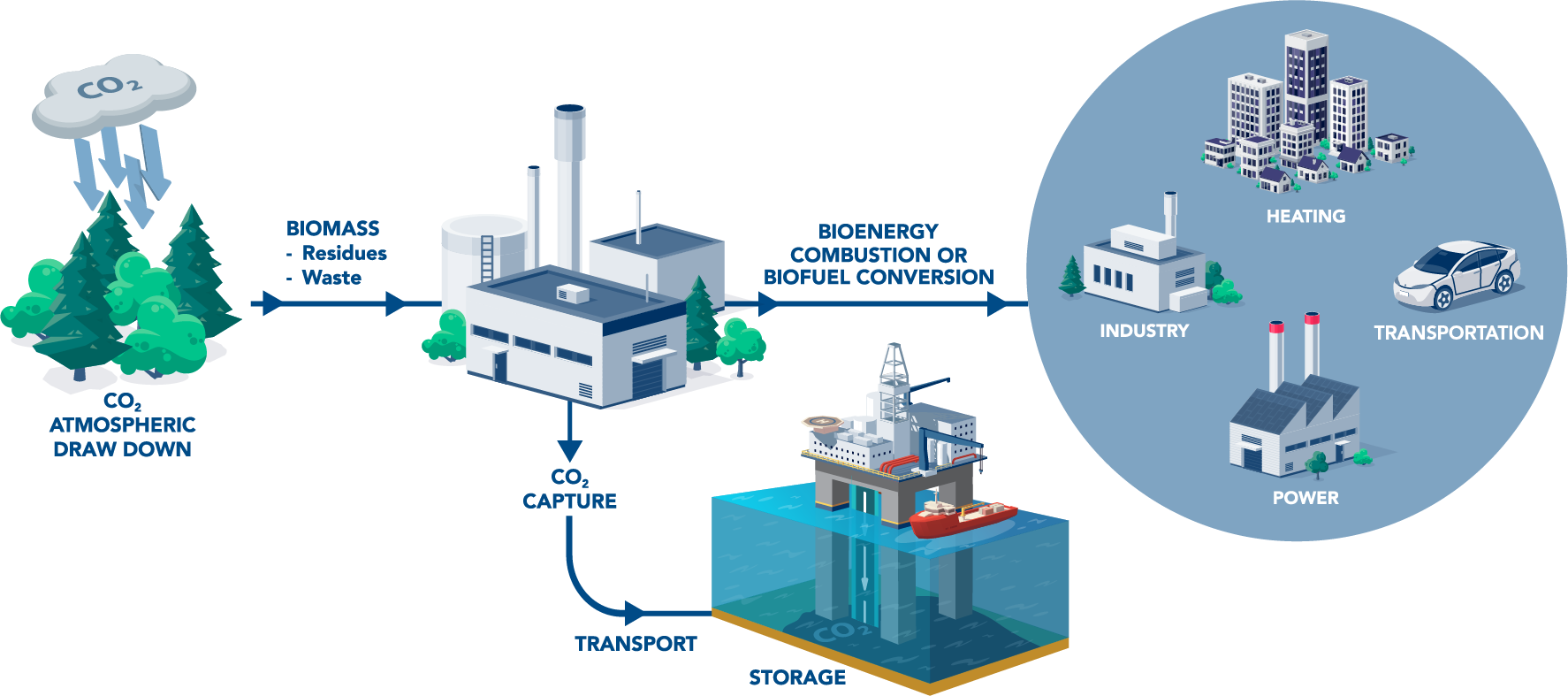
OCO Technology has long converted industrial residues into construction aggregates using ACT, a process that mineralises carbon dioxide into manufactured limestone. At Wretham, the firm has traditionally sourced biogenic CO₂ from regional anaerobic digestion and fermentation facilities. MZT’s bespoke on-site DAC system now adds a second, renewable source of atmospheric carbon dioxide. Captured CO₂ is fed through a direct pipeline into a buffer tank and then integrated into OCO’s existing ACT process, where it reacts with recycled incineration residues.
Unlike many conventional DAC systems that rely on heat-intensive regeneration, MZT’s approach uses electricity to release captured CO₂ from a liquid solvent. This electrochemical regeneration lowers energy intensity, simplifies engineering and makes the system easier to pair with renewable power. MZT is also commercialising the technology through other routes, including sustainable aviation fuel work with the University of Sheffield’s Translational Energy Research Centre and geological sequestration projects with Canadian firm Deep Sky. The OCO route is distinctive because it embeds the captured carbon inside a marketable construction product, turning carbon removal into a material sales opportunity.
The analysis here is straightforward: DAC is beginning to behave less like a standalone science experiment and more like an industrial input. That shift from pilot plant to production line is precisely where consultants, engineers and project managers tend to add the most value.
Where the freelance and consulting opportunities are emerging
The Norfolk project opens several concrete service lines for independent professionals. First, there is demand for sustainability strategy consultants who can help construction and materials firms evaluate carbon-negative supply chains, model lifecycle emissions and prepare credible environmental claims. Second, engineering consultants with process integration experience can support the design, installation and commissioning of modular DAC units at client sites, much as Optimus did.
Third, carbon market specialists can advise on the generation and sale of verified removal credits. Because the Wretham operation produces both aggregates and carbon credits, clients will need help pricing, validating and reporting those credits. Fourth, project managers and consortium facilitators are needed to coordinate multi-party climate-tech collaborations involving technology providers, industrial hosts, researchers and funders.
Finally, there is growing scope for technical communicators and bid writers. Public programmes such as the DESNZ Direct Air Capture and Greenhouse Gas Removal Innovation Programme require clear, evidence-led funding applications. Freelancers who can translate complex carbon-capture engineering into persuasive programme submissions are likely to find repeat work as similar schemes appear in the UK, Europe and beyond.
Consulting best practices drawn from the collaboration
The Wretham project offers a useful template for how independent professionals should embed themselves in complex, multi-stakeholder work. MZT and OCO operated as an integrated consortium over a three-year development period. They held weekly coordination meetings, ran joint HAZOP studies, co-reviewed pipeline integration designs and maintained close on-site coordination. Site access and safety procedures were harmonised, and joint site tours helped demonstrate progress to stakeholders.
For consultants, the practical takeaway is that proximity and transparency matter more than a polished slide deck. If you are advising a climate-tech deployment, treat yourself as part of the delivery team rather than an external commentator. Attend the regular stand-ups, understand the safety culture and be willing to review engineering drawings. Speed of delivery was another hallmark: the modular DAC system relied on established components with international supply chains, enabling a faster move from design to pilot-scale deployment than is typical in heavy industry. Freelancers can mirror that approach by offering repeatable methodologies, standardised templates and phased deliverables rather than bespoke everything-from-scratch engagements.
Client management also benefits from clear, shared documentation. In the OCO-MZT-Optimus arrangement, joint reviews and transparent communication reduced the risk of process misalignment. Consultants should adopt the same discipline: maintain a single source of truth for decisions, assumptions and action items, especially when working remotely.
Skills to build and how to position them
To compete in this space, independent professionals need more than general sustainability awareness. A useful foundation includes electrochemical DAC, carbon mineralisation, ACT processes, renewable energy integration and carbon removal verification standards. You do not need to be a research scientist, but you should be able to hold a credible conversation with one and explain the commercial implications to a client’s board or procurement team.
Equally important are client-management and negotiation capabilities. Many construction and materials businesses will not initially understand why they should pay for carbon-negative inputs or how carbon credits change project economics. A consultant’s job is to translate technical performance into financial language: tonnes of CO₂ removed, credit revenue, supply-chain resilience and future regulatory risk.
Pricing and negotiation should therefore be tied to outcomes where possible. If you are helping a firm secure DESNZ-style funding, consider a fee linked to successful award or milestone delivery. If you are supporting carbon credit strategy, a performance element tied to verified issuance can align incentives. Where hourly billing is unavoidable, make sure your rate reflects the scarcity of the expertise and the downside risk you are helping the client avoid.
Remote work, the global gig economy and Nigerian freelancers
The collaboration itself is geographically distributed. MZT is based in London, OCO’s plant is in Norfolk, Optimus contributed agile engineering input, Deep Sky is Canadian and the University of Sheffield is involved in related sustainable aviation fuel research. This pattern reflects a wider trend in climate-tech delivery: specialist knowledge can be sourced globally and integrated through modular hardware, remote design reviews and digital project-management tools.
For freelancers in Nigeria and other fast-growing gig economies, this means climate-tech consulting is not limited to local markets. Remote roles are opening in areas such as carbon market analysis, technical writing, virtual project coordination, data validation and sustainability communications. Success usually depends on reliable connectivity, clear written English, disciplined contract terms and a payment setup that handles international invoicing. It is also worth joining global professional communities and following funding calls in jurisdictions such as the UK, the EU and North America, because early awareness of programmes like DESNZ creates a natural entry point for advisory work.
The broader lesson is that sustainable construction is becoming a knowledge-intensive, globally connected sector. Independent professionals who combine technical literacy with strong delivery habits can find work on projects that once would have been reserved for large engineering consultancies.
What this means
Array
Prepared with AI assistance.