
In the fast-evolving world of construction technology, uncertainty has long been a formidable challenge. Projects often face delays, cost overruns, and miscommunications due to incomplete designs and fragmented collaboration. However, the advent of virtual design and construction (VDC) models is transforming this landscape. By fostering trust in building models, construction teams can eliminate much of the unpredictability that traditionally plagued job sites. This article dives deep into how putting faith in these digital models enhances clarity, coordination, and confidence across all stakeholders, paving the way for a more efficient and innovative future in construction.
The Role of Virtual Design and Construction (VDC) in Reducing Uncertainty
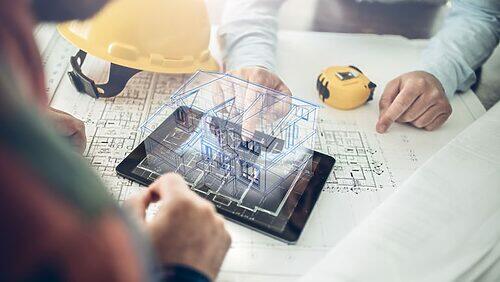
Virtual Design and Construction (VDC) is more than just a technological tool; it is a strategic approach that integrates multi-disciplinary models to simulate real-world construction processes. VDC allows project teams to visualize, analyze, and optimize designs before physical work begins. This proactive insight is crucial in identifying potential clashes, design gaps, or logistical issues that could otherwise cause costly delays.
By investing upfront in detailed and accurate building models, teams can achieve a higher degree of certainty about the project’s outcomes. This reduces the guesswork and reactive problem-solving that traditionally consume time and resources on construction sites. As a result, stakeholders can confidently plan schedules, allocate resources, and manage budgets with greater precision.
Moreover, VDC fosters continuous collaboration among architects, engineers, contractors, and owners. When everyone works from a single, trusted model, communication barriers diminish, misunderstandings are minimized, and decisions are data-driven. This collaborative environment is the foundation for eliminating uncertainty and ensuring that what gets built aligns perfectly with the original design intent.
Building Trust: The Key to Model Integrity and Stakeholder Alignment
Trust in building models is not automatic; it must be cultivated through transparency, accountability, and clear ownership. One of the biggest hurdles in adopting VDC is defining who is responsible for each component of the model and ensuring that it reflects the most accurate and current information. Without this clarity, models risk becoming outdated or unreliable.
Establishing the model as a contractual deliverable with defined roles helps stakeholders understand their responsibilities in maintaining model integrity. For instance, subcontractors who are directly responsible for installation should have input into the model’s constructability details. This inclusion builds confidence that the model accurately represents real-world conditions and constraints.
The general contractor often acts as the coordinator or 'quarterback,' aligning various parties and facilitating communication. By fostering a culture where the model is respected as an authoritative source, teams can reduce conflicts and rework. This trust ultimately leads to smoother execution and higher productivity on the job site.
Leveraging Model Information for Enhanced Field Productivity
One of the most significant advantages of trusting building models is the ability to directly translate digital information into physical execution. When models are accurate and up-to-date, field teams can utilize them for layout, prefabrication, and quality control, reducing reliance on traditional 2D drawings that may be incomplete or outdated.
Technologies like automated layout robots and augmented reality devices can interact with the model to guide on-site labor precisely where installations and assemblies must occur. This integration reduces human error, accelerates workflows, and maximizes labor efficiency.
By confirming model accuracy before construction begins, teams avoid costly mistakes that require rework. This not only saves time and money but also enhances safety by minimizing unexpected site conditions. Ultimately, leveraging trusted models empowers field crews to work smarter, not harder.
Overcoming Barriers to VDC Adoption in Construction
Despite the clear benefits, some barriers still impede the widespread adoption of VDC and model-based workflows. Resistance to change, skepticism about technology, and unclear contract language can create friction between stakeholders. Overcoming these challenges requires education, leadership buy-in, and standardized processes.
Another obstacle is the fragmentation of responsibilities and data ownership. Without clearly defined roles for updating and validating model content, discrepancies can arise, undermining trust. Industry-wide agreements on model governance and contractual recognition of VDC as a deliverable can help address these issues.
Additionally, integrating VDC with existing workflows and legacy systems can be complex. Organizations must invest in training and change management to ensure that teams embrace new tools and methodologies. When these barriers are addressed, the construction industry can unlock the full potential of model-based collaboration.
The Future of Construction: Hybrid Approaches and Technological Integration
The future of construction is poised to be a blend of traditional craftsmanship and advanced technology. While humans will continue to play an essential role, robotics, automation, and digital tools will increasingly augment labor, enhancing safety and productivity.
Current innovations such as prefabrication, modular construction, and automated layout systems are already reshaping project delivery. These approaches rely heavily on accurate building models, highlighting the importance of trust and collaboration in digital workflows.
Moreover, technology is making construction more attractive to a tech-savvy workforce. By integrating robotics and digital tools, the industry can address labor shortages and appeal to younger generations seeking innovative careers. This hybrid future combines the best of human expertise and technological precision.
Investing in Prefabrication and Modular Construction for Efficiency
Prefabrication and modular construction represent significant opportunities to improve quality, reduce waste, and accelerate timelines. These methods depend on precise models to manufacture components off-site with minimal errors.
By trusting the accuracy of building models, contractors can confidently produce modules that fit seamlessly on-site, eliminating the guesswork traditionally associated with field assembly. This shift reduces weather delays, improves safety, and streamlines logistics.
Contractors are increasingly investing in dedicated prefabrication facilities and innovation teams to explore emerging technologies. This strategic focus reinforces the role of trusted building models as the backbone of efficient, modern construction processes.
Creating a Culture of Continuous Innovation and Collaboration
Sustainable adoption of construction technology requires a culture that embraces continuous innovation and open collaboration. Leadership must champion the value of trusted models and incentivize teams to engage with digital workflows.
Regular training, feedback loops, and knowledge sharing help build confidence and expertise across all project participants. When stakeholders see tangible benefits in productivity and reduced uncertainty, they become advocates for technology adoption.
Furthermore, innovation teams play a critical role in scouting emerging tools and integrating them into existing processes. By fostering a mindset that views technology as an enabler rather than a threat, the industry can accelerate its transformation and deliver better outcomes.
Conclusion
The construction industry stands at a pivotal moment where trust in building models is transforming uncertainty into confidence. Embracing Virtual Design and Construction not only streamlines collaboration but also enhances productivity, safety, and project outcomes. By overcoming barriers and investing in innovation, contractors can leverage technology to meet the demands of modern construction. As digital models become trusted sources of truth, the industry will continue evolving toward smarter, safer, and more efficient project delivery, ensuring a resilient future for all stakeholders.