
In an era defined by rapid technological advancement and a pressing need for sustainable resource management, the Circular Supply Chain Coalition (CSCC) emerges as a pioneering effort to address critical mineral shortages in the United States. Launched on May 22 by FedEx, Pyxera Global, and several other industry leaders, the coalition focuses on 'urban mining'—recovering rare earth minerals from discarded consumer electronics. As global demand for these minerals is projected to quadruple by 2040, the CSCC aims to build a resilient, localized supply chain that reduces dependence on foreign suppliers, promotes environmental stewardship, and creates economic opportunities for underserved communities.
The Growing Importance of Rare Earth Minerals in Technology
Rare earth minerals are indispensable components in modern technology, powering everything from smartphones and laptops to electric vehicles and wind turbines. Elements such as lithium, cobalt, nickel, manganese, graphite, aluminum, and copper are critical for manufacturing batteries, semiconductors, and circuits. As the world transitions toward clean energy and digitalization, the demand for these minerals is skyrocketing.
According to industry projections, global demand for critical minerals could increase fourfold by 2040, driven largely by the expansion of electric vehicles and renewable energy infrastructure. This surge presents a significant challenge, as the supply of these minerals is currently constrained and heavily reliant on a few key players in the global market.
The United States imports approximately 80 percent of its critical minerals, with China dominating both mining and processing activities, accounting for up to 90 percent of rare earth element processing worldwide. This dependency raises concerns about supply chain security, geopolitical risks, and long-term sustainability.
Urban Mining: Unlocking the Potential of Discarded Electronics
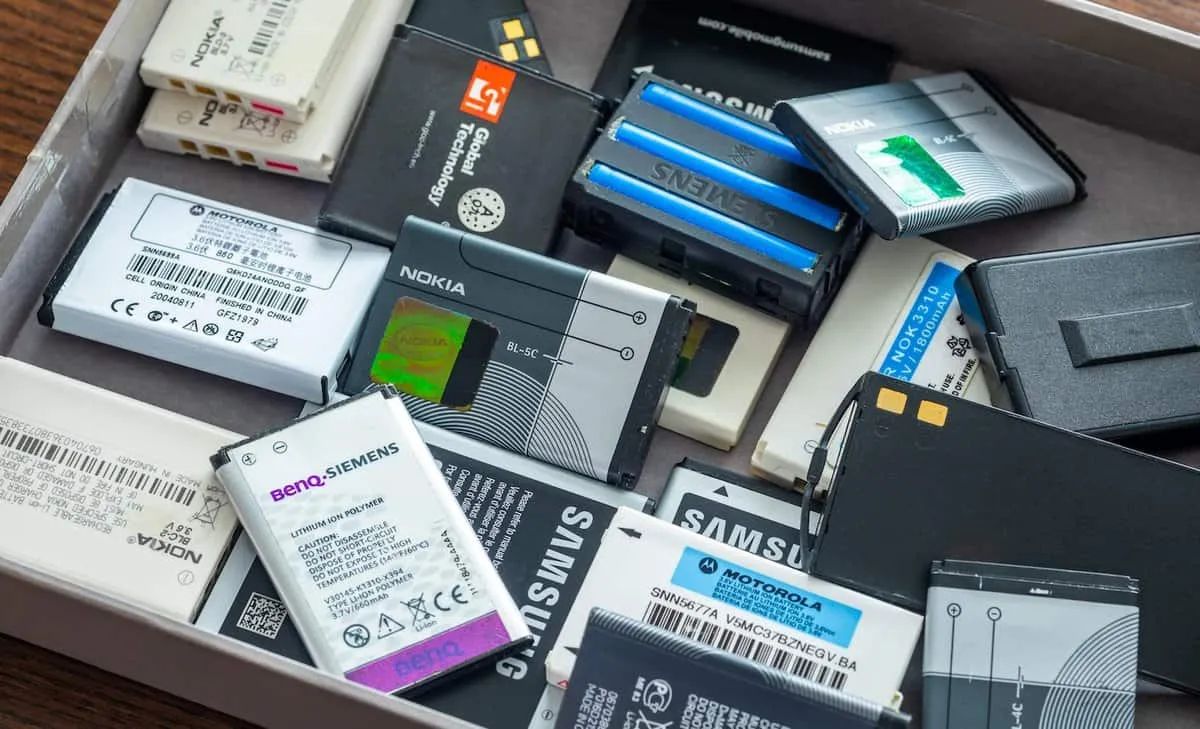
Urban mining refers to the process of extracting valuable minerals from electronic waste, offering a sustainable alternative to traditional mining. With Americans discarding approximately 8 million tons of electronics annually—equivalent to 46 pounds per person—there is a vast, untapped resource embedded in consumer devices.
The Circular Supply Chain Coalition seeks to harness this distributed supply by collecting, refurbishing, and recycling electronics through localized hubs. This approach not only reduces environmental impact but also supports a circular economy where materials are continuously reused rather than wasted.
By focusing on urban mining, the coalition aligns with recommendations from the U.S. Department of Energy and the International Energy Agency, which advocate for increased recovery of critical minerals from end-of-life products to enhance supply resilience and reduce reliance on imported raw materials.
Building Localized Recycling Hubs for Sustainable Impact
Unlike global manufacturing and distribution networks, recycling and upcycling occur most effectively at the local level. The CSCC plans to establish logistics hubs in cities like Phoenix, Atlanta, and Cleveland, creating centers where discarded electronics can be processed and valuable minerals extracted.
These hubs will not only facilitate efficient e-waste management but also generate 'green jobs' in underserved communities, promoting economic inclusion and workforce development. Local entrepreneurs and nonprofits will play a central role in operating these facilities, fostering community engagement and capacity building.
Brandon Tidwell, FedEx’s principal of global citizenship and sustainability, emphasizes that the coalition’s vision involves a network of small businesses and nonprofits working collaboratively, demonstrating that sustainable supply chains can be both economically viable and socially responsible.
Innovative Business Models: Circular Services Agreement
To scale the impact of urban mining, the CSCC is developing innovative financial mechanisms such as the circular services agreement. This forward procurement model connects small-scale e-waste processors with large clean energy manufacturers, ensuring a reliable market for recovered materials.
John Holm, senior vice president of partnership development at Pyxera Global, explains that this model fosters a symbiotic relationship where local businesses can sustainably operate while meeting the material demands of technology companies committed to circularity.
By formalizing these supply chain relationships, the coalition aims to create a replicable framework that transforms critical mineral value chains through prioritizing reuse, remanufacturing, and upcycling, contributing to a more resilient and sustainable industrial ecosystem.
Pilot Program Success in Tennessee: A Blueprint for Expansion
The coalition’s pilot program in Lebanon, Tennessee, serves as a proof of concept for its broader ambitions. Over five months, FedEx, Pyxera Global, and Metabolic of Amsterdam collaborated to collect used laptops and tablets via free FedEx shipping labels, making participation accessible to consumers.
The Electronics Reuse and Recycling Alliance (TERRA) handled collection and data security by wiping hard drives, while Electronics Recycling Solutions (ERS) trained individuals with disabilities to refurbish or recycle devices. Unsalvageable components were sent to the American Battery Technology Company in Nevada for metal recovery.
This pilot demonstrated the feasibility of integrating logistics, community organizations, and advanced recycling technologies, creating a circular supply chain that supports sustainability goals and community empowerment.
FedEx’s Role in Sustainable Logistics and Carbon Neutrality
FedEx’s participation in the CSCC aligns with its broader commitment to achieving carbon neutrality by 2040, including fleet electrification and sustainable operations. While urban mining initiatives do not directly reduce FedEx’s carbon emissions, they contribute to lowering Scope 3 emissions by supporting customers’ sustainability objectives.
Brandon Tidwell highlights the strategic role logistics companies can play in circular supply chains by enabling the reuse and upcycling of materials during transportation and delivery processes. This integration enhances the environmental impact of logistics beyond traditional measures.
Through partnerships and pilot programs, FedEx is exploring innovative ways to embed circular economy principles into its logistics services, demonstrating leadership in sustainability and responsible supply chain management.
Collaborative Efforts: Coalition Partners Driving Change
The Circular Supply Chain Coalition is a multi-stakeholder initiative, involving organizations such as Metabolic, the Sustain Our Future Foundation, and community enterprises alongside FedEx and Pyxera Global. This diverse partnership ensures a holistic approach to addressing critical mineral supply challenges.
Each partner contributes unique expertise—from logistics and sustainability strategy to recycling technology and community engagement—creating a robust ecosystem capable of scaling urban mining solutions nationwide.
By fostering collaboration across sectors, the coalition exemplifies how collective action can accelerate innovation, promote circularity, and build resilient supply chains that benefit both the environment and society.
Conclusion
The launch of the Circular Supply Chain Coalition marks a significant step forward in addressing the critical mineral supply challenges facing the United States. By championing urban mining and fostering local recycling hubs, FedEx, Pyxera Global, and their partners are pioneering a circular economy approach that not only reduces environmental impact but also strengthens supply chain resilience. This initiative creates valuable economic opportunities for communities while supporting the global transition to clean energy and advanced technology. As the coalition expands, it offers a scalable, sustainable blueprint for how industries can collaboratively upcycle rare earth minerals and build a more secure, responsible future.