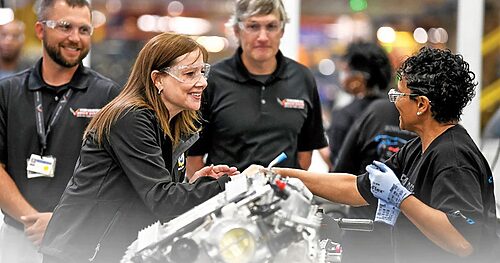

In a bold move to reshape its workforce and promote inclusivity, General Motors (GM) has announced the removal of the four-year college degree requirement for numerous job roles. This strategic shift reflects the company’s commitment to embracing a skills-based hiring model that values the capabilities and interpersonal qualities of candidates over formal academic qualifications. Spearheaded by Tammy Golden, GM’s executive director of diversity, equity, and inclusion (DE&I) and workforce strategy, this initiative is designed to tap into a broader talent pool, including underrepresented groups, and foster a more equitable workplace culture. This article delves into the details of GM’s transformative hiring strategy, its pillars, and the broader implications for the automotive industry and workforce diversity.
The Shift from Degree-Centric to Skills-Based Hiring
General Motors’ decision to drop the four-year degree requirement marks a significant departure from traditional hiring practices prevalent across many industries. By focusing on skills relevant to the job, GM aims to remove barriers that may exclude qualified candidates who lack formal degrees but possess valuable experience and competencies. This approach acknowledges that practical skills and interpersonal abilities often outweigh the mere possession of a diploma when it comes to job performance.
Tammy Golden, GM’s executive director of DE&I and workforce strategy, emphasized the importance of candidates’ ability to connect with others. She explained that prioritizing job-required skills over educational credentials opens the door to a wider and more diverse talent pool. This shift allows the company to identify candidates who bring unique perspectives and capabilities, ultimately enhancing team performance and innovation.
The move also aligns with evolving industry trends where many leading organizations are re-evaluating credential requirements to better reflect real-world skills and competencies. GM’s transition underscores a broader recognition that traditional educational pathways are not the sole indicators of potential or success in the workplace.
Driving Diversity, Equity, and Inclusion Through Hiring
GM’s skills-based hiring model is a critical component of its broader mission to become the most inclusive company in the automotive sector. The company defines underrepresented groups as women, Black, Indigenous, and People of Color (BIPOC), and has made significant strides in increasing representation within its workforce leadership. Nearly half of the approximately 500 group leaders hired in recent months belong to these underrepresented categories.
The company’s DE&I initiatives are integrated deeply into its hiring and workforce strategies. GM’s efforts not only focus on recruitment but also on creating an inclusive environment where diverse employees can thrive. This comprehensive approach ensures that hiring policies translate into meaningful cultural change across the organization.
By removing the four-year degree requirement, GM is directly addressing systemic barriers that have historically excluded marginalized communities from certain job opportunities. This inclusive hiring practice is designed to promote equity by valuing diverse experiences and skills, thereby fostering a workforce that better reflects the communities GM serves.
GM’s Three Pillars of Workforce Strategy
Tammy Golden outlined GM’s workforce strategy, which is built on three foundational pillars. The first pillar is DE&I consulting integration, aimed at cultivating inclusive leadership throughout the company. This ensures that leaders at every level understand and embrace diversity principles, which is essential for sustaining an inclusive culture.
The second pillar, workforce innovation, focuses on analyzing and improving employee experiences by identifying and eliminating biases that may affect hiring and career advancement. This pillar drives continuous improvement in processes to support fair and equitable treatment of all employees.
The third pillar, workforce manufacture, is centered on creating pathways into GM beyond traditional four-year degrees. Skills-based hiring initiatives fall under this pillar, emphasizing the importance of practical experience and competencies. Together, these pillars form a robust framework for attracting, developing, and retaining a diverse talent pool aligned with GM’s inclusive vision.
The Role of Tammy Golden in Transforming GM’s Workforce
Tammy Golden, who leads GM’s DE&I and workforce strategy efforts, brings over three decades of experience within the company. Her background spans human resources and manufacturing leadership roles, including plant director positions at Flint Engine Operations and Warren Transmission. This diverse experience informs her holistic approach to workforce transformation.
Golden’s focus on the human element of leadership has been instrumental in shifting GM’s hiring practices. She highlights that successful leaders often excel not because of their educational background but due to their ability to connect with people and foster collaboration. This philosophy underpins GM’s new hiring model that prioritizes people skills.
One notable example Golden shares involves a high-performing group leader with a degree in physical education rather than a manufacturing-related field. His success was attributed to his exceptional interpersonal skills and leadership qualities, underscoring GM’s commitment to valuing diverse educational and experiential backgrounds.
Community Engagement and Scholarship Initiatives
GM’s commitment to workforce diversity extends beyond its internal hiring policies into community engagement and educational support. The company recently launched a high-tech transition pathway scholarship in partnership with Udacity, targeting residents in Detroit and Pontiac, Michigan. This initiative supports women and people of color pursuing technology-related careers.
The scholarship program is designed to provide accessible training and certification opportunities for individuals without four-year degrees, including high school graduates and those with two-year college credentials. By equipping local talent with in-demand skills, GM aims to build a pipeline of qualified candidates ready for technology roles within the company and the broader industry.
This community-focused approach not only helps close equity gaps but also strengthens GM’s ties to the regions where it operates. It reflects a strategic investment in workforce development that supports economic inclusion and long-term sustainability.
Implications for the Automotive Industry and Beyond
GM’s departure from degree-centric hiring has significant implications for the automotive industry and other sectors grappling with talent shortages and diversity challenges. By demonstrating that skills and interpersonal abilities can substitute traditional educational requirements, GM sets a precedent that may inspire other companies to rethink their recruitment criteria.
This shift can help address systemic inequities by recognizing the value of non-traditional educational paths and lived experiences. It also aligns with the evolving nature of work, where continuous learning and adaptability are increasingly prized over formal credentials.
Moreover, GM’s approach highlights the importance of inclusive leadership and culture in successfully implementing such transformative hiring practices. Companies that adopt similar models will need to invest in leadership development and bias mitigation to fully realize the benefits of skills-based hiring.
Challenges and Considerations in Skills-Based Hiring
While skills-based hiring offers numerous benefits, it also presents challenges that organizations must navigate. One key consideration is accurately assessing candidates’ skills and potential without relying on traditional academic markers. This requires developing robust evaluation tools and interview techniques tailored to specific job requirements.
Another challenge is ensuring that hiring managers and teams are adequately trained to recognize and value diverse experiences. Overcoming unconscious biases and shifting entrenched mindsets can be a complex process that requires ongoing commitment and education.
Additionally, organizations must balance the need for skills with other factors such as cultural fit and career growth potential. GM’s experience suggests that integrating DE&I principles and leadership development is critical to addressing these challenges and fostering a successful transition.
Looking Ahead: GM’s Vision for an Inclusive Future
GM CEO Mary Barra has articulated a bold vision for the company to become the most inclusive automaker globally. The removal of the four-year degree requirement is a tangible step toward realizing this vision by making the company more accessible and welcoming to diverse talent.
As GM continues to refine and expand its skills-based hiring model, the company plans to integrate DE&I practices more deeply into its recruitment and workforce development processes. This will likely involve leveraging data-driven insights, enhancing leadership accountability, and expanding community partnerships.
Ultimately, GM’s approach represents a forward-thinking strategy that aligns workforce development with social equity and business innovation. By prioritizing skills and inclusivity, GM is positioning itself to thrive in an increasingly competitive and diverse global marketplace.
Conclusion
General Motors’ decision to remove the four-year degree requirement for diverse job roles marks a transformative step in workforce development and inclusion. By embracing a skills-based hiring model, GM not only expands opportunities for underrepresented groups but also fosters a more dynamic and innovative workplace culture. This strategic shift, supported by comprehensive DE&I initiatives and community engagement programs, positions GM as a leader in inclusive employment practices within the automotive industry. As the company continues to refine this approach, it sets a powerful example for other organizations aiming to balance talent acquisition with equity and social responsibility. Ultimately, GM’s vision of an inclusive future underscores the critical role that skills, leadership, and diversity play in driving sustainable business success.