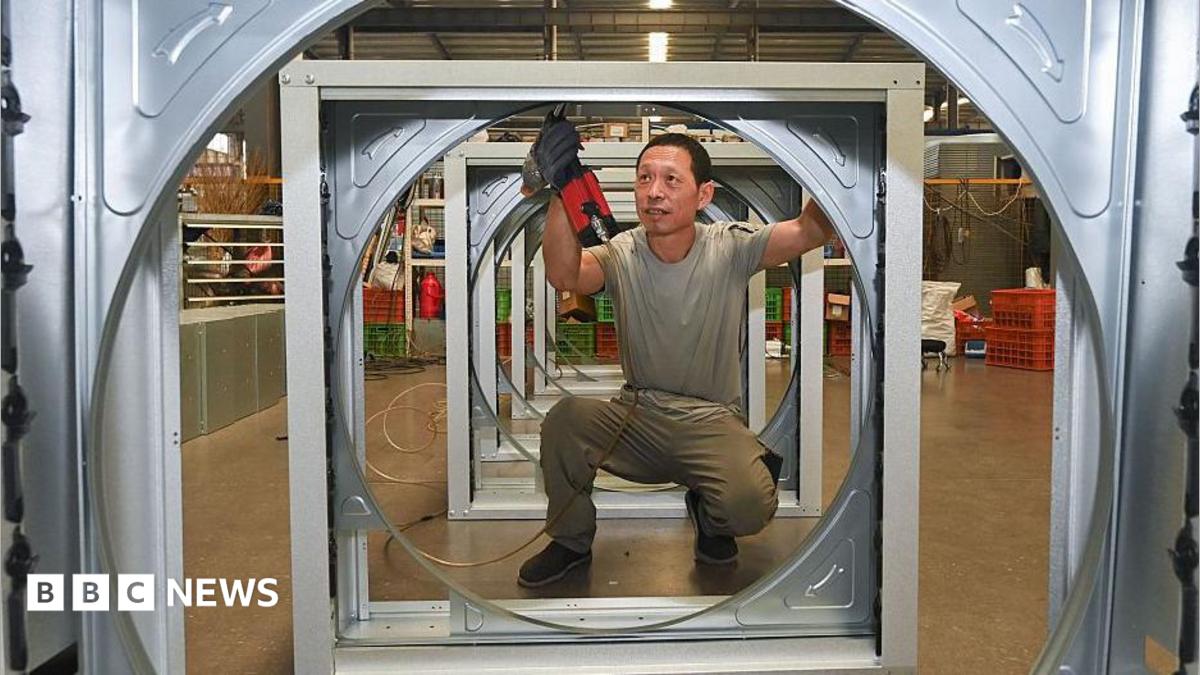
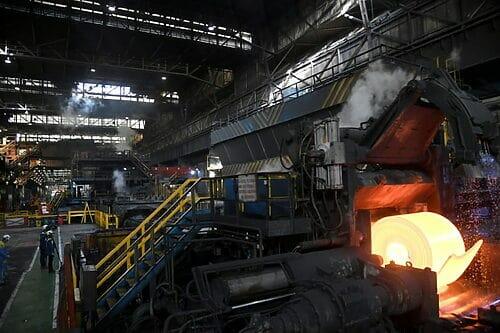

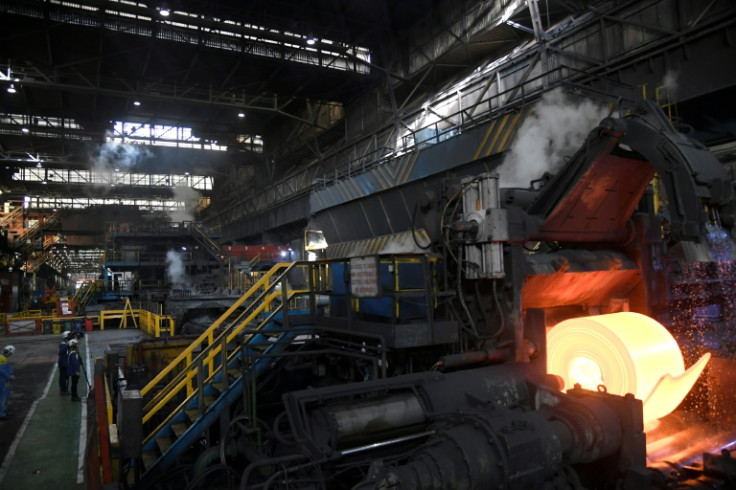
The UK government helped a steel company in times of need during the pandemic which resulted in saving 1,800 jobs in the country and now the company has fully repaid the loan, securing payments for the taxpayers.
The steel company in question Celsa Steel is the largest manufacturer of long steel products in the UK. They have a steel plant in Cardiff that makes 1.2 million tonnes of steel every year. During the COVID-19 pandemic, Celsa secured a £30 million COVID emergency loan for their facility in Cardiff which saved 1,500 pre-existing jobs directly and created 300 jobs indirectly.
Now, the company has fully repaid the loan along with an additional payment for the taxpayer
The loan made them bounce back
On June 26, the UK Trade Secretary, Kemi Badenoch confirmed revealing that a loan provided by the government to Cardiff-based Celsa Steel which created 1,800 jobs in the steel industry has been fully paid with a significant additional payment for taxpayers.
The emergency £30 million loan to Celsa Steel was given to help the company to continue with their trading activities, preventing the company from shutting down during the pandemic. This saved the loss of 1,500 UK jobs which the company generated. In these three years, the company created 300 more jobs. So, 1,800 UK jobs were saved with loan money.
Not just that, Celsa Steel recorded a good economic performance in this time which made them repay the full loan amount along with the additional payments.
The government protecting the taxpayers’ money
The additional payments for taxpayers are part of the UK government’s plan to protect the taxpayers’ money. The UK Trade Secretary Kemi Badenoch underlined the importance of this protective measure when she said this swift action not just helped in securing 1800 jobs but gave the taxpayers a boost.
This move shows the UK government’s sensible and effective approach in handling such issues which ensured the future of the steel industry and helped the UK economy to grow, said Badenoch.
What did the loan terms say?
According to the loan terms set by the UK government for Celsa Steel, the company is legally bound to uphold commitments like fulfilling net zero and climate change targets along with saving jobs. The government made it clear that the loan not just helped the company to maintain its workforce and activity but it will also help the country to achieve its economic targets.
What does this mean for the steel industry?
The Secretary of State for Wales David TC Davies hailed this action by the UK government highlighting the importance of such skilled labour in the steel industry. He drew attention to the history of steel making and ensured that they will continue to work for the success of this industry.
Celsa UK CEO Carles Rovira expressed their gratitude to the UK government for helping them at the height of the COVID crisis in 2020. The company also thanked the government for acknowledging its critical role in the UK steel industry through this action.
The CEO explained how the loan helped in ensuring the supply of materials for their construction projects.
The company ascertained their commitment towards lowering its carbon footprint and contributions towards a circular economy. The CEO expressed satisfaction in repaying the loan fully and ensured sustainable construction activity.
A level playing ground for the steel industry
The UK government has taken extensive measures to help the steel industry of the country through programs like the recently announced British Industry Supercharger. in February 2023. The government revealed in February this year that 300 businesses in the country would bring in line with the major economies of the world by providing them with energy costs. This is supposed to help 400,000 jobs in steel, chemical and other such energy industries.
The steel industry is also eligible to bid for various government funds to reduce its carbon footprint. The government ascertained this in the Steel Procurement Policy Note, stating that this will create a level playing field for the industry.
Furthermore, certain changes made in the trade framework will protect the interests of the industry and relieve the constraints of market access in the EU and the US for steel traders.
© Copyright IBTimes 2023. All rights reserved.