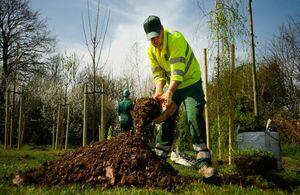

England is set to witness a significant boost in its woodland conservation and forestry sectors following the announcement of £6 million in funding allocated to a variety of innovative woodland projects. Supported by the Trees Call to Action Fund, this investment aims to create jobs, provide vital training for forestry professionals, and expand access to green spaces. With climate change and biodiversity loss posing urgent challenges, these projects represent a strategic step towards sustainable woodland management and environmental resilience. This article explores the scope, objectives, and expected impacts of these funded initiatives, highlighting their role in shaping England’s natural landscape and forestry workforce for the future.
Overview of the Trees Call to Action Fund and Its Objectives
The Trees Call to Action Fund is a government-backed initiative designed to support woodland projects that contribute to climate change mitigation, biodiversity enhancement, and community wellbeing. Administered by the National Lottery Heritage Fund in partnership with Defra and the Forestry Commission, the fund allocates grants ranging from £250,000 to £500,000 to projects demonstrating strong potential for environmental and social impact.
The fund’s primary objectives include fostering large-scale woodland creation, enhancing forestry sector skills through training and apprenticeships, and improving public access to natural green spaces. By investing in these areas, the Trees Call to Action Fund supports the government’s broader strategy to reach net zero carbon emissions by 2050 and to tackle the dual crises of climate change and biodiversity loss.
A key feature of the fund is its emphasis on collaboration and partnership-building across sectors, encouraging projects that integrate environmental stewardship with community engagement and economic development. This holistic approach ensures that woodland initiatives deliver multifaceted benefits, from ecological restoration to job creation and mental health improvements.
Funding Allocation and Project Diversity Across England
Twelve projects across England have been awarded funding through the Trees Call to Action Fund, reflecting a diverse range of objectives and geographic coverage. These include six new Woodland Adventure Partnerships aimed at facilitating woodland creation in both rural and urban settings, thereby enhancing green spaces accessible to a wider population.
Two projects focus specifically on developing and upskilling the forestry workforce. One notable initiative plans to provide 450 training placements, equipping individuals with the specialist skills required to manage veteran and ancient trees. These training opportunities are crucial for fostering a new generation of forestry professionals capable of sustaining England’s woodlands.
Additionally, three projects emphasize community involvement and access to woodlands. Among them is the NHS Woodland project, which integrates health and wellbeing benefits with biodiversity goals by enhancing green spaces around healthcare sites. This demonstrates a growing recognition of the therapeutic and ecological value of woodlands in everyday environments.
Creating a 60-Mile Woodland Corridor to Support Wildlife
One of the flagship projects funded under the scheme involves the creation of a 60-mile wooded corridor connecting the Wye Valley, Forest of Dean, and Wyre Forest. This extensive green corridor aims to improve habitat connectivity, offering a vital safe passage for wildlife such as the pine marten, a species whose population has been historically threatened by habitat fragmentation.
By linking these significant woodland areas, the project seeks to enhance biodiversity, support species migration, and strengthen ecosystem resilience against climate impacts. The corridor will also provide increased opportunities for public access and nature-based recreation, fostering greater community engagement with natural landscapes.
This initiative exemplifies landscape-scale conservation efforts that are increasingly recognized as essential for tackling biodiversity loss. It highlights how strategic woodland creation can benefit both wildlife and people by restoring ecological networks and promoting sustainable land management.
Training the Next Generation of Forestry Leaders
The Institute of Chartered Foresters is leading a project to develop an in-depth training program designed to prepare the next generation of forestry leaders. This program includes specialized courses that focus on the skills and knowledge necessary to manage woodlands sustainably and adaptively in the face of environmental change.
This initiative addresses a critical need within the forestry sector: ensuring that professionals are equipped not only with traditional forestry techniques but also with competencies related to climate adaptation, biodiversity enhancement, and community engagement. Such comprehensive training supports the long-term sustainability of England’s forests.
By investing in human capital, the program aims to build a skilled workforce capable of advancing woodland creation and management objectives, thus contributing to the broader goals of climate resilience and environmental stewardship.
Enhancing Community Engagement and Access to Woodlands
Several funded projects prioritize increasing public access to woodlands and fostering deeper community engagement. These initiatives recognize that connecting people with nature can have significant benefits for mental health, social cohesion, and environmental awareness.
One example is the NHS Woodland project, which works with healthcare sites to integrate green spaces that promote wellbeing while supporting biodiversity. This approach underscores the multifunctional value of woodlands, extending beyond ecological benefits to include important health outcomes.
Other community-focused projects aim to involve local residents in woodland creation and management activities, empowering them to take active roles in environmental stewardship. Such participatory models help build lasting relationships between communities and their natural surroundings.
Government and Stakeholder Perspectives on Woodland Investment
Forestry Minister Lord Goldsmith emphasized the critical role of woodland creation in achieving net zero emissions by 2050 and maintaining a healthy natural environment. He highlighted that the funded projects will support large-scale woodland expansion, develop the forestry workforce, and bring people closer to nature.
Sir William Worsley, Chair of the Forestry Commission, underscored the fund’s importance in addressing the twin crises of climate change and biodiversity loss. He praised the projects for their potential to create green jobs and make woodlands more accessible to the public, contributing to environmental and economic resilience.
Eilish McGuinness, Chief Executive of the Heritage Fund, noted the projects’ commitment to mitigating climate impacts through strong partnerships and skills development. She also pointed to the health and wellbeing benefits that increased tree cover and natural landscapes can provide to communities across England.
Future Outlook: Building a Resilient and Sustainable Woodland Landscape
The funding from the Trees Call to Action Fund marks a significant step forward in England’s efforts to expand and sustainably manage its woodlands. By supporting a range of projects that combine ecological restoration, workforce development, and community engagement, the initiative lays a foundation for a resilient and thriving natural environment.
As these projects progress, they are expected to contribute to national tree planting targets and help establish a robust forestry sector capable of meeting future environmental challenges. The emphasis on training and skills development ensures that the sector will have the expertise necessary to maintain and enhance woodland ecosystems over the long term.
Ultimately, these efforts align with broader government strategies to combat climate change, protect biodiversity, and improve public health through greater access to nature. The continued collaboration between government bodies, charitable organizations, and local communities will be essential to sustaining momentum and achieving lasting impact.
Conclusion
The recent allocation of £6 million from the Trees Call to Action Fund represents a pivotal investment in England’s woodlands, forestry workforce, and community access to green spaces. By supporting a broad spectrum of projects—from large-scale woodland corridors to specialized training and health-focused green space initiatives—this funding addresses urgent environmental challenges while fostering economic and social benefits. As these projects unfold, they will not only enhance biodiversity and climate resilience but also nurture a skilled forestry sector and strengthen the public’s connection to nature. This integrated approach is vital for building a sustainable and thriving woodland landscape that will serve England for generations to come.
Originally reported by corneey.com. Adapted for our readers.