
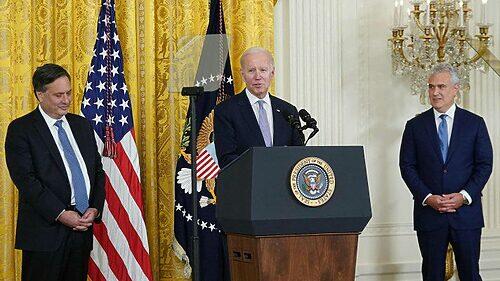

President Biden's Cabinet demonstrated unusually low turnover in its first two years, with only two departures: Ron Klain and Marty Walsh. This stability contrasts sharply with predecessors like Donald Trump, who lost eight Cabinet-level officials in his second year alone. For freelancers and consultants in Nigeria and globally, this political example reveals that professional longevity stems not from avoiding change, but from sustainable practices—consistent frameworks, skill development, and thoughtful client relationships—rather than constant upheaval or chasing every fleeting opportunity.
Foundations of Sustainable Freelance Practice
Successful freelancers approach their work like well-run organisations, establishing clear boundaries, predictable workflows, and sustainable rhythms to prevent burnout while maintaining productivity. This begins with defining core offerings—identifying specific problems solved exceptionally well for particular client types. Specialists command higher rates and attract better clients by delivering predictable value, unlike generalists who chase every opportunity.
In Nigeria's growing freelance market, where platforms like Upwork and Fiverr connect local talent with global clients, specialisation is crucial. Whether a software developer in Lagos focusing on fintech for African banks, a content creator in Abuja specialising in educational material for edtech companies, or a marketing consultant in Port Harcourt serving agricultural businesses, a niche becomes an anchor in a sea of options. This focus deepens expertise, refines processes, and builds reputation—essential for long-term viability.
Stable administrative practices require proper infrastructure. For freelancers, this means setting up reliable systems for invoicing, tax tracking, client communication, and project management before crises hit. Many Nigerian freelancers lose time recreating basic processes with each new client. Implementing simple tools—even free ones like Google Workspace for document management or Wave for invoicing—creates a foundation that supports growth rather than hindering it.
Skill Building as Continuous Investment
Just as effective administrations invest in their team's capabilities, successful freelancers treat skill development as a non-negotiable investment, not an optional extra. The gig economy rewards those who evolve with market demands while maintaining core competencies. For Nigerian consultants competing globally, this means regularly assessing which skills command premium rates in their specialty and deliberately developing those abilities.
Technical skills remain important, but increasingly, hybrid capabilities create the most value: a graphic designer who understands basic marketing principles, a developer who communicates effectively with non-technical stakeholders, or a writer who grasps SEO fundamentals alongside storytelling. These combinations increase resilience to market shifts and make freelancers more valuable to clients seeking comprehensive solutions.
Fortunately, high-quality learning resources are more accessible than ever. Platforms like Coursera, edX, and YouTube offer specialised courses relevant to freelance work. Many Nigerian professionals benefit from programmes designed for African markets, such as those offered by the African Management Institute or local tech hubs. The key is consistency—dedicating even five hours monthly to targeted learning compounds significantly over time, keeping offerings fresh and competitive.
Client Management: Relationships Over Transactions
Stable administrations succeed partly through cultivating enduring relationships rather than treating each interaction as transactional. The same principle transforms freelance careers. Clients who return for multiple projects provide steady income, reduced acquisition costs, deeper understanding of working style, and valuable referrals. In Nigeria's relationship-oriented business culture, this approach aligns naturally with local expectations while building global credibility.
Effective client management begins with clear communication from the outset. Setting realistic expectations about timelines, deliverables, and communication preferences prevents misunderstandings that damage trust. Many freelancers fear appearing inflexible when establishing boundaries, but clients actually respect professionals who communicate their processes clearly. This includes defining revision policies, feedback timelines, and scope boundaries—all of which protect both parties.
Regular check-ins during projects, even brief ones, demonstrate engagement and allow course corrections before small issues become major problems. Following project completion, thoughtful follow-up—perhaps sharing relevant industry insights or simply checking in after a few months—keeps freelancers top-of-mind without being pushy. These practices transform one-off gigs into the foundation of a sustainable practice.
Pricing Strategies That Reflect Value
Just as government positions reflect the value of their responsibilities through appropriate compensation, freelancers must price services to reflect the genuine value they deliver—not merely the hours worked. Underpricing is a common pitfall, particularly among newcomers or those from regions with lower average incomes, but it ultimately undermines sustainability and can signal low quality to discerning clients.
Value-based pricing considers what a solution saves or earns for the client. A consultant who helps a Nigerian e-commerce business increase conversion rates by 15% delivers value far exceeding their hourly rate. Similarly, a developer who builds a system saving a company 20 hours weekly creates ongoing worth that justifies premium compensation. Moving from hourly to project-based or retainer models often better captures this value while providing income stability.
Research is essential for appropriate pricing. Global platforms provide benchmark data, but remember that your unique combination of skills, experience, and understanding of specific markets (particularly Nigerian and African contexts) may justify rates above averages. Be prepared to articulate your value clearly—clients pay for outcomes, not time. Regularly reassessing rates as expertise grows ensures compensation evolves with capabilities.
Navigating the Gig Economy's Realities
The gig economy offers unprecedented freedom but also genuine challenges that require proactive management. Income variability, lack of traditional benefits, and isolation are real concerns for freelancers worldwide, including in Nigeria. Addressing these isn't about eliminating uncertainty—which is inherent to independent work—but building resilience against its impacts.
Financial buffers provide essential stability. Aim to save enough to cover 3-6 months of essential expenses, creating breathing room during lean periods or when pursuing better opportunities. Many Nigerian freelancers find success with the 'pay yourself first' approach, treating savings as a non-negotiable expense rather than what's left over. Diversifying income streams—perhaps combining client work with digital products, teaching, or affiliate income—also reduces dependence on any single source.
Professional isolation affects mental health and can limit opportunities. Combat this by deliberately connecting with peers through online communities, local co-working spaces (growing in cities like Lagos, Abuja, and Port Harcourt), or virtual mastermind groups. These connections provide not just emotional support but also collaboration opportunities, referrals, and shared learning—benefits that stable administrations enjoy through their built-in networks.
What this means
The stability observed in Biden's early administration wasn't accidental—it resulted from deliberate practices that sustained effectiveness over time. Similarly, thriving freelance and consulting careers aren't built on constant hustle or chasing every opportunity, but on establishing reliable systems, nurturing relationships, and continuously developing capabilities. For Nigerian professionals navigating both local and global markets, this approach offers a path to careers that are not just financially viable but genuinely fulfilling and resilient. By focusing on sustainable practices rather than short-term gains, freelancers can create work that provides both economic security and professional satisfaction—proving that in the gig economy, as in governance, steady hands often build the most lasting legacies.
Originally reported by destyy.com. Adapted for our readers with AI assistance.


