
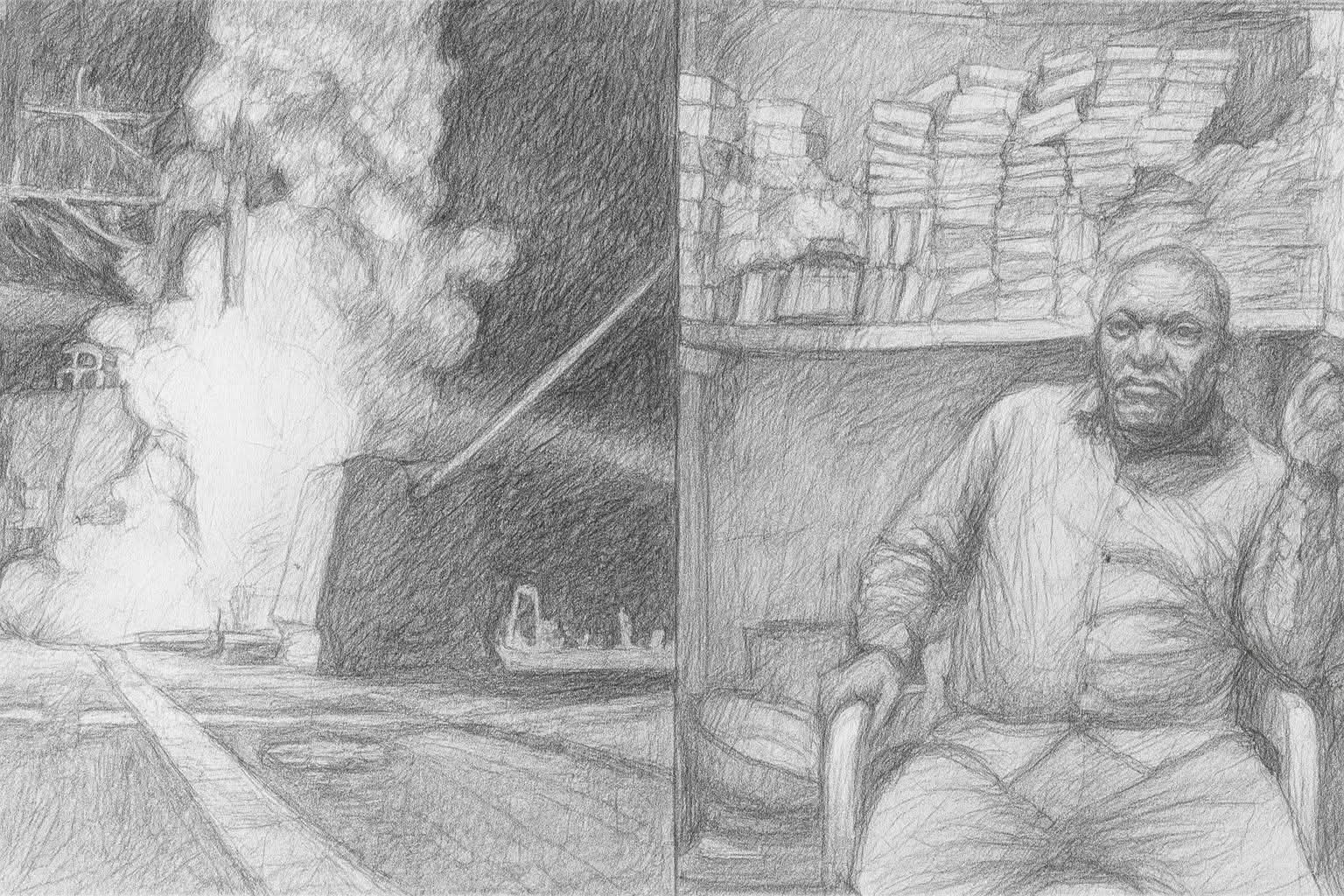

The recent controversy surrounding a New York Times report on an Onitsha trader reveals more than just a media debate—it exposes a growing challenge for Nigerian professionals working in the digital space. As freelancers, consultants, and content creators, we operate at the intersection of information, opinion, and influence. When coordinated online campaigns target individuals for expressing nuanced views, it underscores the urgent need for freelancers to equip themselves with skills that go beyond technical expertise. This article explores how Nigerian freelancers can navigate toxic narrative environments, maintain professional integrity, and build sustainable careers by focusing on fact-based communication, emotional resilience, and strategic client engagement in an increasingly polarised information landscape.
Understanding the Dynamics of Digital Outrage
The reaction to the NYT Onitsha trader report followed a predictable pattern: emotion trumped evidence, identity overshadowed analysis, and coordinated digital mobs sought to silence dissent rather than engage with substance. For freelancers who rely on online platforms for visibility and client acquisition, this environment presents both risks and opportunities. Understanding that outrage is often organised—not spontaneous—helps professionals anticipate backlash and prepare constructive responses. Rather than withdrawing from public discourse, freelancers can position themselves as trusted voices who prioritise clarity over controversy, attracting clients who value thoughtful, balanced perspectives in chaotic times.
Building Professional Resilience Against Online Harassment
Freelancers often bear the brunt of online abuse when their work touches on sensitive topics. Developing psychological resilience is as crucial as honing technical skills. This includes setting boundaries on social media engagement, avoiding prolonged exchanges with bad-faith actors, and knowing when to disengage. Practical steps involve curating your online presence to highlight professional achievements, using platform tools to filter harmful content, and maintaining a support network of peers who understand the unique pressures of digital work in Nigeria. Remember: your value is not determined by the volume of abuse you withstand, but by the quality of work you deliver to paying clients.
Fact-Checking as a Freelance Superpower
The controversy around Intersociety’s claims—and the BBC’s subsequent investigation—highlights why verification matters. Freelancers who make fact-checking a core part of their service offering stand out in a market flooded with opinion and speculation. Whether you’re a writer, researcher, consultant, or content creator, investing time in source validation builds long-term credibility. Use multiple independent sources, cross-reference data from organisations like ACLED or reputable fact-checking hubs, and transparently acknowledge uncertainties. Clients increasingly seek professionals who can navigate misinformation—not amplify it—and are willing to pay a premium for rigor and reliability.
Ethical Client Management in Polarised Times
When clients request work that risks contributing to harmful narratives—such as content that generalises violence along ethnic or religious lines—freelancers face ethical dilemmas. The best approach is proactive communication: clarify your professional standards early, offer alternative framings that emphasise complexity and shared humanity, and be prepared to decline projects that violate your integrity. This doesn’t mean losing income; it means attracting clients who respect your principles. Over time, a reputation for ethical consistency becomes a competitive advantage, leading to referrals and repeat business from organisations that value responsible communication.
Pricing Your Expertise in the Attention Economy
In a digital landscape where sensationalism often gains quick traction, freelancers must resist the pressure to compete on outrage rather than value. Your pricing should reflect the depth of your research, the care in your analysis, and the durability of your insights—not the potential for virality. Consider value-based pricing models that account for the long-term impact of your work, such as informing business decisions, shaping policy understanding, or supporting client reputation management. Educate clients about why a well-researched, balanced piece may take longer—and cost more—but delivers sustainable results compared to reactive, polarising content.
Leveraging Remote Work Trends for Global Opportunities
The rise of remote work has opened doors for Nigerian freelancers to collaborate with international clients who need local context and cultural fluency. Platforms connecting talent across borders reward professionals who can explain Nigeria’s complexities without reducing them to simplistic narratives. To succeed globally, highlight your ability to provide nuanced perspectives—whether you’re writing market reports, developing training materials, or advising on entry strategies. Emphasise your understanding of both local realities and global expectations, positioning yourself as a bridge rather than a broadcaster of extremist views.
Continuous Skill-Building for Long-Term Relevance
The tools of narrative warfare evolve rapidly, but so do the defences. Freelancers should invest in ongoing learning—whether through online courses in media literacy, data verification, conflict-sensitive communication, or digital security. Skills like identifying coordinated inauthentic behaviour, understanding algorithmic amplification, and crafting resilient messaging are becoming essential across freelance disciplines. Many of these competencies are accessible through free or low-cost resources, and mastering them not only protects you professionally but also enhances your service offering to clients seeking socially conscious partners.
What this means
The challenges highlighted by the NYT Onitsha trader controversy are not temporary aberrations—they reflect a deeper shift in how information flows and conflicts are waged in the digital age. For Nigerian freelancers and consultants, this environment demands more than technical talent; it calls for intellectual courage, ethical clarity, and a commitment to truth-seeking. By grounding your work in verified facts, managing client relationships with integrity, and continuously upgrading your skills, you can build a career that not only withstands the storms of misinformation but also helps steer public discourse toward greater understanding. In doing so, you protect your livelihood while contributing to a more informed, resilient Nigeria—one thoughtful contribution at a time.
Originally reported by prnigeria.com. Adapted for our readers with AI assistance.


