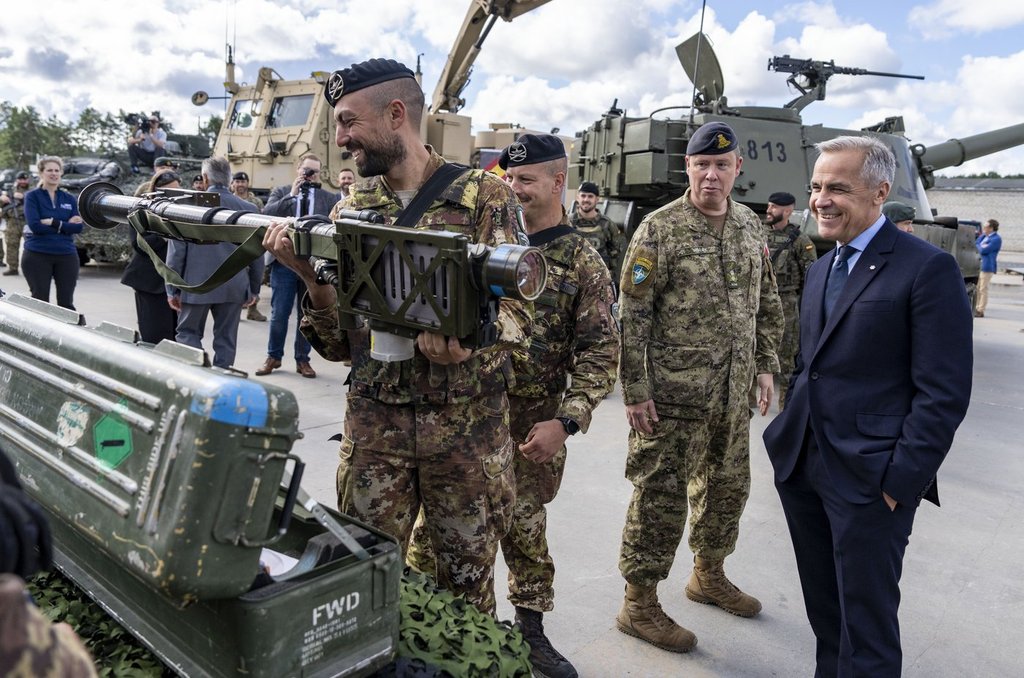

In an era marked by geopolitical uncertainty and evolving security challenges, the Canadian Liberal government has unveiled a bold defence-industrial strategy designed to fortify the nation’s military capabilities and economic resilience. Central to this plan is a commitment to generate 125,000 new jobs within the defence sector over the next ten years. This strategy not only seeks to reduce Canada’s dependence on foreign — particularly American — military suppliers but also aims to invigorate small and medium-sized enterprises (SMEs) and promote technological innovation at home. By emphasizing domestic production and strategic partnerships, the government envisions a self-reliant defence industry capable of safeguarding Canadian sovereignty, especially in critical regions like the Arctic. This article delves into the multifaceted components of this plan, its economic implications, and its strategic significance for Canada’s future.
Context and Rationale Behind the Defence-Industrial Strategy
Canada’s defence policy has long grappled with a heavy reliance on foreign military equipment, predominantly sourced from the United States. This dependency poses risks in terms of supply chain vulnerabilities and sovereignty, especially as global geopolitical tensions rise. The Liberal government’s new strategy emerges against this backdrop, aiming to recalibrate Canada’s defence capabilities by fostering a robust domestic industry.
The urgency to develop an autonomous defence supply chain is heightened by the strategic importance of the Arctic region. As climate change opens new navigation routes and resource opportunities, protecting Canada’s Arctic sovereignty has become a national priority. The defence-industrial plan explicitly underscores this, positioning domestic manufacturing as a critical pillar to safeguard northern borders.
Moreover, the global security environment is increasingly fluid, with shifting alliances and emerging powers challenging traditional order. Canada’s commitment to NATO and partnerships with allies requires a defence sector that can reliably deliver advanced, timely, and cost-effective military capabilities. This strategy aims to address these multifaceted challenges through a comprehensive, forward-looking approach.
Job Creation and Economic Impact: A Core Promise
At the heart of the Liberal government’s strategy is a pledge to create 125,000 jobs in the defence sector over the next decade. This ambitious target reflects a substantial increase from the current employment level of approximately 81,000 jobs supported by the Canadian defence industry. The growth is expected to span manufacturing, research and development, and related supply chain activities.
Job creation extends beyond direct employment, with anticipated multiplier effects across various sectors. Small and medium-sized enterprises (SMEs) are positioned to benefit significantly, as the strategy aims to facilitate their entry and growth within the defence ecosystem. This includes support through funding, export promotion, and access to critical infrastructure.
Economic revitalization is also a key goal, especially for manufacturing sectors impacted by international trade tensions and tariffs. By increasing defence procurement from Canadian companies, the government intends to stimulate domestic production capabilities, thereby enhancing economic stability and technological competitiveness.
Shifting Procurement Policies to Prioritize Canadian Industry
A cornerstone of the strategy involves restructuring procurement policies to favor Canadian firms. Currently, about half of defence procurement contracts go to domestic companies; the government aims to increase this to 70%. This shift is designed to ensure that a greater share of defence spending circulates within the Canadian economy, fostering local innovation and production capacity.
The strategy introduces a revamped industrial technological benefit (ITB) policy, which will weigh economic benefits to Canada more heavily when awarding contracts. This policy encourages contractors to deliver projects on time and within budget while supporting Canadian supply chains and national sovereignty.
By partnering with so-called “Canadian champions” — companies that demonstrate reliability and efficiency — Ottawa plans to provide incentives such as research funding, export assistance, financing, and access to testing facilities. This approach aims to build long-term, sustainable partnerships that benefit both the defence sector and the broader economy.
Strengthening Domestic Supply Chains and Technological Innovation
The strategy places strong emphasis on developing resilient domestic supply chains, particularly in critical areas like aerospace, drones, ammunition, and sensors. These sectors are vital for modern military capability and national security, and building capacity at home reduces dependence on foreign suppliers vulnerable to geopolitical disruptions.
Investments in research and development are prioritized to foster innovation within Canada’s defence industry. By supporting cutting-edge technologies and facilitating collaboration between companies, academia, and government labs, the plan aims to position Canada as a leader in defence technology advancements.
The government also intends to enhance infrastructure and testing capabilities domestically, enabling Canadian firms to validate and refine their products without reliance on foreign facilities. This infrastructure development is crucial for accelerating the production and deployment of advanced military equipment.
Geopolitical Considerations and International Partnerships
While focused on self-reliance, the strategy acknowledges the importance of international alliances and partnerships. Canada remains committed to a strong defence relationship with the United States and NATO, reflecting strategic interdependence in security matters.
The document highlights intentions to deepen defence industry collaboration with allies such as the European Union, the United Kingdom, Australia, New Zealand, Japan, and South Korea. These partnerships include joint research initiatives, trade fairs, and increased diplomatic engagement through trade commissioners.
Interestingly, the strategy tactfully avoids direct references to China and only briefly mentions Russia in the context of its invasion of Ukraine. This measured tone suggests a careful balancing act as Canada navigates complex global dynamics while focusing on strengthening its own industrial base.
Challenges and Criticisms: Ensuring Accountability and Cost Control
Despite its ambitious goals, the strategy faces scrutiny regarding how Ottawa will prevent cost overruns and delays, issues that have historically plagued defence procurement projects. While the plan stresses the importance of delivering capabilities on time and within budget, it lacks detailed mechanisms to enforce these standards.
Critics also question whether the increased focus on domestic suppliers might lead to reduced competition and higher costs, potentially impacting value for taxpayers. Balancing national industrial benefits with fiscal responsibility will be essential to the plan’s success.
Moreover, the capacity of Canadian SMEs to scale rapidly and meet stringent defence requirements remains uncertain. The government’s support programs will need to be robust and adaptive to nurture these companies effectively and ensure they can compete on both domestic and global stages.
Implications for Canada’s Arctic Sovereignty and Northern Infrastructure
The defence-industrial strategy explicitly connects its objectives to enhancing Canada’s Arctic sovereignty. As the Arctic becomes a focal point for geopolitical competition and resource exploration, having reliable domestic defence manufacturing is crucial for maintaining control and presence in the region.
Investments are planned to develop infrastructure capable of supporting northern defence operations, including bases, transport, and surveillance technologies. This infrastructure will enable Canada to respond swiftly to threats and assert its interests in the North.
By prioritizing local production of equipment suited for Arctic conditions, the strategy aims to ensure that Canadian forces are equipped with tailored, effective tools to operate in harsh environments, thereby reinforcing national security and sovereignty.
Future Outlook: Building a Sustainable and Competitive Defence Sector
Looking ahead, the success of the Liberal government’s defence-industrial strategy will depend on sustained political will, effective implementation, and close collaboration with industry stakeholders. Achieving the projected job growth and economic benefits requires consistent investment and policy support.
The plan’s emphasis on innovation and partnerships positions Canada to capitalize on emerging defence technologies and global market opportunities. By increasing defence exports by 50% and boosting industry revenues by over 240%, the strategy aims to transform Canada into a competitive player on the international stage.
Ultimately, this comprehensive approach seeks to balance national security imperatives with economic development, ensuring that Canada’s defence industry not only supports military needs but also contributes meaningfully to the country’s prosperity and technological advancement.
Conclusion
The Liberal government’s ambitious defence-industrial strategy represents a transformative vision for Canada’s defence sector, intertwining national security with economic growth and technological innovation. By pledging 125,000 new jobs and prioritizing domestic production, the plan seeks to reduce dependence on foreign suppliers and bolster sovereignty, particularly in the strategically vital Arctic region. While challenges remain in ensuring accountability and supporting SMEs, the comprehensive approach—spanning procurement reforms, international partnerships, and infrastructure investments—positions Canada to emerge as a resilient and competitive player in the global defence industry. As implementation unfolds, this strategy promises to reshape not only Canada’s military capabilities but also its economic landscape for decades to come.
Originally reported by globalnews.ca. Adapted for our readers.