

Recent U.S. sanctions targeting Iran have extended beyond economic and political realms, significantly impacting the country's academic community. By cutting off access to essential English language proficiency tests and graduate-level examinations, these measures have effectively barred many Iranian students from pursuing education abroad. This development not only restricts individual aspirations but also threatens to widen the cultural and intellectual divide between Iran and the international academic community.
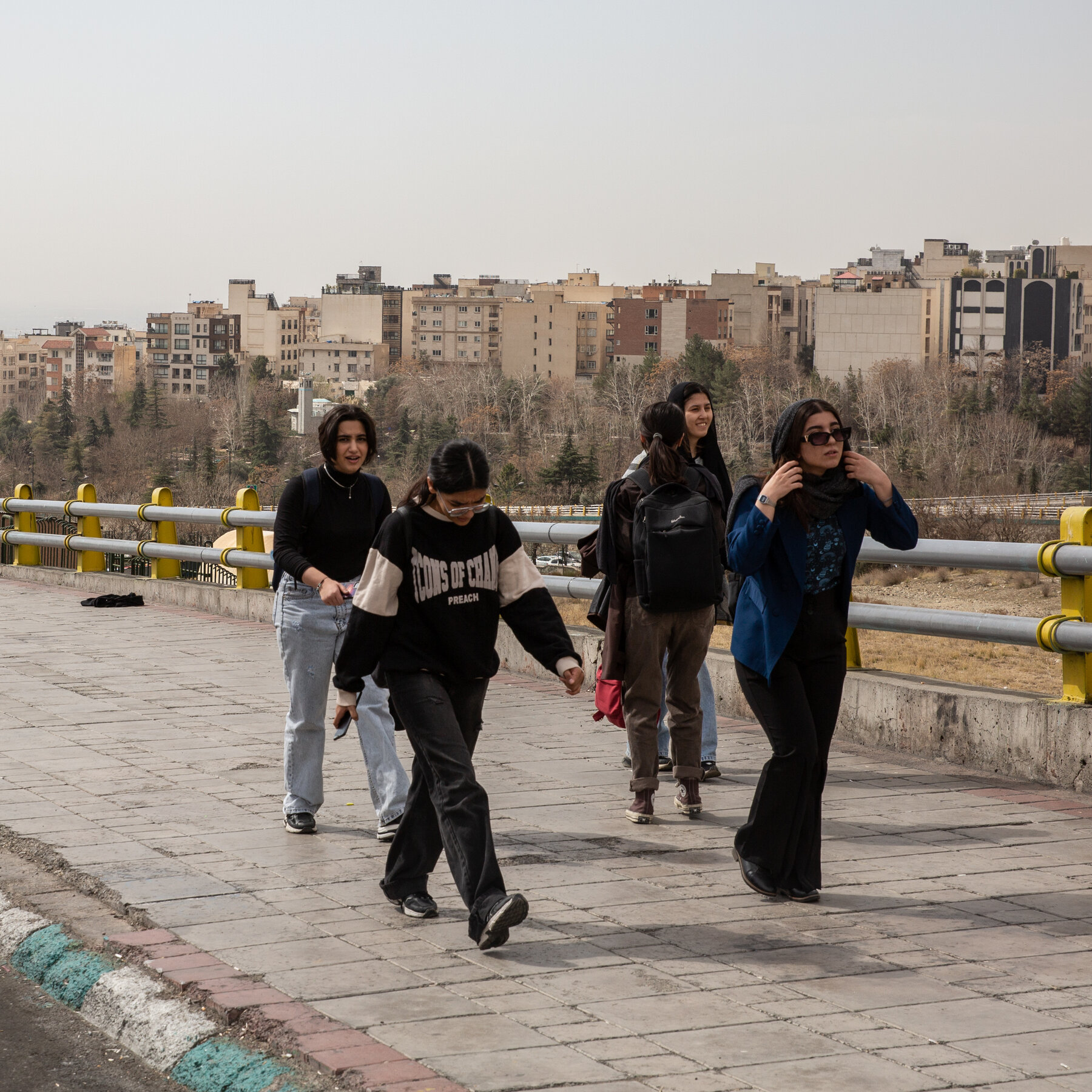
Sanctions and Their Academic Fallout
The latest round of U.S. sanctions on Iran has introduced stringent restrictions that have inadvertently affected the educational sector. Among the most immediate consequences is the cancellation of internationally recognized English proficiency tests and graduate entrance exams within Iran. These tests, including the TOEFL, IELTS, GRE, and GMAT, are prerequisites for admission to universities worldwide, particularly in English-speaking countries.
Without access to these examinations domestically, Iranian students face significant barriers to applying for study abroad programs. Many who have invested years preparing for international education now confront uncertainty regarding their academic and professional futures. The cancellation of these exams effectively severs a critical pathway for students eager to engage with global academic communities.
While the sanctions primarily aim to exert economic and political pressure on Iran, their unintended collateral damage in the realm of education is profound. By disrupting access to essential testing services, they isolate a generation of students who are among the most motivated to foster ties with the world.
Impact on Iranian Students and Academic Mobility
For many Iranian students, studying abroad is more than an academic pursuit; it is a vital avenue for advanced knowledge, professional development, and cross-cultural exchange. The inability to take standardized tests like the TOEFL, IELTS, GRE, or GMAT within Iran disrupts this pathway, forcing students either to abandon their ambitions or seek costly alternatives abroad.
This barrier disproportionately affects students from middle and lower-income backgrounds who cannot afford to travel to neighboring countries to sit for these exams. The financial and logistical challenges of traveling abroad for testing are significant, effectively limiting access to international education opportunities to those with greater economic means.
Consequently, the sanctions exacerbate educational inequality within Iran, deepening the divide between privileged students and those from less affluent backgrounds. Moreover, the cancellation of these exams curtails the flow of Iranian talent into international academic institutions, reducing cultural diversity and the exchange of ideas that enrich global scholarship.
Broader Implications for Iran’s Academic and Economic Future
The isolation of Iranian students from international education networks has implications that extend beyond individual academic pursuits. Education abroad often facilitates knowledge transfer, innovation, and the development of skills critical to national economic growth. By restricting access to global academic resources and networks, the sanctions risk stalling Iran’s intellectual capital development.
This limitation could have long-term consequences for the country’s competitiveness in science, technology, and business sectors. The reduced exchange of ideas and collaboration with international peers may hinder Iran’s ability to keep pace with global advancements.
Additionally, the sanctions may inadvertently encourage brain drain. Students who manage to study abroad despite the obstacles may choose not to return, further depleting Iran’s pool of skilled professionals. This loss of talent could undermine efforts to foster domestic innovation and economic development.
Responses from Educational Institutions and the International Community
Some international educational institutions and organizations have expressed concern over the impact of sanctions on academic freedom and student mobility. Recognizing the challenges faced by Iranian students, efforts are underway in certain quarters to find alternative solutions, such as remote testing or establishing exam centers in third countries accessible to Iranian students.
However, these measures are often limited in scope and cannot fully compensate for the comprehensive access previously available within Iran. Logistical complications, financial costs, and travel restrictions remain significant hurdles for many students.
There is also an ongoing ethical debate about the implications of sanctions that indirectly penalize students and academics, who are typically not involved in political decisions but bear the brunt of restrictive policies. Advocates argue for the protection of academic freedom and the separation of educational opportunities from geopolitical conflicts.
Navigating the Future: Potential Paths Forward
Addressing the educational fallout from sanctions requires nuanced policy considerations that balance geopolitical objectives with humanitarian and academic concerns. Potential strategies include diplomatic engagement to carve out exemptions for educational testing and academic exchanges.
Increased support for Iranian students through scholarships, remote learning opportunities, and partnerships that facilitate knowledge sharing despite political barriers could help mitigate the impact of sanctions. These approaches aim to preserve academic ties as a bridge for dialogue and mutual understanding, even amid broader political tensions.
Ultimately, maintaining access to educational resources and international academic networks benefits not only individual students but also fosters long-term cultural understanding and economic development. As the global community weighs the future of sanctions and diplomacy, prioritizing academic exchange remains essential to ensure education serves as a bridge rather than a barrier.
What this means
The recent U.S. sanctions on Iran underscore the complex interplay between geopolitical strategies and their unintended consequences on education and academic mobility. While aimed at exerting political pressure, these measures have inadvertently isolated Iranian students from vital international academic pathways, hindering their personal and professional growth. Addressing this issue requires a balanced approach that safeguards educational opportunities while navigating broader diplomatic objectives. Supporting academic exchange and access to testing not only benefits individual students but also fosters long-term cultural understanding and economic development. As the global community considers the future of sanctions and diplomacy, preserving academic ties should remain a priority to ensure that education continues to serve as a bridge rather than a barrier.
This article was curated with AI assistance and reviewed according to Tamfis editorial settings.
Originally reported by nytimes.com. Adapted for our readers with AI assistance.