

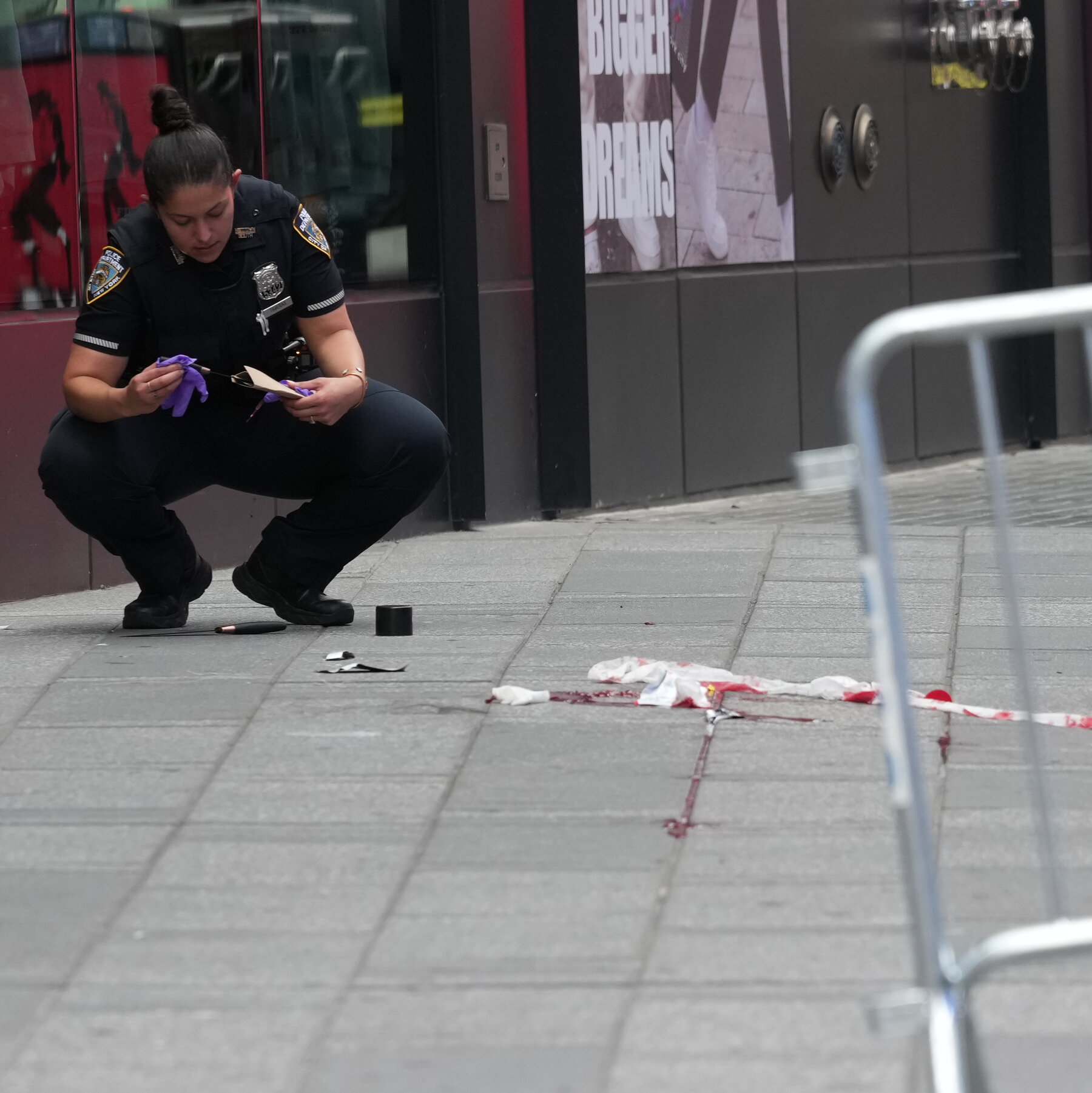
On a recent day in Times Square, a stabbing attack shocked both residents and visitors in one of New York City’s most iconic public spaces. The assailant, a 32-year-old woman armed with two knives, attacked two individuals, resulting in the death of a 32-year-old woman and serious injury to a 68-year-old man. The New York Police Department (NYPD) responded swiftly, initially attempting less lethal force before resorting to lethal action when the threat persisted. This incident raises important questions about public safety, law enforcement protocols, and the challenges of managing violent acts in crowded urban environments.
Details of the Incident
The stabbing occurred in Times Square, a bustling area known for its heavy pedestrian traffic and vibrant atmosphere. The assailant, a 32-year-old woman, was armed with two knives during the attack. The victims included a woman of the same age who was fatally stabbed and a 68-year-old man who sustained injuries but remains in stable condition.
According to official reports, NYPD officers on the scene first attempted to subdue the attacker using less lethal methods. When these efforts proved ineffective and the threat continued, officers fired their weapons, resulting in the assailant’s death. This sequence of events highlights the rapid escalation and high stakes involved in responding to violent incidents in public spaces.
The police’s decision to escalate from less lethal force to lethal force underscores the immediacy and severity of the threat posed by the assailant, who was actively wielding two knives. The 68-year-old male victim’s stable condition following the attack reflects the effectiveness of emergency medical response amid the chaotic scene.
Law Enforcement Response and Use of Force
The NYPD’s approach to the incident reflects established protocols for handling armed and dangerous individuals. Officers initially employed less lethal options, such as tasers or pepper spray, aiming to neutralize the threat without causing fatal harm.
The decision to use lethal force is always a last resort, taken only when there is an imminent threat to the lives of officers or civilians. In this case, the woman’s possession of two knives and her aggressive actions necessitated such a response to prevent further harm.
This incident underscores the complexities police face when balancing the imperative to protect public safety with the need to minimize casualties. It also raises ongoing discussions about training, equipment, and strategies for law enforcement in managing violent confrontations.
The swift escalation from less lethal to lethal force illustrates the challenges officers face in real-time decision-making during violent encounters. It also highlights the importance of comprehensive training and clear protocols to guide officers in high-pressure situations.
Public Safety in High-Profile Urban Areas
Times Square is one of the most visited locations in New York City, attracting millions of tourists and locals annually. Its dense crowds and high visibility make it both a vibrant cultural hub and a challenging environment for maintaining public safety.
Incidents like this stabbing attack highlight vulnerabilities inherent in crowded urban spaces. Rapid response capabilities, surveillance, and preventive measures are critical to mitigating risks and ensuring the safety of residents and visitors alike.
City officials and law enforcement agencies continuously evaluate security protocols in such areas, balancing accessibility and openness with the need for vigilance against potential threats. This incident may prompt renewed discussions on enhancing safety measures, including increased police presence, improved emergency response coordination, and public awareness campaigns.
The complexity of managing safety in high-profile urban centers like Times Square involves not only responding to incidents but also anticipating and preventing them through strategic planning and community engagement.
Broader Implications and Community Impact
Beyond the immediate tragedy, the stabbing and subsequent police shooting have broader implications for community relations and perceptions of safety. Incidents involving lethal force by police often generate public scrutiny and debate over law enforcement practices.
Community leaders and advocacy groups may call for transparency regarding the circumstances of the shooting, including the sequence of events and the decision-making process behind the use of lethal force.
At the same time, the community affected by the victims and the assailant may experience trauma and heightened concerns about violence. Support services and outreach efforts can play a vital role in addressing these impacts and fostering resilience.
This event also serves as a reminder of the importance of mental health resources and intervention strategies, as underlying factors contributing to violent behavior often intersect with broader social and psychological issues. Addressing these root causes is essential for preventing future incidents.
Lessons for Business and Urban Stakeholders
For businesses operating in and around Times Square, incidents of violence can have immediate and long-term effects on customer confidence and economic activity. Ensuring a safe environment is essential for sustaining the area’s appeal as a commercial and tourist destination.
Business owners and property managers may consider collaborating with law enforcement and city officials to enhance security measures, such as improved lighting, surveillance systems, and emergency preparedness training for staff.
Urban planners and policymakers can also draw lessons from this incident to inform strategies that promote safer public spaces. This includes designing environments that deter violent behavior and facilitate quick emergency responses.
Ultimately, a coordinated approach involving law enforcement, community organizations, businesses, and city agencies is crucial to maintaining the vibrancy and safety of high-traffic urban centers like Times Square.
What this means
The stabbing incident in Times Square is a stark reminder of the unpredictable nature of violence in urban environments and the critical role of law enforcement in protecting public safety. While the immediate response prevented further harm, the event prompts important conversations about how cities can better prepare for and prevent such tragedies. Enhancing security protocols, fostering community trust, and addressing underlying social issues are essential steps toward creating safer public spaces. For business leaders and policymakers alike, this incident underscores the importance of collaboration and proactive strategies to maintain the vitality and safety of iconic urban centers.
This article was curated with AI assistance and reviewed according to Tamfis editorial settings.
Originally reported by nytimes.com. Adapted for our readers with AI assistance.