

In early September 2026, two significant international gatherings unfolded almost simultaneously, illustrating the shifting landscape of global power. Chinese President Xi Jinping met with Russian and Iranian leaders, signaling a consolidation of strategic partnerships outside the traditional Western sphere. Meanwhile, the G20 summit, dominated by European leaders and the Trump administration, presented a contrasting narrative of global cooperation and economic governance. These parallel events underscore the complexities of contemporary geopolitics, where alliances and rivalries are being redefined amid competing visions for the future world order.
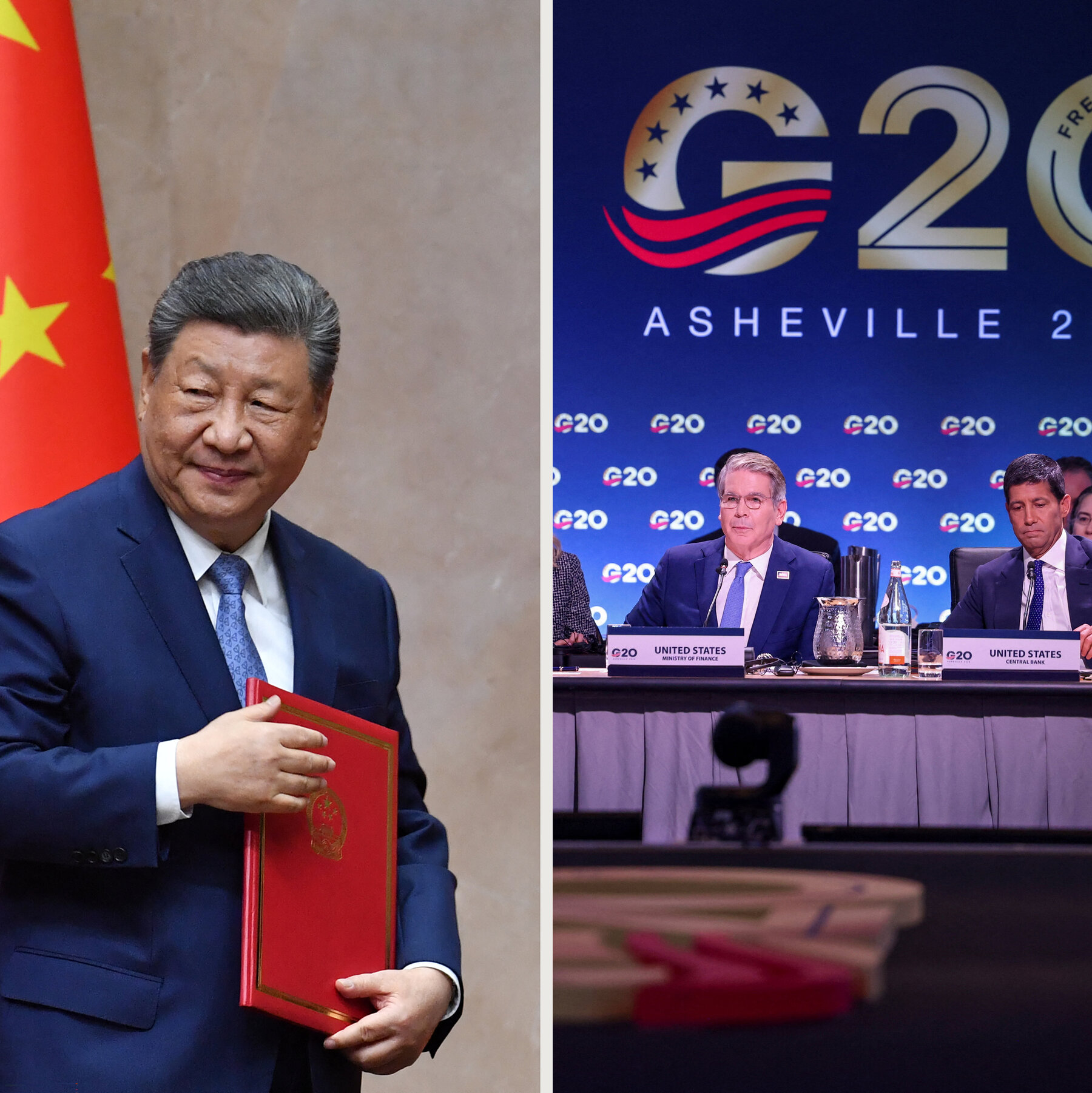
Divergent Diplomatic Arenas: China’s Strategic Summit vs. the G20
The simultaneous meetings in early September 2026 highlighted contrasting diplomatic styles and objectives. Xi Jinping’s summit with Russia and Iran represented a bloc aiming to challenge Western dominance through strategic alignment on security and economic cooperation. This gathering emphasized a shared interest in counterbalancing U.S. influence and forging a cohesive partnership.
Conversely, the G20 summit brought together leaders from Europe, the United States, and other major economies to focus on economic governance, trade, and global stability. European leaders notably challenged the Trump administration’s unilateral policies, advocating for multilateralism and cooperative frameworks. This split-screen scenario revealed competing centers of power and differing approaches to international leadership.
Together, these diplomatic arenas illustrate the broader geopolitical contest unfolding globally. While China, Russia, and Iran seek to operate outside established Western-led institutions, the G20 remains a key platform where traditional powers strive to maintain influence through dialogue and negotiation. This juxtaposition reflects an evolving global diplomacy landscape marked by parallel and sometimes competing tracks of engagement.
China’s Growing Influence Through Strategic Partnerships
China’s engagement with Russia and Iran signals its intent to expand geopolitical influence beyond economic strength. By deepening ties with these nations, China fosters a coalition that serves as a counterweight to Western alliances such as NATO and the European Union.
This partnership encompasses coordinated efforts in energy security, military cooperation, and infrastructure development. Joint projects in energy supply chains and transportation corridors aim to reduce dependence on Western-controlled routes and markets, creating alternative pathways that enhance the bloc’s strategic autonomy.
The alliance also reflects shared skepticism toward U.S. foreign policy and sanctions regimes. Presenting a united front, China, Russia, and Iran are developing alternative mechanisms for international trade and diplomacy that bypass traditional Western institutions. These include efforts to establish new financial systems and payment networks to lessen reliance on the U.S. dollar and Western banking infrastructure.
Moreover, the summit underscored a mutual interest in promoting a multipolar world order, challenging post-Cold War Western dominance and seeking a more balanced distribution of influence across regions and actors.
The G20: A Platform for Western-Led Economic Governance
The G20 summit remains a critical forum for addressing global economic challenges, though the 2026 meeting revealed tensions, particularly between Europe and the Trump administration. European leaders pushed back against unilateral trade measures, emphasizing the importance of multilateral agreements to ensure economic stability.
This divergence reflects broader debates about globalization, protectionism, and the role of international institutions. While the U.S. under Trump favored bilateral deals and nationalistic policies, Europe advocated for collective action and rules-based systems. These differing approaches highlight challenges in maintaining cohesion among major economies with varying priorities.
Despite political differences, the G20 continues to facilitate dialogue among the world’s largest economies. The summit’s agenda included climate change, digital economy regulation, and pandemic preparedness—issues requiring cooperation beyond political fault lines. These topics demonstrate recognition that some challenges transcend national borders and demand coordinated responses.
Thus, the G20’s role as a platform for economic governance is both reaffirmed and tested. While political fault lines persist, its ability to foster communication and negotiation remains essential for managing global economic risks and promoting sustainable development.
Implications for Global Governance and Stability
The contrasting meetings highlight a fragmented international order where multiple power centers coexist and compete, complicating consensus on security, trade, and environmental protection.
China’s strategic alliances indicate a shift toward multipolarity, with influence distributed among several major players rather than dominated by the West. This could lead to parallel governance and economic systems, complicating multinational cooperation through differing regulatory standards and trade rules.
Simultaneously, the G20’s emphasis on cooperation underscores the enduring need for dialogue, even among rivals. The ability of such forums to bridge differences will be vital in managing global risks and fostering sustainable development. Maintaining open communication channels can help prevent misunderstandings and reduce conflict likelihood.
Overall, these developments signal a world in transition, where traditional structures are challenged and new partnerships emerge. Navigating this evolving landscape requires adaptability and engagement with diverse actors.
Navigating a World of Competing Visions
For businesses and policymakers, understanding these competing power showcases is essential. The rise of alternative alliances may affect global supply chains, investment flows, and regulatory environments, increasing complexity and political risks.
Companies operating internationally must prepare for divergent standards, compliance challenges, market access issues, and potential disruptions. Strategic planning should account for fragmented markets and evolving trade regimes.
Governments face the task of balancing national interests with the demands of an interconnected global economy. Crafting foreign and economic policies that accommodate both cooperation and competition will be key to maintaining stability and promoting growth.
Ultimately, the dual narratives emerging from these meetings reflect a world in transition. Stakeholders who adapt by engaging multiple partners and anticipating geopolitical shifts will be better positioned to thrive. Flexibility, informed decision-making, and proactive diplomacy are essential tools in this complex environment.
What this means
The events of early September 2026 provide a clear view into evolving global power dynamics. China’s summit with Russia and Iran represents a deliberate effort to forge alternative centers of influence, while the G20 meeting underscores ongoing commitments to economic cooperation amid political disagreements. This duality reflects a world moving toward multipolarity, where competing visions coexist and shape international relations’ future. For the global business community and policymakers, staying informed and agile in response to these developments is vital to navigating this new era’s complexities.
This article was curated with AI assistance and reviewed according to Tamfis editorial settings.
Originally reported by nytimes.com. Adapted for our readers with AI assistance.