

The U.S. housing market faces a significant shortfall of roughly 1.2 million homes, compounded by a shortage of nearly 300,000 skilled construction workers. This gap not only inflates costs but also extends project timelines, creating challenges for builders and clients alike. While the idea of humanoid robots building homes remains distant, targeted applications of robotics and factory automation are already making meaningful impacts. For freelancers and consultants navigating the gig economy—especially in construction-related fields—understanding these technological shifts is essential for seizing new opportunities and staying competitive in a rapidly evolving industry.
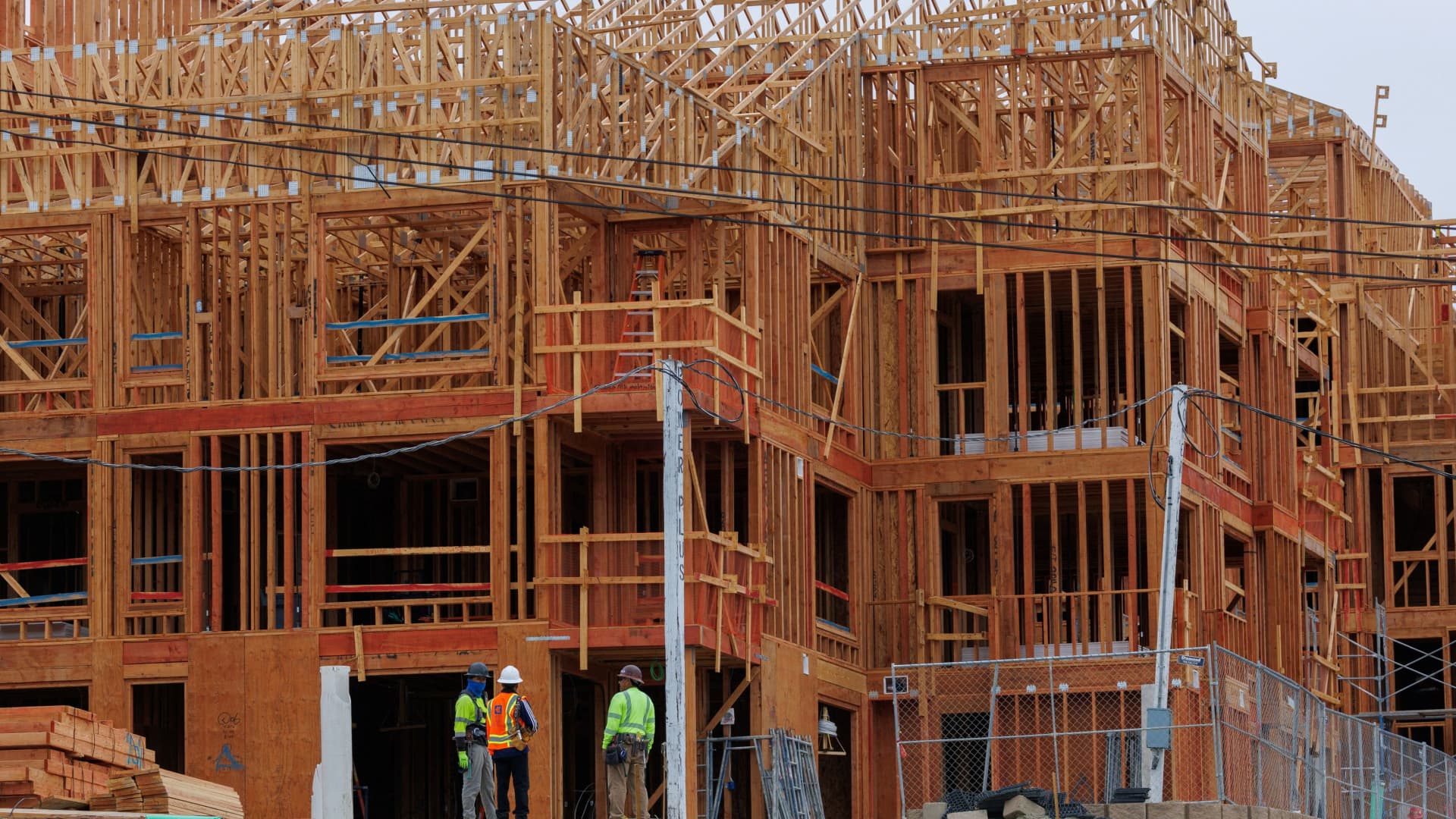
The Labor Shortage and Its Impact on Construction
The construction industry is grappling with a shrinking workforce, with nearly 300,000 open jobs at the end of 2025 and an estimated need to attract 740,000 workers annually to keep pace with demand and turnover. This shortage drives up costs by an estimated $11 billion yearly and adds about two months to the average homebuilding timeline.
For freelancers and consultants, this environment means increased demand for specialized skills and services that can help builders overcome labor gaps and improve efficiency. However, it also means competition is intensifying, and clients are seeking partners who can deliver measurable productivity gains.
Why Construction Robotics Are Different from Factory Automation
Unlike factories where robots operate in fixed, repetitive environments, construction sites are dynamic and constantly changing. This variability makes it difficult to deploy humanoid robots or fully automate tasks on-site. Each project involves unique designs, materials, and subcontractors, requiring adaptable solutions rather than one-size-fits-all automation.
Industry experts emphasize that the most effective robotic applications today focus on specific, repetitive tasks such as layout marking, drilling, fastening, and material handling. These targeted uses improve precision and reduce errors without replacing skilled workers entirely.
For freelancers, this means that opportunities lie in mastering and consulting on these niche technologies rather than expecting wholesale automation of construction roles.
Robotic Layout Systems: Bridging Information Gaps
One of the clearest success stories comes from robotic layout systems like Dusty Robotics' FieldPrinter, which translates digital building plans into precise floor markings. This technology helps multiple trades—plumbers, electricians, framers—work from the same accurate instructions, reducing costly mistakes and rework.
For example, after adopting robotic layout, global construction firm Skanska reported a 75% reduction in rework and a 35% faster layout schedule. Similarly, combining robotic layout with prefabricated components has cut shell construction times nearly in half in some projects.
Consultants and freelancers can add value by helping construction teams integrate these technologies into their workflows, training staff, and coordinating multi-trade efforts to maximize efficiency gains.
Factory Automation and Prefabrication: Lessons from Japan
Japan leads the way in factory-based homebuilding, where up to 80% of a house is constructed by robots in controlled environments before being assembled on-site. This approach has boosted production rates and reduced labor needs, offering a model for other countries facing similar labor shortages.
In the U.S., factory-built wall systems, prefabricated bathroom pods, and composite structural components are gaining traction. These methods can shorten construction schedules by 30% to 40%, lowering financing costs and site expenses.
However, the benefits depend on design standardization. Changes in dimensions or finishes can erode efficiencies, making tract housing and multifamily developments prime candidates for prefab solutions.
Freelancers and consultants can find opportunities in advising on prefab design compatibility, supply chain coordination, and quality control to help builders realize these efficiencies.
Navigating the Transition: Skills and Strategies for Freelancers
As automation and robotics reshape construction, the demand for skilled workers—electricians, plumbers, welders—remains strong. These roles require human expertise where precision and adaptability are critical.
Freelancers and consultants should focus on building expertise in emerging technologies such as robotic layout systems, prefab coordination, and digital project management tools. Understanding how to integrate these technologies with traditional construction methods will be a valuable differentiator.
Additionally, developing strong client management skills and the ability to negotiate pricing based on demonstrable productivity improvements can help freelancers secure better contracts and build long-term relationships.
Remote work trends and digital collaboration tools also open doors for consultants to support multiple projects across regions, expanding their reach beyond local markets.
Global Trends and Opportunities in the Gig Economy
The challenges and solutions seen in the U.S. construction industry reflect broader global trends. Countries like Japan demonstrate how necessity drives innovation in automation, while emerging markets such as Nigeria are increasingly adopting remote work and gig economy models.
For freelancers in Nigeria and worldwide, this means growing opportunities to offer consulting services that bridge technology and traditional construction practices. Skills in digital planning, robotics integration, and prefab logistics are becoming increasingly valuable.
Moreover, understanding local regulatory environments, supply chain dynamics, and client expectations is crucial for tailoring services effectively and building a sustainable freelance career.
What this means
While the vision of humanoid robots building homes remains a distant prospect, the construction industry is already benefiting from practical applications of robotics and automation. For freelancers and consultants, this evolving landscape offers a wealth of opportunities to add value by bridging technology and traditional craftsmanship. By focusing on specialized skills, embracing prefab and robotic tools, and honing client management capabilities, independent professionals can position themselves at the forefront of a transforming industry. Whether working locally or remotely, understanding these trends will be key to building a resilient and rewarding career in the gig economy.
Source: Construction robots are tackling America's housing shortage, but we're a long way from humanoid homebuilders via www.cnbc.com.
This article was curated with AI assistance and reviewed according to Tamfis editorial settings.


