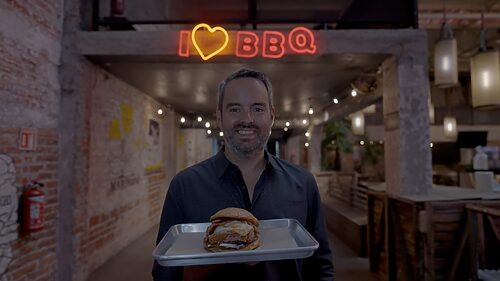

Career transitions can feel daunting, especially when stepping far outside familiar territory. Yet for freelancers and consultants, the ability to pivot, learn new skills, and meet unmet needs is often what sustains long-term success. Dan Defossey’s shift from working in education at Apple to launching a Texas-style BBQ restaurant in Mexico City—now part of a group generating over $9 million in annual sales—provides a compelling case study. Though his path involved food and hospitality, the core lessons about opportunity recognition, customer understanding, and authentic value creation resonate strongly with independent professionals navigating the gig economy today. This article explores how his experience translates into practical guidance for those building freelance or consulting careers, particularly in dynamic markets like Nigeria’s.
Identifying and Seizing Unique Market Gaps
Defossey’s decision to open a BBQ restaurant in Mexico City stemmed from a clear observation: despite proximity to the United States and a local appetite for meat, there were no authentic Texas-style barbecue establishments in the city. This gap represented not just a business idea, but a chance to introduce something genuinely new. For freelancers and consultants, this underscores the importance of market awareness—looking beyond saturated services to find niches where your specific skills or background can fill a need. Whether it’s offering specialised digital consulting for agricultural startups in Lagos or providing remote project management for creative teams across Africa, spotting underserved areas allows you to position yourself as a pioneer rather than another competitor in a crowded field.
The key is not merely noticing a gap, but validating it through direct engagement. Defossey and his partner spent time in the community, offering samples and gathering feedback—even when early attempts failed (notably, neighbourhood dogs refused their first brisket). This iterative, humble approach mirrors how successful freelancers often begin: by testing services with a small client base, listening critically to responses, and refining their offering before scaling. In Nigeria’s growing gig economy, where trust and reputation are paramount, such validation builds credibility and reduces the risk of launching a service that misses the mark.
Embracing the Learning Curve with Humility
Despite having no restaurant experience, Defossey and Luna chose to learn on the fly. This willingness to start as a beginner—acknowledging ignorance while committing to improvement—is a trait that serves freelancers and consultants well. Many independent professionals face pressure to present themselves as instant experts, but sustainable growth often comes from admitting what you don’t know and investing in skill development. Whether it’s mastering a new project management tool, learning industry-specific regulations for consulting in Nigeria’s oil and gas sector, or improving client communication through targeted courses, embracing the learning process fosters resilience and adaptability.
Defossey’s story also highlights how humility can disarm skepticism. By naming their restaurant 'Pinche Gringo'—a playful, self-aware nod to their outsider status—they created an entry point for conversation and connection with local customers. Similarly, freelancers entering new markets or industries can benefit from acknowledging cultural or contextual differences while showing genuine respect and a desire to learn. This approach doesn’t undermine expertise; instead, it builds rapport and demonstrates emotional intelligence, which are as critical as technical skills in client relationships.
Building an Authentic Offering Without Compromise
One of the most distinctive aspects of Pinche Gringo is their refusal to 'tropicalise' the menu—no tortillas, no local fruit waters, no limes, despite their popularity in Mexican cuisine. Defossey insisted on offering an authentic Texas BBQ experience, believing that dilution would undermine the uniqueness of their concept. For consultants and freelancers, this translates to the value of staying true to your core methodology or specialty, even when pressured to conform to local expectations. If your strength lies in data-driven decision-making, for instance, resisting the urge to offer superficial advice just to please a client preserves your professional integrity and attracts those who genuinely value your approach.
That said, authenticity does not mean rigidity. Defossey’s authenticity was rooted in sharing a piece of his culture to foster connection—not in rejecting all local context. Freelancers can similarly maintain their professional identity while adapting delivery methods to suit client preferences, such as adjusting communication styles or reporting formats, without compromising the substance of their work. This balance allows you to remain distinctive while being accessible and relevant in diverse markets like Nigeria’s, where clients may appreciate global best practices delivered with local sensitivity.
Scaling Through Systems and Culture
What began as a single airstream trailer has grown into Groupo Chilangogringo, encompassing seven venues, employing 105 people, and processing 15–20 metric tons of meat monthly. This growth did not happen by chance; it required systematising operations, training staff, and cultivating a welcoming workplace culture—elements Defossey explicitly credits as the 'soul' of the business. For freelancers aiming to move beyond solo work or consultants building a team, this highlights that sustainable scaling depends less on individual effort and more on creating repeatable processes and a positive environment where people can thrive.
In practical terms, this might mean developing standardised proposals, clear project timelines, or client onboarding checklists that ensure consistency as you take on more work. It also means investing in relationships—whether with subcontractors, virtual assistants, or long-term clients—based on mutual respect and shared values. In Nigeria’s context, where power outages, internet fluctuations, and logistics challenges can disrupt workflow, having robust systems and a supportive team (even a small one) can be the difference between fragility and resilience.
What this means
Dan Defossey’s leap from Apple educator to BBQ entrepreneur may seem far removed from the world of freelance writing, tech consulting, or project management—but the principles underpinning his success are deeply relevant. For freelancers and consultants in Nigeria and globally, his story reinforces that bold career moves are less about having all the answers upfront and more about curiosity, resilience, and a commitment to delivering authentic value. By spotting opportunities others overlook, embracing the discomfort of learning, holding fast to what makes your service unique, and building the foundations for scale, you can craft a career that is not only financially viable but personally fulfilling. In an ever-evolving gig economy, such adaptability isn’t just advantageous—it’s essential.
Originally reported by gestyy.com. Adapted for our readers with AI assistance.