
Agriculture has long been perceived as a vocation passed down through generations, often confined to rural families. However, with increasing urbanization and a growing disconnect from farming lifestyles, attracting new talent to agriculture has become challenging. To overcome this, educators and industry leaders are turning to personality matching tests to identify and nurture future farmers. These innovative assessments help align individual traits and interests with suitable agricultural careers, opening doors for students who may not have previously considered farming. This article delves into the utilization of personality matching tests to find future farmers, highlighting programs, methodologies, benefits, and the broader implications for the agriculture sector.
Understanding the Need for Future Farmers
The agricultural sector worldwide faces a looming shortage of skilled workers as older generations retire and fewer young people pursue farming careers. Despite the abundance of job opportunities, many students lack awareness or interest in agriculture, often due to misconceptions or lack of exposure. This disconnect threatens food security and the sustainability of farming communities.
Statistics reveal that the number of agricultural jobs far exceeds the number of graduates entering the field. This imbalance highlights an urgent need for strategies that engage youth and guide them toward rewarding careers in agriculture. By tapping into the interests and personalities of students, educators can better match individuals to the diverse roles within the sector.
The challenge is not only attracting youth but also ensuring they possess the right skills and mindset for modern agriculture. Farming today integrates technology, science, and business acumen, requiring a broad range of talents. Personality matching tests offer a promising approach to identify students naturally suited for these multifaceted roles.
What Are Personality Matching Tests?
Personality matching tests are assessment tools designed to evaluate an individual’s traits, interests, and aptitudes to recommend compatible career paths. These tests analyze characteristics such as problem-solving ability, social interaction preferences, and work style, enabling a tailored approach to career guidance.
One widely used model in vocational guidance is the RIASEC framework, which categorizes interests into six types: Realistic, Investigative, Artistic, Social, Enterprising, and Conventional. By mapping students’ personalities against these categories, educators can identify agricultural careers that align with their strengths and preferences.
In the context of agriculture, these tests help demystify the sector by showing students how their unique qualities fit into various roles—whether it’s hands-on farm management, scientific research, agribusiness, or technology development. This targeted guidance increases engagement and motivation among prospective farmers.
Innovative Programs Leveraging Personality Tests
Several national and regional initiatives have incorporated personality matching tests into their career guidance programs to boost agricultural recruitment. For example, the Mad 4 Careers in Agriculture program works with students from kindergarten through grade 10, using assessments to connect them with suitable roles in farming, agribusiness, and agri-tech.
This program collaborates with educational institutions and industry partners across sectors such as sugar, dairy, beef, cotton, prawns, and wine. By integrating personality testing with hands-on experiences like cattle showing and farm visits, students gain a realistic understanding of agriculture’s scope and opportunities.
Participants often report a shift in perception, discovering new interests and talents aligned with agriculture. For instance, students initially drawn to mechanics or psychology find pathways in agricultural machinery maintenance or agricultural research, respectively. These programs demonstrate the power of personality matching to broaden career horizons.
Benefits of Using Personality Matching in Agriculture Recruitment
Personality matching tests provide several advantages in recruiting future farmers. Firstly, they personalize career guidance, ensuring students are directed toward roles that fit their disposition and skills, improving job satisfaction and retention in the sector.
Secondly, these tests help break stereotypes about farming by revealing the diversity of roles available. Students learn that agriculture is not only about manual labor but also involves science, technology, business, and innovation, attracting a wider range of talents.
Thirdly, personality-based guidance can increase diversity within agricultural workforces by engaging students from non-farming backgrounds, including urban youth, women, and minorities. This inclusive approach strengthens the sector’s resilience and adaptability.
Challenges and Considerations in Implementation
While personality matching tests hold promise, their effectiveness depends on proper implementation and follow-up. Tests must be culturally sensitive, age-appropriate, and scientifically validated to provide meaningful results that resonate with students.
Moreover, test outcomes should be integrated with experiential learning opportunities, mentorship, and industry exposure to help students translate personality insights into informed career decisions. Without practical engagement, assessments risk being abstract and less impactful.
Educators and program coordinators also face challenges in scaling these initiatives, securing funding, and training staff to interpret test results accurately. Continuous evaluation and adaptation of programs are essential to maximize benefits and address emerging needs.
Case Studies: Success Stories from the Field
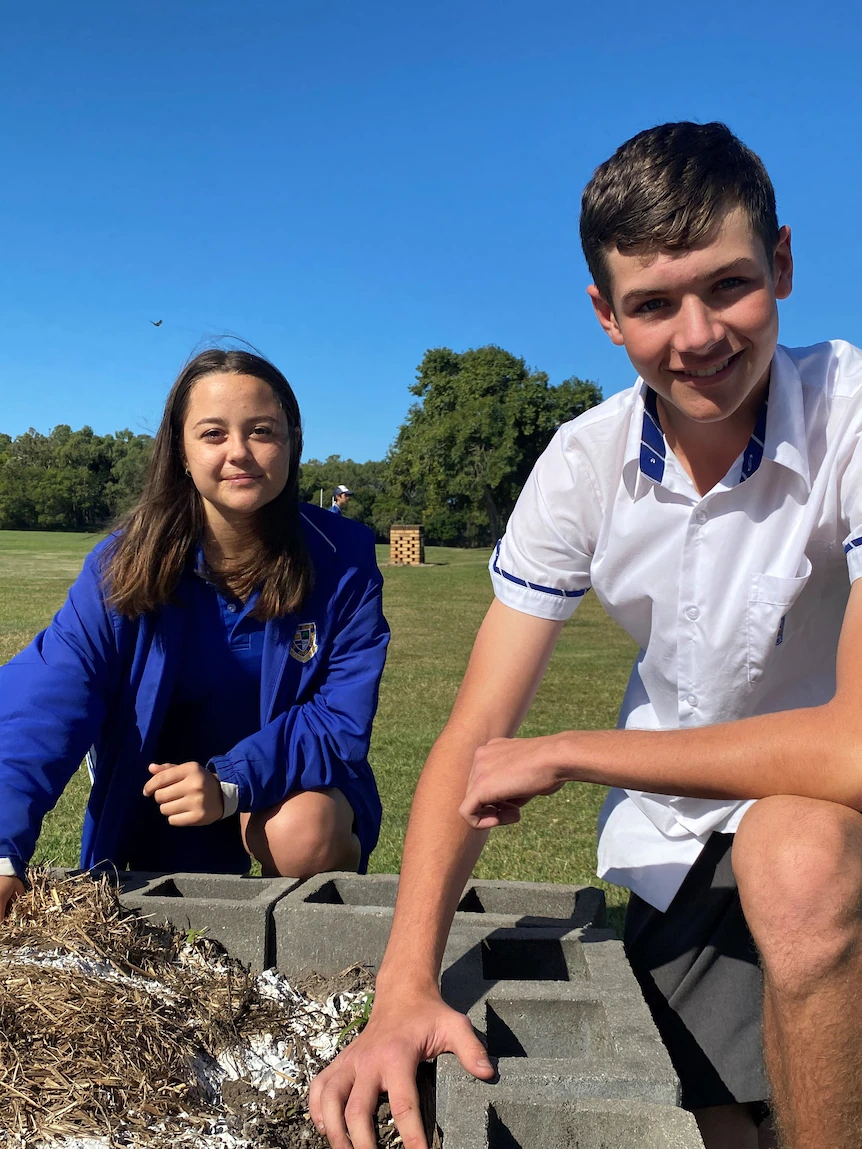
One compelling example is the story of Remy Vella, a fourteen-year-old student who initially dreamt of becoming a mountain biker. Participation in cattle showing and personality-based career guidance sparked a newfound passion for farming, demonstrating how exposure combined with personality insight can change career trajectories.
Another case involves Aaron Bickford, who had no farming background and was initially interested in mechanics. After completing a personality matching test and exploring sugar industry opportunities, he became enthusiastic about agricultural machinery and mill operations, illustrating the role of personality tests in uncovering hidden affinities.
Similarly, Tamlyn Nell, who aspired to be a psychologist, discovered through personality assessments that she could apply her interests in research and data analysis within agricultural science, highlighting the sector’s multidisciplinary nature and the value of personalized career counseling.
The Future of Personality Matching in Agricultural Careers
As technology advances, personality matching tests are expected to become more sophisticated, incorporating artificial intelligence and big data to deliver even more precise career recommendations. This evolution will further enhance the ability to attract and retain motivated individuals in farming.
Integration with virtual reality and gamification could provide immersive career exploration experiences, allowing students to simulate farming roles matched to their personality profiles. Such innovations can deepen engagement and reduce barriers to entering agriculture.
Furthermore, as global challenges like climate change and food security intensify, the demand for diverse skill sets in agriculture will grow. Personality matching will be critical in identifying candidates best suited to drive innovation and sustainability in the sector.
Conclusion
The utilization of personality matching tests represents a transformative approach to cultivating the next generation of farmers. By recognizing and aligning individual interests and traits with the varied demands of modern agriculture, these assessments open new avenues for youth engagement, especially those from non-farming backgrounds. Combining personality insights with experiential learning fosters informed career choices, helping to address workforce shortages and ensure the sector's vitality. As technology and methodologies evolve, personality matching will play an increasingly pivotal role in shaping sustainable, innovative agricultural futures.
Originally reported by gestyy.com. Adapted for our readers.