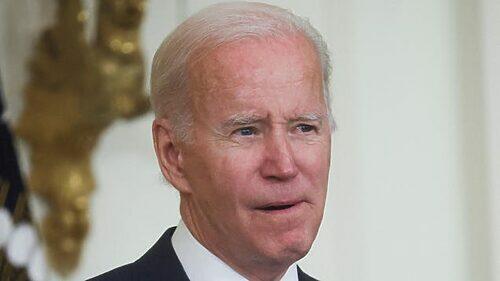

In an effort to revitalize American industry and create jobs, President Joe Biden has championed the "Buy American" policy, requiring federal infrastructure projects to prioritize American-made products. While the intent is to strengthen domestic manufacturing and support U.S. workers, critics argue that this strategy may have unintended economic consequences. By increasing construction costs and limiting access to competitively priced foreign materials, the policy risks slowing infrastructure development and potentially causing a net loss in American jobs. This article explores the complexities of Biden's "Buy American" plan, analyzing its economic impacts, challenges, and implications for the U.S. labor market.
Overview of Biden’s "Buy American" Policy
In his 2023 State of the Union address, President Biden emphasized his administration’s commitment to ensuring that federal infrastructure projects use American-made products. This policy is rooted in the 2021 Infrastructure Investment and Jobs Act, which mandates the use of domestically produced materials such as plastic and polymer-based products, glass, lumber, and drywall for government-funded construction.
The administration is actively considering expanding the "Buy American" requirements to cover additional construction materials, as indicated by requests for public comment from the Office of Management and Budget. The goal is to stimulate domestic manufacturing, reduce reliance on foreign supply chains, and create more U.S. jobs in manufacturing sectors.
While the policy’s intentions are to strengthen the American economy, it raises significant questions about cost efficiency, supply chain flexibility, and the broader impact on infrastructure development timelines and budgets.
Economic Realities Behind the "Buy American" Mandate
Experts caution that forcing infrastructure projects to exclusively use American-made products can substantially increase costs. Alec Stapp, co-founder of the Institute for Progress, highlights that the price premiums for domestic materials can be multiples higher than imported alternatives depending on the project and materials involved.
Heavy materials such as steel and concrete tend to be cheaper domestically due to high shipping costs, but lightweight, high-value items like rail cars or specialized polymers often cost significantly more when sourced solely from U.S. manufacturers. This imbalance elevates overall project expenses.
Higher costs may lead to fewer projects being undertaken or delays in construction, ultimately undermining the intended job creation benefits. Increased expenditures on materials may divert funds from labor or other critical areas, creating inefficiencies in infrastructure investment.
Impact on U.S. Job Market: A Double-Edged Sword
While the "Buy American" policy aims to protect and create manufacturing jobs, the broader labor market impact could be negative. Historical evidence suggests that protectionist policies like tariffs on steel and aluminum have had mixed results, sometimes causing job losses in downstream manufacturing sectors that rely on these materials.
For example, when steel prices rise due to tariffs or domestic procurement mandates, companies that produce goods using steel often face higher input costs. To maintain profitability, these companies may reduce their workforce, leading to a net loss in employment despite gains in steel manufacturing jobs.
Moreover, increased construction costs might result in fewer infrastructure projects being funded or completed, which can reduce employment opportunities in the construction trades and related industries, counteracting the policy’s goal to boost American jobs.
Comparing Global Infrastructure Cost Strategies
Countries with efficient infrastructure development often balance domestic production with strategic imports to optimize costs and quality. Many European nations, known for their advanced infrastructure, import key components to maintain competitive pricing and project timelines.
The "Buy American" mandate restricts this flexibility by prohibiting or limiting the use of imported materials, potentially making U.S. infrastructure projects more expensive and less efficient compared to international counterparts.
Adopting a more balanced procurement strategy could help the U.S. mimic the success of these countries, enabling faster infrastructure development while still supporting domestic industries where competitive advantages exist.
Political Motivations Behind Protectionist Policies
Biden’s "Buy American" approach shares populist economic traits with former President Trump’s policies, emphasizing domestic production and trade protection. This alignment reflects political calculations aimed at appealing to voters concerned about job losses and economic sovereignty.
Maintaining tariffs on imports from allies such as Canada and the European Union, despite economic drawbacks, underscores the administration’s focus on political messaging over economic efficiency. For instance, Canadian lumber, which is often cheaper and of comparable quality, remains subject to tariffs, driving up construction costs unnecessarily.
Such policies may resonate with certain voter bases but pose challenges for building a resilient and cost-effective economy, especially as the U.S. prepares for competitive global markets in the coming decades.
Inflationary Pressures and Federal Reserve Challenges
The "Buy American" policy contributes to rising costs in infrastructure projects, which can feed into broader inflationary trends. As construction expenses increase, these costs are often passed on to taxpayers or result in higher prices for goods and services linked to infrastructure development.
Inflation complicates the Federal Reserve’s efforts to maintain price stability and achieve its 2% inflation target. Persistent cost increases in key sectors like construction add upward pressure on inflation, making monetary policy decisions more challenging.
The Fed must balance controlling inflation with supporting employment, but protectionist policies that inflate input costs risk undermining this delicate balance, potentially prolonging inflationary cycles.
Potential Alternatives and Policy Recommendations
Instead of strict "Buy American" mandates, policymakers could consider more nuanced approaches that encourage domestic manufacturing while allowing flexibility for cost-effective imports. This hybrid strategy could optimize infrastructure spending and job creation simultaneously.
Investing in workforce development, innovation, and supply chain resilience may yield more sustainable economic benefits than protectionist procurement rules. Strengthening domestic capacity through incentives and partnerships could enhance competitiveness without inflating costs.
Engaging in international cooperation to lower trade barriers and improve supply chain integration could also help the U.S. access high-quality materials at competitive prices, supporting infrastructure goals without sacrificing economic efficiency.
Conclusion
President Biden’s "Buy American" plan reflects a desire to strengthen domestic manufacturing and create jobs through federal infrastructure investment. However, the economic realities suggest that strict procurement mandates may raise costs, slow project delivery, and inadvertently reduce employment opportunities across the broader economy. Balancing the goals of supporting American industry and maintaining cost-effective infrastructure development requires nuanced policies that encourage competitiveness and supply chain resilience. To truly foster sustainable job growth and economic strength, the U.S. must consider flexible strategies that integrate domestic production with strategic international sourcing, workforce development, and innovation.
Originally reported by destyy.com. Adapted for our readers.