
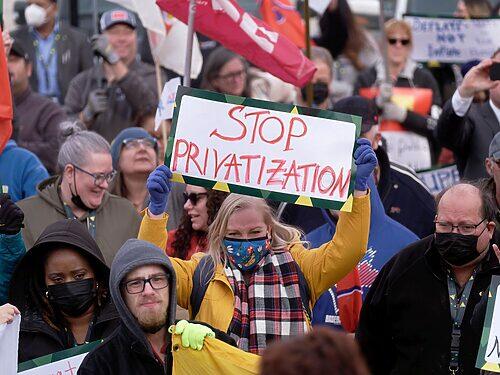

The debate over privatizing liquor stores often incites strong opinions, especially from unions and workers concerned about job security. However, from a business and economic standpoint, privatization presents numerous advantages that benefit taxpayers and governments alike. This article explores the multifaceted benefits of privatizing liquor stores, addressing common concerns, and highlighting how such a move can lead to increased efficiency, job creation, and sustained government revenues through wholesale operations. By examining the economic, social, and operational implications, we demonstrate why privatization is a prudent and forward-thinking business decision.
Understanding the Current Government-Run Liquor Store Model
Government-operated liquor stores have traditionally been a means for provinces to control alcohol distribution and generate revenue. These stores are staffed by government employees, and the government handles everything from retail sales to inventory management and building maintenance. While this centralized system ensures regulatory compliance and consistent pricing, it also involves significant operational costs.
One of the main financial burdens in the government-run model is the employment of staff and the upkeep of physical store locations. These expenses can erode the overall profitability of liquor sales, limiting the net revenue that governments can allocate to public services. Additionally, government-run stores may lack the competitive drive that private businesses have to innovate and improve customer experience.
Moreover, government stores sometimes face challenges related to limited market responsiveness. Without the pressure to compete, there may be less incentive to diversify product offerings or extend store hours, potentially reducing consumer convenience. This centralized approach, while stable, may not maximize the economic potential of the liquor retail sector.
Economic Benefits of Privatization for Governments
Privatizing liquor stores shifts the retail responsibility from the government to private entrepreneurs, but governments retain control over wholesale operations. This structure ensures steady revenue from product sales to private retailers while eliminating many of the direct costs associated with running retail outlets. The reduction in payroll and infrastructure expenses can significantly improve the government’s bottom line.
By focusing on wholesale rather than retail, governments can streamline their operations and reduce administrative overhead. The wholesale model guarantees that private stores must purchase their inventory from government-run suppliers, maintaining a consistent revenue stream while transferring retail risks and costs to the private sector.
This approach also allows governments to allocate resources more efficiently. Funds previously dedicated to managing retail stores can be redirected towards public services or debt reduction. In the long term, privatization can enhance fiscal sustainability without sacrificing revenue, making it an economically sound policy choice.
Job Creation and Employment Dynamics
A common concern with privatization is the potential loss of government jobs. While it is true that some government positions may be eliminated, privatization often leads to the creation of numerous new jobs in the private sector. Private liquor stores typically require staff for sales, management, and logistics, expanding employment opportunities across communities.
Moreover, private businesses tend to have greater flexibility in hiring and compensation, which can lead to more competitive wages and benefits for employees. The entrepreneurial nature of private liquor retailers also encourages job growth through store expansions and new business openings, which can offset job losses in government-run stores.
It is important to recognize that privatization changes the nature of employment rather than simply reducing it. Workers may transition from public sector roles to private sector positions, often gaining opportunities for career development and advancement in a more dynamic market environment.
Improved Consumer Experience Through Competition
Privatization introduces competition into the liquor retail market, which can drive improvements in customer service, product variety, and pricing. Private retailers are motivated to differentiate themselves by offering a wider selection of products, extended store hours, and enhanced shopping experiences to attract customers.
Competition also fosters innovation, encouraging stores to adopt new technologies such as online ordering, home delivery, and loyalty programs. These consumer-friendly initiatives can increase convenience and satisfaction, creating a more vibrant and responsive retail environment.
Furthermore, multiple private stores in a community provide consumers with greater choice and accessibility. This increased availability can reduce travel times and wait periods, making liquor purchasing more convenient and efficient for customers.
Maintaining Regulatory Control and Responsible Sales
Despite privatization, governments retain significant regulatory authority to ensure responsible alcohol sales. Licensing requirements, age restrictions, and compliance inspections remain in place to protect public health and safety. Privatization does not equate to deregulation; rather, it allows governments to focus resources on enforcement rather than retail management.
The wholesale monopoly model ensures that all liquor products sold by private retailers are sourced through government-approved channels, maintaining quality control and preventing illegal distribution. This framework provides a balance between market freedom and regulatory oversight.
Governments can also implement policies to promote responsible consumption, such as restricting sales hours or limiting marketing practices. Privatized stores operate within these guidelines, ensuring that public interests are safeguarded while benefiting from the efficiencies of private enterprise.
Addressing Concerns of Unions and Workers
Union opposition to privatization often stems from fears of job losses and reduced worker protections. While these concerns are valid, it is essential to consider the broader economic context and potential for new employment opportunities in the private sector. Transition support and retraining programs can help affected workers adapt to changing job markets.
Moreover, privatization can lead to a more dynamic labor market with diverse employment options. Private liquor retailers may offer different benefits, career paths, and workplace cultures that appeal to a range of employees. Over time, the labor landscape can become more flexible and responsive to worker needs.
Engaging unions and employees in the privatization process can also mitigate negative impacts. Transparent communication, fair labor practices, and collaboration on transition strategies are crucial to ensuring that privatization benefits both workers and the economy.
Long-Term Fiscal and Social Implications
Privatization of liquor stores can contribute to long-term fiscal health by stabilizing government revenues and reducing expenditures. This financial stability allows governments to invest in essential services such as healthcare, education, and infrastructure, enhancing overall societal well-being.
Socially, privatization can lead to a more diverse retail environment that supports local entrepreneurs and small businesses. This economic diversification strengthens communities and fosters innovation, creating a positive ripple effect beyond the liquor industry.
While concerns about alcohol consumption remain, privatization paired with strong regulatory frameworks can promote responsible drinking and reduce illegal sales. By balancing economic and social priorities, privatization can be a sustainable and beneficial policy for governments and citizens alike.
Conclusion
Privatizing liquor stores represents a strategic business decision that aligns economic efficiency with public interest. By transferring retail responsibilities to private enterprises while retaining government control over wholesale operations and regulation, governments can reduce costs, sustain revenues, and stimulate job creation. The benefits of increased competition translate into better consumer experiences and more dynamic local economies. Although challenges exist, particularly concerning employment transitions, these can be managed through thoughtful policies and collaboration with stakeholders. Ultimately, privatization offers a pragmatic path forward that balances fiscal responsibility with social considerations, making it a wise move for governments seeking sustainable growth and improved service delivery.
Originally reported by destyy.com. Adapted for our readers.