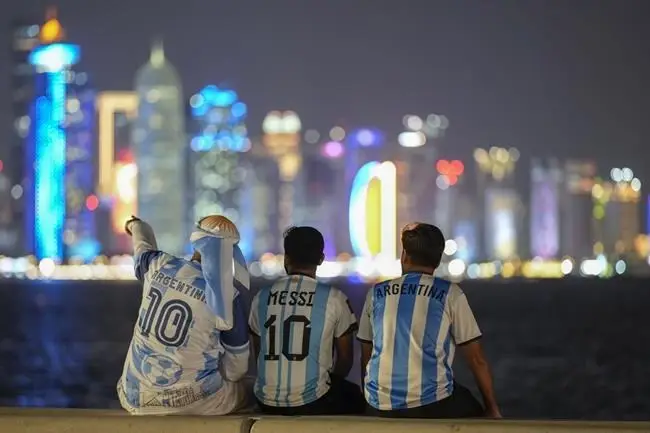

When cities like Toronto and Vancouver prepare to host World Cup matches, the headlines focus on job creation, visitor numbers, and GDP boosts. Yet for freelancers and consultants, such events signal something more nuanced: shifting demand patterns, new client needs, and openings to apply expertise in unexpected sectors. Understanding how global spectacles influence local economies helps independent professionals anticipate where their services might be needed next—whether in event logistics, digital marketing, cultural translation, or post-event legacy planning. This article explores how to spot and seize these opportunities, blending practical strategies with insights from recent hosting experiences to help you build a resilient, forward-looking consultancy or freelance practice.
Reading Between the Lines of Economic Forecasts
Official projections for major events often highlight headline figures like job creation and economic growth, but savvy freelancers know to look deeper. As noted by economists such as Moshe Lander, the actual benefit can be inflated when events simply displace existing tourism rather than attracting new visitors. For consultants, this means questioning assumptions in client briefs and market reports. Before pitching services tied to event-driven demand, analyse whether the opportunity represents genuine net growth or merely a seasonal shift. This critical approach helps you target sustainable projects—like advising businesses on diversifying their customer base beyond event spikes—rather than chasing short-term hype that may not materialise.
Furthermore, host cities frequently underestimate long-term costs while overestimating immediate gains. Toronto’s initial 2018 bid estimated hosting costs between £24 million and £36 million, yet later projections suggested taxpayer burdens could reach £300 million. Freelancers in financial consulting or public policy can offer valuable scenario-planning services, helping clients model both optimistic and conservative outcomes. By highlighting risks like infrastructure strain or revenue leakage to existing businesses, you position yourself as a pragmatic advisor who balances enthusiasm with rigor—a trait increasingly valued in uncertain economic climates.
Leveraging Legacy Planning for Long-Term Gains
While host cities often focus on short-term bursts of activity, the most enduring value lies in legacy planning. Destination BC’s projection that the World Cup could generate £1 billion for British Columbia’s tourism sector over five years illustrates how forward-thinking regions monetise global exposure. Freelancers with expertise in branding, destination marketing, or sustainable tourism can pitch retainer-style agreements to tourism boards or local businesses aiming to convert temporary attention into lasting appeal. Consider offering services like crafting post-event visitor guides, designing loyalty programmes for first-time tourists, or training hospitality staff to highlight local culture beyond the tournament narrative.
This approach mirrors strategies used after previous global events. Canada Soccer’s report on the 2015 Women’s World Cup showed it generated £493.6 million in economic activity—exceeding initial projections—by leveraging infrastructure and goodwill built during the tournament. Consultants specialising in impact assessment can help clients measure and communicate such outcomes, turning anecdotal success into compelling case studies for future investment. Your ability to connect short-term execution with long-term strategy becomes a key differentiator in a crowded freelance marketplace.
Adapting Your Skills to Event-Adjacent Sectors
Major sporting events create demand far beyond ticket sales and hospitality. Think multilingual customer support for international fans, cybersecurity for digital ticketing platforms, accessibility consulting for venue design, or data analysis for fan engagement metrics. Freelancers should audit their existing skills for transferability: could your experience in UX design improve fan app usability? Does your background in supply chain logistics help manage merchandise distribution? By reframing your expertise through an event-adjacent lens, you uncover niches where competition may be lower but demand is acute.
Moreover, events often accelerate pre-existing trends. The three-country format of the recent World Cup—spanning Canada, Mexico, and the United States—highlights growing demand for cross-border consulting expertise. If you understand regulatory differences, cultural nuances, or payment systems across these markets, you can advise businesses expanding their reach post-tournament. Similarly, the emphasis on legacy investments opens doors for consultants in urban development, sports facility management, or community programme design—fields where your ability to think in decades, not days, adds tangible value.
Pricing and Negotiation in Event-Driven Markets
When demand surges around events, clients may expect premium rates—but they also scrutinise value more closely. Rather than simply raising prices, justify your fees by linking them to measurable outcomes. For example, a social media manager could tie their package to specific increases in off-season bookings or engagement from demographics identified as legacy targets. Clear metrics shift conversations from cost to return on investment, making negotiations more collaborative.
Be wary of scope creep in time-sensitive projects. Event timelines are rigid, and clients may attempt to add last-minute deliverables without adjusting deadlines or compensation. Use clear contracts that outline phases, revision limits, and change-order procedures. Drawing inspiration from how host cities like Toronto now employ budget overseers to scrutinise spending, consider appointing a trusted peer or using simple project-management tools to track your own commitments. This protects your reputation and ensures you’re paid fairly for the complexity you manage.
Building Resilience Through Diversification
Relying too heavily on event-linked income creates boom-and-bust cycles that undermine long-term stability. Smart freelancers use event opportunities as catalysts for broader diversification. For instance, a copywriter hired to create fan festival content might use the connection to pitch ongoing retainers to local sports clubs or fitness brands met during the project. A web developer hired for ticketing platform updates could offer maintenance packages to venues seeking year-round digital improvements.
Additionally, events highlight sectors ripe for innovation. Criticisms about displacing regular tourists, as raised by Marion Joppe, suggest openings for consultants in sustainable tourism management or community benefit agreements. By aligning your services with emerging conversations—such as how mega-events can inclusively boost local economies without overburdening residents—you future-proof your practice against shifting trends while contributing to more equitable outcomes.
What this means
Hosting global events like the World Cup is never just about the matches themselves. For freelancers and consultants, these moments act as accelerators—highlighting where economies are evolving, what skills are gaining value, and how short-term projects can seed long-term growth. By approaching such opportunities with a blend of enthusiasm and critical thinking, you transform temporary spikes into strategic career moves. Whether you're advising on legacy investments, adapting your expertise to new sectors, or helping clients navigate the realities behind optimistic forecasts, your role becomes less about riding a wave and more about helping others navigate the waters that follow. In doing so, you build not just a freelance career, but a consultancy practice equipped to thrive in an interconnected, opportunity-rich world.
Originally reported by ceesty.com. Adapted for our readers with AI assistance.