
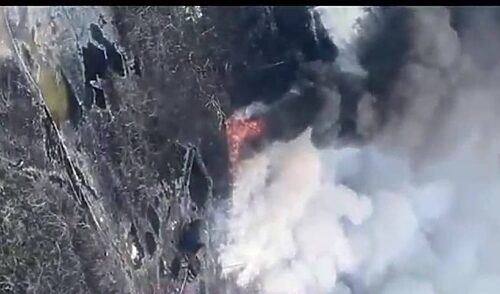

Illegal refining of crude oil has long plagued Nigeria's Niger Delta region, causing significant environmental damage, economic loss, and fueling criminal enterprises. Rivers State, a key oil-producing region, has been a hotspot for these illicit activities. In a recent decisive move, the Nigerian Air Force (NAF) conducted precision airstrikes targeting illegal refineries in Rivers State. This operation marks a critical step in the government’s efforts to combat oil theft and environmental degradation, restore order, and protect Nigeria’s oil resources. This article explores the details, implications, and broader context of this significant military action.
Background on Illegal Oil Refining in Rivers State
Illegal oil refining has been a persistent challenge in Rivers State, where crude oil spills and sabotage of pipelines have created opportunities for unlicensed operators to refine stolen crude. These illegal refineries often operate in remote areas, using rudimentary methods that cause severe environmental pollution and health hazards for local communities.
The illegal refining business not only results in massive economic losses for Nigeria’s oil sector but also undermines national security by funding criminal networks and militant groups. Rivers State, being a vital hub for Nigeria’s oil production, has experienced repeated incidents of sabotage and illegal refining, prompting calls for stronger government intervention.
The Nigerian government has launched multiple initiatives to curb illegal refining, but the scale and sophistication of the operations have made enforcement difficult. The recent airstrikes by the Nigerian Air Force represent a new level of military engagement aimed at decisively dismantling these illegal facilities.
Details of the Nigerian Air Force Airstrikes
The Nigerian Air Force deployed fighter jets to conduct targeted airstrikes on several illegal refinery sites located in Rivers State. These operations were based on intelligence reports identifying the locations and scale of illegal refining activities. The airstrikes were executed with precision to minimize collateral damage while effectively destroying the illegal installations.
According to official sources, the airstrikes resulted in the complete destruction of multiple illegal refineries, including storage tanks and crude oil processing equipment. The operation also targeted key supply routes used to transport stolen crude, disrupting the logistics network of illegal refiners.
The Air Force coordinated with other security agencies to ensure ground support and follow-up actions. The combined efforts aimed at preventing the re-establishment of illegal refineries and apprehending individuals involved in oil theft and sabotage.
Environmental Impact of Illegal Refineries in Rivers State
Illegal oil refining activities have devastating environmental consequences in Rivers State. The crude oil spills and gas flaring associated with these operations contaminate soil, water bodies, and air, threatening biodiversity and the health of local communities. The ecosystem damage often leads to loss of livelihoods, especially for farmers and fishermen.
These refineries typically lack proper waste management systems, leading to toxic waste discharge into rivers and farmland. This pollution not only affects human health but also disrupts aquatic life and agricultural productivity, exacerbating poverty in affected communities.
By targeting and destroying illegal refineries, the Nigerian Air Force’s airstrikes contribute to reducing ongoing environmental degradation. However, sustainable environmental restoration will require coordinated efforts among government agencies, local communities, and environmental organizations.
Economic Implications of Combating Illegal Refining
Illegal refining causes significant economic losses to Nigeria, estimated in the billions of dollars annually. Stolen crude oil bypasses official channels, resulting in lost government revenue and reduced foreign exchange earnings. The destruction of illegal refineries helps to protect these vital economic interests.
Furthermore, illegal refining undermines the formal oil sector by promoting black-market sales and discouraging legitimate investment. It also increases the risk of pipeline sabotage, which disrupts production and export activities, further harming Nigeria’s economy.
The airstrikes signal the government’s commitment to securing the oil industry and restoring investor confidence. This can encourage more investment in Nigeria’s oil infrastructure and support broader economic development goals.
Security and National Stability Considerations
Illegal oil refining is closely linked to criminal networks and militant groups in the Niger Delta region. These groups often use proceeds from oil theft to finance illegal activities, including kidnapping, militancy, and armed conflict. By targeting illegal refineries, the Nigerian Air Force is striking at the financial lifelines of such groups.
The destruction of illegal refining sites can weaken the operational capabilities of these criminal organizations and reduce violence in the region. It also demonstrates the government’s resolve to restore law and order, which is critical for long-term stability.
However, security experts caution that military action should be complemented by community engagement, economic development, and political dialogue to address the root causes of militancy and criminality in Rivers State and the wider Niger Delta.
Government and Community Reactions
The Nigerian government has welcomed the Air Force’s airstrikes as a major victory in the fight against oil theft and environmental degradation. Officials emphasized that such operations will continue until illegal refining is completely eradicated.
Local communities have expressed mixed reactions. While many residents support efforts to stop illegal refining due to its harmful impact, some fear that military actions could disrupt their livelihoods if not accompanied by alternative economic opportunities.
Community leaders and civil society groups are calling for inclusive approaches that combine enforcement with sustainable development initiatives to ensure that affected populations are not left behind in the crackdown on illegal refining.
Future Outlook and Recommendations
The Nigerian Air Force’s airstrikes are a significant step forward, but the fight against illegal refining requires sustained multi-sectoral efforts. Intelligence gathering, law enforcement, community engagement, and economic empowerment must work in tandem to eliminate illegal refining activities permanently.
Investing in pipeline security technology, improving surveillance, and fostering cooperation among security agencies will enhance the effectiveness of future operations. Additionally, providing alternative livelihoods for communities involved in illegal refining can reduce dependence on illicit activities.
Environmental remediation and restoration programs should be prioritized to heal the damage caused by decades of illegal refining. The government should also promote transparency and accountability in the oil sector to build public trust and ensure sustainable resource management.
Conclusion
The recent Nigerian Air Force airstrikes against illegal refineries in Rivers State mark a bold and necessary intervention in the longstanding battle against oil theft, environmental degradation, and criminality in the Niger Delta. While these operations have successfully dismantled numerous illegal facilities, lasting solutions require comprehensive strategies that integrate military enforcement with community development, environmental restoration, and robust governance. By sustaining these efforts, Nigeria can protect its vital oil resources, promote regional stability, and foster economic growth for the benefit of its people.
Originally reported by ceesty.com. Adapted for our readers.