
In a startling development that has captured national attention, a group of residents in Abuja forcibly entered a warehouse operated by the National Emergency Management Agency (NEMA) and looted food supplies. The warehouse, intended for emergency relief and humanitarian aid, was targeted amidst growing concerns over food scarcity and economic hardship in the region. This article delves into the details of the incident, its implications for Nigeria’s emergency management framework, and the broader socio-economic factors fueling such unrest.
The Incident: What Happened at the NEMA Warehouse?
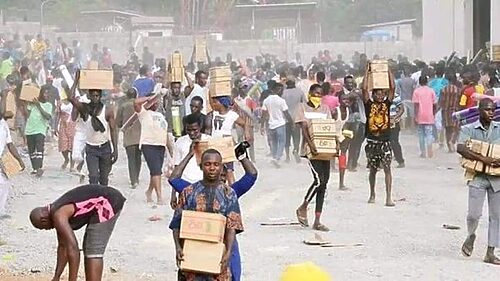
On a recent day in Abuja, a sizeable group of local residents reportedly broke into a NEMA warehouse, targeting stored food items. Eyewitness accounts describe a chaotic scene where the crowd overwhelmed security personnel to access the supplies. The warehouse, which is government-operated, typically stores emergency relief food items intended for distribution during natural disasters or humanitarian crises.
Authorities have confirmed the breach and looting, highlighting that the warehouse contained essential commodities such as rice, beans, and other staple foods. The event has sparked alarm among government agencies and the public, given the sensitive nature of the materials stored and their role in emergency response efforts.
The motivation behind the break-in appears to be linked to increasing food insecurity and economic pressure faced by many residents in Abuja. While no serious injuries were reported, the incident has raised urgent questions about security protocols at critical government facilities.
Background: The Role of NEMA and Its Warehouses
The National Emergency Management Agency (NEMA) is Nigeria’s primary governmental body responsible for disaster management and emergency response. One of its key functions is to maintain strategic reserves of food and relief materials in warehouses across the country to facilitate rapid deployment during crises.
NEMA warehouses are stocked with essential food items, medical supplies, and emergency equipment to assist vulnerable populations during floods, droughts, and other natural or man-made disasters. These reserves are critical to ensuring timely humanitarian aid and mitigating the impacts of emergencies.
Given the importance of these warehouses, they are typically secured under strict protocols. However, the recent breach in Abuja exposes vulnerabilities in the agency’s security measures and raises concerns about the safeguarding of emergency resources.
Social and Economic Factors Fueling the Looting
The looting incident cannot be viewed in isolation from the broader socio-economic challenges affecting Abuja and Nigeria at large. Rising inflation, unemployment, and food price hikes have intensified hardship for many residents, pushing some to desperate measures in search of sustenance.
Food insecurity has become an increasingly pressing issue, exacerbated by disruptions in supply chains, climate change impacts on agriculture, and economic instability. These factors have contributed to reduced access to affordable food, particularly for low-income communities.
The looting reflects a growing frustration among citizens who feel marginalized and neglected in times of crisis. It underscores the urgent need for government interventions that address both immediate food needs and the structural causes of poverty and hunger.
Government Response and Security Measures
In response to the warehouse breach, government officials have condemned the act and vowed to strengthen security around NEMA facilities. Investigations are underway to identify the organizers of the break-in and hold them accountable under the law.
The Nigerian police and other security agencies have increased patrols around emergency storage sites to prevent further incidents. Additionally, NEMA is reviewing its inventory and protocols to ensure better protection of critical relief materials.
Officials have also appealed to the public to avoid taking the law into their own hands and to cooperate with authorities in addressing food insecurity through lawful means. There is recognition that maintaining public order is essential for effective emergency management.
Implications for Emergency Management and Relief Efforts
The looting of NEMA’s warehouse has significant implications for the country’s disaster preparedness and response capabilities. The loss of stored food supplies limits the agency’s ability to provide timely relief during emergencies, potentially affecting vulnerable populations.
Such breaches undermine public trust in government institutions charged with safeguarding critical resources. If emergency reserves cannot be protected, the overall resilience of disaster response systems is compromised.
This event serves as a wake-up call for policymakers to invest in improved infrastructure, security technologies, and community engagement strategies that enhance the protection and effective use of emergency supplies.
Community Impact and Public Sentiment
The incident has sparked mixed reactions among Abuja residents. While some sympathize with those who looted out of desperation, others express concern about the lawlessness and potential long-term damage to emergency aid systems.
Community leaders have called for dialogue and peaceful solutions to address food insecurity, emphasizing the need for government support and social safety nets to prevent further unrest.
Public sentiment highlights the complexity of balancing humanitarian needs with maintaining order. The situation underscores the importance of inclusive policies that engage communities in disaster risk reduction and resource distribution.
Looking Ahead: Strategies to Prevent Future Incidents
Preventing future breaches requires a multifaceted approach that includes enhancing physical security at NEMA warehouses, such as installing surveillance systems, employing trained security personnel, and establishing rapid response teams.
Beyond security, addressing root causes of food insecurity is essential. This involves boosting agricultural productivity, stabilizing food prices, and expanding social welfare programs to support vulnerable groups.
Collaboration between government agencies, civil society, and local communities can foster trust and cooperation, creating a framework where emergency resources are safeguarded and equitably distributed during times of crisis.
Conclusion
The recent looting of a NEMA warehouse in Abuja is a stark reminder of the fragile balance between social stability and emergency preparedness. While the immediate concern is securing emergency food supplies, the underlying issues of food insecurity and economic hardship must be addressed to prevent recurrence. Strengthening security protocols, enhancing community relations, and implementing sustainable food security strategies are essential steps forward. As Nigeria navigates these challenges, collaborative efforts between government, communities, and stakeholders will be pivotal in safeguarding humanitarian resources and promoting resilience in times of crisis.
Originally reported by ceesty.com. Adapted for our readers.