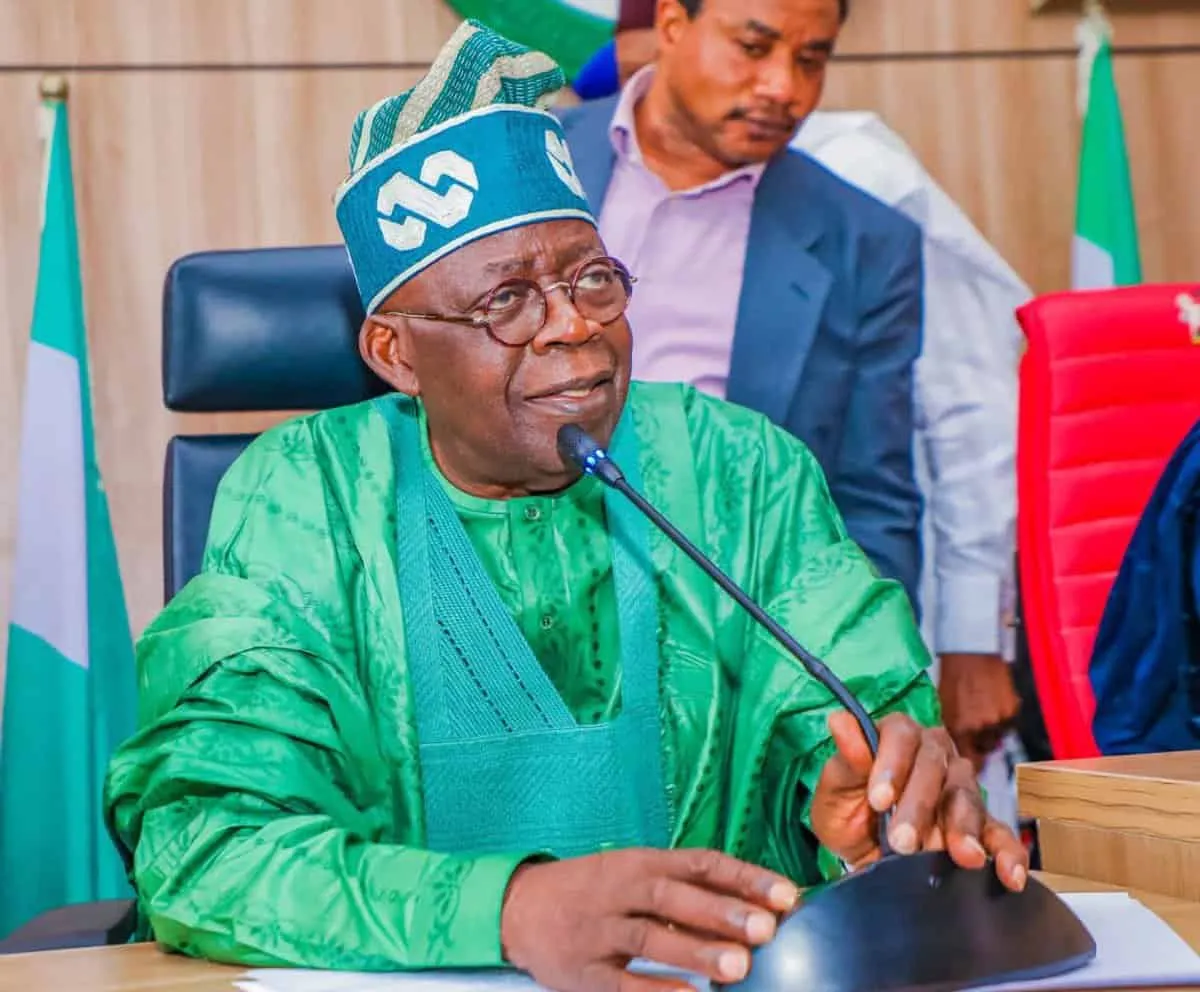

In a strategic move aimed at boosting Nigeria’s infrastructure development through enhanced public-private partnerships (PPPs), President Bola Tinubu has approved the appointment of Mr. Jobson Ewalefoh as the new Director-General of the Infrastructure Concession Regulatory Commission (ICRC). The announcement came via a press release by the President’s special adviser, Chief Ajuri Ngelale, and now awaits confirmation by the Nigerian Senate. This appointment reflects the government’s commitment to mobilizing private sector resources to address critical infrastructure challenges and accelerate national development. As Ewalefoh steps into this pivotal role, expectations are high for transformative leadership in managing Nigeria’s PPP framework and driving sustainable infrastructure growth.
The Significance of Ewalefoh’s Appointment
President Tinubu’s decision to appoint Jobson Ewalefoh as the new Director-General of the ICRC marks a crucial juncture in Nigeria’s infrastructure policy. The ICRC plays a central role in regulating and facilitating public-private partnerships, which are essential for bridging the country’s infrastructure funding gap. Ewalefoh’s leadership is expected to inject fresh energy and strategic direction into the commission’s mandate.
With Nigeria’s infrastructure deficit posing significant constraints on economic growth, the government’s emphasis on PPPs is a pragmatic approach to leverage private sector efficiency and capital. By elevating Ewalefoh, a professional with deep expertise in PPPs and development policy, the administration signals its intent to strengthen regulatory oversight and foster investor confidence.
The appointment also reflects a broader governmental effort to streamline infrastructure delivery mechanisms, improve transparency, and ensure that projects financed through PPP arrangements deliver value-for-money to Nigerians. Ewalefoh’s track record in managing complex projects positions him well to navigate the challenges and opportunities inherent in this sector.
Profile and Expertise of Jobson Ewalefoh
Mr. Jobson Ewalefoh is a seasoned professional whose career spans government, international development agencies, and regulatory bodies. His expertise encompasses public-private partnerships, public policy reforms, and sustainable development strategies, making him a well-rounded candidate to lead the ICRC.
Ewalefoh’s academic credentials are impressive, including a PhD in Development Studies from the University of South Africa (UNISA), alongside multiple master’s degrees in Economics, Management Information Technology, Public Administration, and Business Administration. His multidisciplinary background equips him with a robust understanding of the economic, technological, and administrative facets critical to infrastructure development.
Before his appointment as DG, Ewalefoh served as the head of the Public Private Partnership Resource Department at the ICRC, where he spearheaded initiatives to develop bankable federal PPP projects. His prior roles include founding the ICT Unit at ICRC and consulting for the United Nations Office on Drugs and Crime, where he contributed to anti-corruption efforts through technology deployment. His experience reflects a blend of technical acumen and strategic leadership.
Understanding the Role of the Infrastructure Concession Regulatory Commission
Established by the Infrastructure Concession Regulatory Commission (Establishment, etc.) Act of 2005, the ICRC is Nigeria’s principal agency responsible for regulating public-private partnerships in infrastructure development. Its mandate includes ensuring that PPP projects are effectively structured, implemented, and monitored to safeguard public interest.
The commission’s regulatory oversight extends across various sectors such as transportation, power, healthcare, education, and housing. By fostering an enabling environment for private sector participation, the ICRC helps mobilize investments that would otherwise be unattainable through public funding alone.
Over the years, the ICRC has guided numerous high-profile infrastructure projects, ensuring financial viability and public value. Despite challenges like regulatory bottlenecks and fluctuating investor confidence, the commission remains a cornerstone institution for Nigeria’s infrastructure agenda.
Challenges Facing the ICRC and Ewalefoh’s Mandate
The Nigerian infrastructure sector faces numerous hurdles, including inadequate funding, regulatory complexities, and limited private sector trust. The ICRC must navigate these challenges to create a more attractive investment climate for PPP projects.
Ewalefoh’s mandate includes addressing regulatory bottlenecks that have historically slowed project approvals and implementation. Streamlining processes and enhancing transparency will be critical to boosting investor confidence and accelerating project delivery timelines.
Moreover, ensuring strict compliance and accountability within PPP frameworks remains a top priority. Ewalefoh is expected to uphold high standards of probity, financial discipline, and ethical governance to safeguard the integrity of infrastructure projects and public resources.
The Impact of Ewalefoh’s Leadership on Public-Private Partnerships
Under Ewalefoh’s leadership, the ICRC is poised to deepen the integration of public-private partnerships as a key driver of infrastructural growth. His prior experience in managing PPP initiatives positions him to develop innovative models that balance risk and reward between the public and private sectors.
A focus on creating bankable projects that deliver tangible benefits to Nigerians will be central to his strategy. Ewalefoh’s approach emphasizes value-for-money, sustainable development, and inclusive infrastructure solutions that cater to diverse regional needs.
By leveraging his expertise and the ICRC’s institutional capacity, Ewalefoh can help unlock new investment flows, enhance project execution quality, and contribute to the country’s broader economic diversification and growth objectives.
The Broader Implications for Nigeria’s Infrastructure Development
The appointment of a highly qualified DG like Ewalefoh underscores the Nigerian government’s recognition of infrastructure as a critical enabler of national development. Improved infrastructure directly impacts economic productivity, social welfare, and global competitiveness.
Successful execution of PPP projects under Ewalefoh’s stewardship can stimulate job creation, foster regional integration, and enhance access to essential services such as electricity, transportation, and healthcare. This, in turn, can improve living standards and reduce poverty.
Furthermore, a robust PPP framework can attract foreign direct investment, catalyze technological transfer, and promote sustainable urbanization, aligning Nigeria with global best practices in infrastructure management.
Next Steps: Senate Confirmation and Expectations
While President Tinubu has approved Jobson Ewalefoh’s appointment, it remains subject to confirmation by the Nigerian Senate. This legislative process is crucial in validating his suitability and ensuring legislative oversight of the ICRC leadership.
Stakeholders across the public and private sectors are closely monitoring the confirmation process, hopeful that Ewalefoh’s appointment will usher in a new era of efficiency and transparency at the commission. The Senate’s endorsement will empower him to implement reforms decisively.
Following confirmation, Ewalefoh will be expected to immediately engage with key industry players, government agencies, and development partners to align strategies and fast-track priority infrastructure projects critical to Nigeria’s development agenda.
Looking Ahead: The Future of Nigeria’s Infrastructure Landscape
With Jobson Ewalefoh at the helm, the ICRC has the opportunity to redefine Nigeria’s approach to infrastructure financing and delivery. His leadership could set new standards for public-private collaboration, project management, and regulatory excellence.
The success of his tenure will be measured by the commission’s ability to attract sustainable investments, reduce project delays, and enhance service delivery across sectors. If successful, this will have a transformative impact on Nigeria’s economic trajectory.
Ultimately, the appointment is a call to action for stakeholders to rally behind a shared vision of a modern, resilient, and inclusive infrastructure system that supports Nigeria’s aspirations for growth and development.
Conclusion
The appointment of Jobson Ewalefoh as Director-General of the Infrastructure Concession Regulatory Commission represents a strategic milestone in Nigeria’s quest to revitalize its infrastructure sector through effective public-private partnerships. With his proven expertise and comprehensive understanding of PPP frameworks, Ewalefoh is well-positioned to lead transformative reforms that will enhance regulatory efficiency, attract investment, and ensure the successful execution of critical infrastructure projects. As Nigeria navigates the complex challenges of infrastructure financing and delivery, the leadership of the ICRC will be instrumental in fostering a collaborative environment that benefits all stakeholders. The nation eagerly awaits the Senate’s confirmation and the positive outcomes that are anticipated under Ewalefoh’s stewardship, which could significantly contribute to Nigeria’s socio-economic development and long-term prosperity.
Originally reported by nairametrics.com. Adapted for our readers.