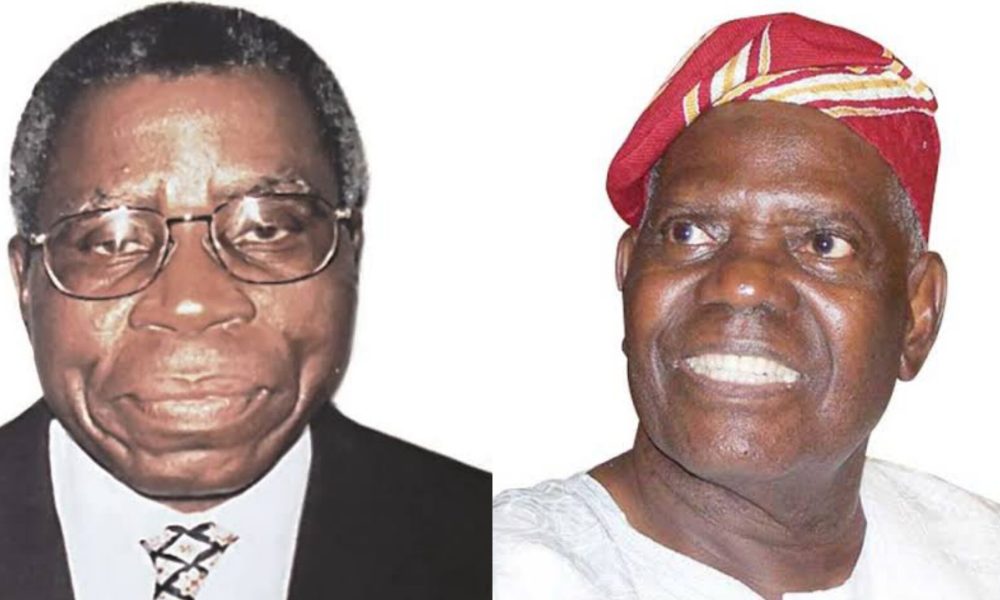

The assassination of Chief Bola Ige on December 23, 2001, remains one of Nigeria’s most haunting political tragedies. As a revered intellectual, statesman, and former Attorney General, Ige’s death sent shockwaves throughout the nation. Decades later, fresh insights have emerged from Chief Bisi Akande, a longtime ally and former governor of Osun State, suggesting that critical information about the case may lie with Rashidi Ladoja, former governor of Oyo State. This article delves deep into the circumstances surrounding Bola Ige’s murder, the political dynamics at play, and the unresolved questions that continue to perplex Nigerians.
The Life and Legacy of Chief Bola Ige
Chief Bola Ige was a towering figure in Nigerian politics, renowned for his intellect, integrity, and unwavering commitment to democracy. Serving as Attorney General and Minister of Justice under President Olusegun Obasanjo’s administration, Ige was a vocal advocate for justice and the rule of law. His political journey was marked by both triumphs and challenges, navigating the turbulent waters of Nigerian politics with steadfast resolve.
Beyond his official roles, Ige was deeply respected as a statesman and thinker. He was known for his eloquence and principled stands, often championing the rights of minorities and promoting democratic governance. His dedication earned him admiration across political divides, making his assassination not just a political loss but a national tragedy that struck at the heart of Nigeria’s democratic aspirations.
Despite his stature, Ige’s political career was fraught with tension, especially given his opposition to certain elements within the ruling Peoples Democratic Party (PDP). His decision to join Obasanjo’s cabinet was seen as a strategic move by some and a betrayal by others. This complex political backdrop set the stage for the tragic events that would unfold on that fateful December night.
Bisi Akande: A Trusted Ally Speaks Out
Chief Bisi Akande, former governor of Osun State and a prominent leader within the Alliance for Democracy (AD), has long been a close associate of Bola Ige. In recent interviews, Akande has provided candid reflections on the political climate surrounding Ige’s assassination and the subsequent investigations. His insights carry considerable weight given his intimate knowledge of the key political players and events.
Akande has expressed profound disappointment over the handling of the case by the federal government, accusing the Obasanjo administration of lacking the political will to resolve the murder. He described the killing as a ‘state murder,’ implying that powerful interests within the government orchestrated the assassination to stifle Ige’s growing influence and dissent.
In his reflections, Akande revealed that Ige had confided in him about his intentions to resign from the cabinet, a move foreshadowing his tragic end. Akande’s narrative paints a picture of a man caught in a perilous political crossfire, whose death was both a warning and a silencing of a formidable voice in Nigerian politics.
The Enigmatic Role of Rashidi Ladoja
One of the most intriguing aspects of the Bola Ige murder case is the involvement of Rashidi Ladoja, former governor of Oyo State. According to Akande, Ladoja may hold crucial information related to the assassination, particularly concerning legal proceedings initiated by his predecessor, Lam Adesina. The case was taken to court but was mysteriously withdrawn after Ladoja assumed office, raising questions about his motivations.
Akande’s pointed suggestion that ‘Ladoja might know more than I do’ has reignited public interest and speculation. Why did Ladoja withdraw the case? Was this a political maneuver, or were there other pressures at play? These questions remain unanswered, fueling theories about a possible cover-up or complicity within political circles.
The withdrawal of the case under Ladoja’s administration represents a significant missed opportunity to uncover the truth. It underscores the complexities of Nigerian politics, where justice is often entangled with power struggles and shifting allegiances. The continued silence on this matter only deepens the mystery surrounding Ige’s assassination.
Political Intrigue and the Obasanjo Administration
The Obasanjo administration’s role in the aftermath of Bola Ige’s assassination has been a subject of intense scrutiny. Ige’s decision to join the government was controversial, given his opposition background and the skepticism from his political allies. Despite this, leaders within the Alliance for Democracy, including Akande, encouraged him to accept the ministerial position, believing it would benefit the Yoruba political movement.
However, the alliance proved fragile. Ige’s tenure in the cabinet was marked by political isolation and frustration. His transfer from the Ministry of Power to the Ministry of Justice shortly before his death has been interpreted by some as a demotion or a strategic sidelining. This move, coupled with his reported desire to resign, paints a picture of a man increasingly at odds with the administration’s direction.
Akande’s assertion that the murder was ‘in anticipation of what he might become in the future’ implicates the government in orchestrating the assassination to neutralize a perceived threat. This allegation, while unproven, reflects widespread suspicions about the political motivations behind the killing and the administration’s lack of transparency in pursuing justice.
The Unfolding of the Night: December 23, 2001
The night of December 23, 2001, marked a dark chapter in Nigeria’s political history. Bola Ige was brutally assassinated in his home, sending shockwaves through the nation and the international community. The circumstances of his death remain shrouded in mystery, with conflicting accounts and limited progress in investigations over the years.
Prior to his assassination, Ige had reportedly been targeted by political thugs and subjected to public humiliation, including an incident where his cap was snatched during a political rally—a symbolic act of disrespect and intimidation. These events signaled rising tensions and foreshadowed the violent end to his life.
Despite the gravity of the crime, the investigation was hampered by political interference and lack of cooperation from key figures. Akande’s candid reflections highlight how the case was effectively stalled, leaving many questions unanswered and justice elusive. The assassination remains a painful reminder of the dangers faced by political reformers in Nigeria.
The Aftermath and Calls for Justice
In the years following Bola Ige’s assassination, there have been persistent calls for accountability and justice from civil society, political leaders, and human rights activists. However, progress has been slow and fraught with challenges, including political obstruction and the fading of public interest over time.
Bisi Akande’s recent comments have reignited public discourse, emphasizing the need to revisit the case and pursue the truth. His suggestion that Rashidi Ladoja should be questioned underscores the importance of transparency and political courage in addressing unresolved crimes of national significance.
The enduring legacy of Bola Ige’s murder is a testament to the urgent need for reforms in Nigeria’s justice system and political culture. Without addressing these systemic issues, similar tragedies may continue to occur, undermining the nation’s democratic development and public trust.
Bola Ige’s Memoir: A Lost Opportunity
Before his untimely death, Bola Ige had been advised by friends and allies to focus on writing his memoir rather than engaging in social and political events. This advice reflected an understanding of the risks he faced amid the volatile political environment. Sadly, Ige never had the chance to document his experiences and insights.
A memoir from Ige could have provided invaluable firsthand accounts of Nigeria’s political landscape during a critical period. It might have shed light on the internal dynamics within the Obasanjo administration, the opposition’s struggles, and the personal challenges he faced. Such a work would have enriched Nigeria’s historical record and contributed to national healing.
The absence of this memoir leaves a gap in the collective memory of Nigeria’s democratic journey. It also symbolizes the silencing of a vital voice that could have inspired future generations to pursue justice and political reform with greater determination.
The Path Forward: Seeking Truth and Reconciliation
The unresolved nature of Bola Ige’s assassination continues to haunt Nigeria’s political consciousness. To move forward, there is a pressing need for renewed investigations, political will, and a commitment to transparency from all stakeholders. This includes revisiting the roles of key figures such as Rashidi Ladoja and ensuring that justice is not compromised by political expediency.
Civil society organizations, media, and the public must sustain pressure on authorities to reopen the case and conduct a thorough, impartial inquiry. Such efforts are essential to uphold the rule of law and prevent the recurrence of political violence that threatens Nigeria’s democracy.
Ultimately, the pursuit of truth and reconciliation in this case represents more than just solving a murder; it is about restoring faith in Nigeria’s institutions and honoring the legacy of leaders like Bola Ige who sacrificed for the nation’s progress. Only through collective resolve can the wounds of the past begin to heal.
Conclusion
The assassination of Chief Bola Ige remains a painful and unresolved chapter in Nigeria’s political history. Through the revelations of Chief Bisi Akande, new light has been shed on the murky circumstances surrounding the murder and the possible roles played by key political figures like Rashidi Ladoja. While decades have passed, the quest for justice and truth continues to resonate deeply within Nigerian society. Addressing these unresolved issues is crucial not only for honoring Ige’s legacy but also for strengthening Nigeria’s democratic foundations. As the nation reflects on this tragedy, it must summon the courage and determination to confront past injustices and pave the way for a more transparent and accountable political future.