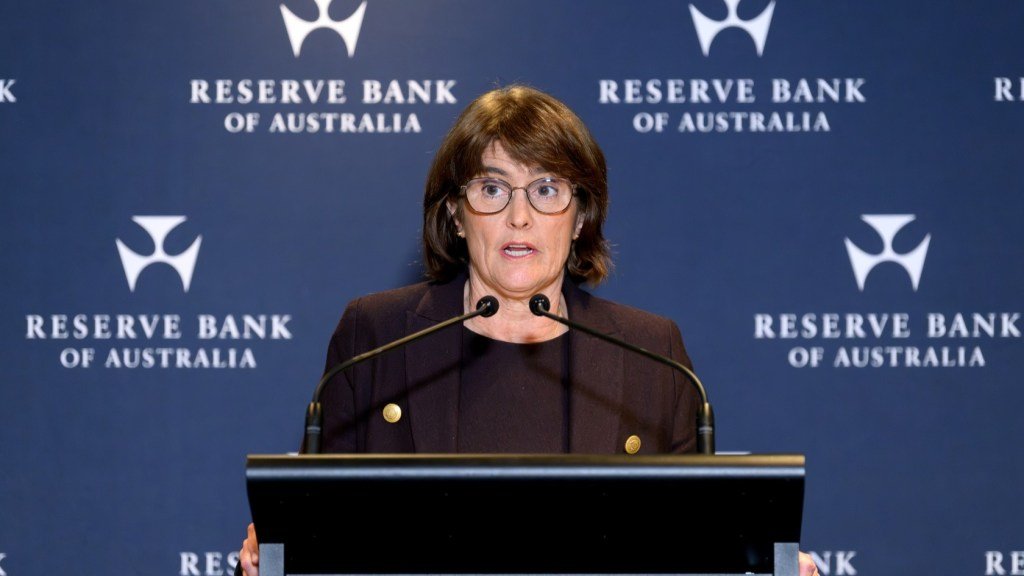

The Reserve Bank of Australia (RBA) has long been a pivotal institution shaping the country’s economic landscape. However, recent policy decisions, particularly under the stewardship of Governor Michele Bullock, have raised serious concerns about the bank’s judgment and responsiveness. With interest rates held stubbornly high despite mounting evidence of economic strain, the RBA's approach has been widely condemned as both misguided and damaging. This article explores the ramifications of the RBA’s monetary policy missteps, highlighting the real-world consequences for Australian workers, businesses, and families. It also scrutinizes the apparent lack of accountability and the bank’s reluctance to adapt to shifting economic realities.
The Faltering Jobs Market: A Direct Result of RBA’s Poor Decisions
The Australian jobs market has shown unmistakable signs of weakening, a trend closely linked to the Reserve Bank’s recent monetary policy choices. By maintaining high interest rates despite clear indicators of economic slowdown, the RBA has contributed to a decline in demand, which in turn has hurt employment growth. The June jobs report from the Australian Bureau of Statistics revealed a mere 2,000 new jobs created, following a loss of 1,000 jobs in May. The unemployment rate rose to 4.3%, its highest in over three and a half years, signaling distress in the labor market.
More concerning is the shift from full-time to part-time employment, a classic employer response to reduced demand. The ABS data highlighted a fall of 38,000 full-time jobs offset by a 40,000 increase in part-time roles, reflecting a workforce adjustment that is only sustainable in the short term. If economic conditions do not improve, further job losses are inevitable, affecting the financial stability of countless Australian families.
The rising participation rate to 67.1% might seem positive at first glance, but it masks underlying difficulties. Many of those entering the workforce, particularly women, are doing so out of necessity rather than choice, compelled by the need to offset the financial burdens imposed by high-interest rates. This increase in labor supply exacerbates unemployment figures, intensifying the economic challenges faced by ordinary Australians.
Economic Indicators Paint a Grim Picture Amid RBA’s Inaction
Beyond employment statistics, other economic indicators are signaling deteriorating conditions. The National Australia Bank (NAB) June quarter business survey, a respected gauge of business sentiment, reported that business conditions had dropped to their lowest since the third quarter of 2020. This decline was driven primarily by falls in trading and employment components, underscoring a broad-based weakening across the economy.
Retail and manufacturing sectors, in particular, have suffered significant setbacks. Retail conditions were described as the weakest, a critical concern given the sector’s role in consumer spending and overall economic health. Meanwhile, manufacturing and wholesale industries also faced challenges, reflecting the widespread impact of the RBA’s monetary stance on various facets of the economy.
Although some sectors like mining, transport, and business services showed marginal improvements, these gains are insufficient to offset the broader downturn. The persistent weakness in profitability and the ongoing pressure from wage costs further dampen business confidence, making recovery prospects uncertain as long as the RBA maintains its current policy approach.
The Cost of Stubbornness: RBA’s Reluctance to Adjust Interest Rates
The Reserve Bank’s decision to hold interest rates steady on July 8, despite mounting evidence of economic strain, exemplifies a troubling rigidity. This stance has frustrated economists, businesses, and everyday Australians alike, who see the bank’s inaction as a failure to respond to clear signals that the economy is faltering. The RBA’s adherence to outdated policy frameworks suggests a disconnect between the institution and the realities faced by the public.
Interest rates remain at levels that many consider punitive, especially for households grappling with mortgage repayments and rising living costs. The bank’s reluctance to reduce rates undermines consumer confidence and spending, further constraining economic growth. This stubborn approach risks deepening the downturn by prolonging financial stress across communities.
Moreover, the lack of transparency and accountability compounds public frustration. The monetary policy board members, including Governor Bullock, face no direct consequences for their decisions, despite the evident harm caused. This absence of responsibility fuels perceptions of cowardice and incompetence, eroding trust in one of Australia’s most critical economic institutions.
The Human Impact: How Ordinary Australians Bear the Brunt
While economic data and policy debates often seem abstract, the real effects of the RBA’s decisions are felt deeply by everyday Australians. Families are confronting higher mortgage repayments and increased cost-of-living pressures, forcing many to make difficult financial sacrifices. The shift from full-time to part-time employment reduces income stability and long-term security for workers, heightening anxiety about the future.
Women, in particular, have been disproportionately affected, with many entering the workforce not out of choice but necessity. This shift reflects broader social and economic pressures, as families struggle to meet rising expenses amid stagnant wages and high-interest costs. Such dynamics exacerbate inequality and strain social support systems.
Small and medium-sized businesses also face mounting challenges. Reduced consumer demand and rising operational costs squeeze profit margins, leading to hiring freezes or layoffs. The cumulative effect is a weakened economy where growth is stifled, innovation slows, and opportunities diminish for many Australians.
Accountability and Transparency: The Missing Elements at the RBA
One of the most glaring issues with the Reserve Bank’s recent policy approach is the lack of accountability. Despite clear evidence that their decisions have adversely impacted the economy, the monetary policy board members remain insulated from public scrutiny and consequences. This detachment undermines democratic principles and erodes public trust in economic governance.
Transparency in decision-making processes is equally lacking. The RBA’s explanations for maintaining high interest rates often rely on vague references to 'needing more information' or 'monitoring economic data,' which can appear as excuses rather than reasoned justifications. This opacity frustrates stakeholders who seek clarity and reassurance about the bank’s strategy.
Calls for reform to increase oversight and accountability have intensified. Many argue for greater parliamentary scrutiny of the RBA’s actions and more direct communication with the public. Without such measures, the perception of the bank as an unaccountable and disconnected institution is likely to persist, further damaging its credibility.
The Role of Leadership: Michele Bullock’s Controversial Tenure
Governor Michele Bullock’s tenure has been marked by contentious decisions that many believe have exacerbated economic challenges. Her leadership during a period of rising inflation and economic uncertainty has been criticized for a perceived lack of responsiveness and empathy toward the Australian public’s hardships.
Bullock’s refusal to lower interest rates in the face of deteriorating economic indicators has drawn sharp criticism. Observers note that her approach appears overly cautious to the point of being counterproductive, prioritizing theoretical economic stability over practical relief for struggling households and businesses.
Questions about whether Bullock will issue an apology or acknowledge the bank’s missteps remain unanswered. As the RBA faces increasing pressure to cut rates, the governor’s response will be pivotal in shaping public perception and the institution’s future role in Australia’s economic recovery.
Looking Ahead: The Urgent Need for Policy Recalibration
The economic data and public sentiment point to an urgent need for the RBA to recalibrate its monetary policy. Continuing to hold high interest rates in the face of weakening demand risks deepening the downturn and prolonging hardship for millions of Australians. A more flexible, responsive approach is essential to support recovery and stability.
Rate cuts appear increasingly necessary to stimulate consumer spending, boost business confidence, and reduce financial stress on households. While inflation remains a concern, the balance of risks now favors easing rather than tightening monetary conditions. Ignoring this shift could result in a more severe and prolonged recession.
Effective communication and transparency will be critical as the RBA moves forward. Rebuilding trust with the public requires clear explanations of policy decisions, acknowledgment of past errors, and a commitment to prioritizing the well-being of ordinary Australians over rigid adherence to outdated economic models.
Public Response and the Path to Economic Resilience
The Australian public’s response to the RBA’s policies has been one of frustration and skepticism. Many feel their concerns are ignored by an institution perceived as out of touch with real-world challenges. This disconnect threatens social cohesion and the legitimacy of economic governance.
Grassroots movements, media commentary, and political discourse increasingly call for reforms to ensure the RBA serves the interests of the broader population. Engaging citizens in economic policymaking and enhancing institutional accountability could foster greater public confidence and more effective outcomes.
Ultimately, Australia’s economic resilience depends on aligning monetary policy with the lived experiences of its people. The RBA must listen, adapt, and act decisively to support growth, employment, and financial security, restoring faith in the institution as a guardian of the nation’s prosperity.
Conclusion
The Reserve Bank of Australia’s recent monetary policy decisions, characterized by stubbornness and a lack of accountability, have inflicted significant harm on the nation’s economy and its people. The persistent maintenance of high interest rates in the face of clear economic deterioration has led to job losses, reduced business confidence, and increased financial strain on households. Governor Michele Bullock and the monetary policy board must recognize the consequences of their inaction and take decisive steps to rectify their mistakes. For Australia to regain economic stability and prosperity, the RBA must embrace transparency, accountability, and responsiveness, prioritizing the well-being of ordinary Australians over rigid policy dogma. Without such change, the bank risks further eroding public trust and deepening the country’s economic challenges.
Originally reported by crikey.com.au. Adapted for our readers.