
Nigeria’s highways have become increasingly perilous, as recent data from the Federal Road Safety Corps (FRSC) reveal a significant spike in fatal road crashes during the first quarter of 2025. With 2,650 crashes resulting in 1,593 deaths and over 9,000 injuries, the nation faces a deepening road safety crisis. This surge highlights longstanding challenges such as poor road infrastructure, reckless driving, and inadequate enforcement of traffic regulations. This article delves into the factors behind the rising fatalities, examines the most affected routes, and discusses potential solutions to enhance safety on Nigerian roads.
Alarming Statistics from the First Quarter of 2025
According to the Federal Road Safety Corps (FRSC), Nigeria recorded 2,650 road traffic crashes from January to March 2025. These incidents resulted in 1,593 deaths and 9,298 injuries, marking an 8.3% increase in fatalities and a 7.4% rise in injuries compared to the same period in 2024. These statistics underscore a disturbing trend of worsening road safety conditions across the country.
The spike is particularly notable given that the FRSC has been actively involved in road safety campaigns and enforcement. However, despite these efforts, the severity and frequency of accidents appear to be escalating, indicating that existing measures may be insufficient to tackle the root causes effectively.
The first quarter’s data also reveal that certain highways are disproportionately affected, with some routes recording multiple fatal crashes within short spans of time. This concentration of accidents on specific corridors calls for targeted interventions to address the unique challenges presented by these roads.
High-Risk Corridors and Notable Incidents
The Jos–Lafia–Makurdi corridor emerged as one of the deadliest routes, with 1,539 lives lost in just the first three months of 2025. This grim statistic reflects the high-risk nature of this highway, often attributed to heavy traffic, poor road conditions, and reckless driving behaviors.
Several tragic incidents highlight the dangers faced by commuters. For example, a bus crash in Plateau State on January 11 claimed 19 lives and injured 11 others. Similarly, a trailer-truck collision in Ilorin, Kwara State, on January 22 resulted in 18 fatalities.
Other fatal crashes include a collision and fire on the Ore–Lagos Road in Ondo State on February 1 that killed 30 people, and a collision in Kano on February 14 involving a trailer and goods vehicle which caused 23 deaths and 48 injuries. These incidents illustrate the deadly consequences of poor safety practices and infrastructure deficits.
Human Factors Driving the Surge in Fatal Crashes
Human error remains the leading cause of road crashes in Nigeria. Reckless behaviors such as speeding, wrong-way driving, and dangerous overtaking are frequently reported as contributing factors in fatal accidents. These violations often stem from impatience, lack of awareness, or disregard for traffic laws.
Fatigue among commercial drivers is another critical issue. Long hours on the road without adequate rest lead to diminished concentration and slower reaction times, increasing the risk of crashes. Many drivers also operate overloaded vehicles, compounding the danger.
The consumption of alcohol and other substances by some drivers further exacerbates the problem. Despite laws prohibiting impaired driving, enforcement gaps allow such risky behaviors to persist, putting all road users at risk.
Infrastructure Challenges and Their Impact
Poor road infrastructure significantly contributes to the rising number of accidents. Many Nigerian highways suffer from potholes, lack of proper signage, and inadequate lighting, forcing drivers into hazardous maneuvers to avoid damage or navigate unsafe conditions.
The rainy season intensifies these challenges, as waterlogged roads and reduced visibility increase the likelihood of crashes. Flooded or damaged sections of roads can cause vehicles to skid or lose control, particularly on already compromised routes.
Insecurity along some highways also forces drivers to take detours through unpaved or poorly maintained roads. These alternative routes often lack safety features, increasing the risk of accidents and delays that can lead to driver fatigue.
Role of Fuel Tankers and Heavy Vehicles in Road Safety
Fuel tankers and heavy trucks have been involved in numerous fatal crashes in Nigeria. Incidents of tanker containers dropping onto passenger vehicles or pedestrians cause widespread casualties and destruction. Overloading of tankers worsens the problem by making vehicles harder to control and more prone to accidents.
Fires resulting from fuel tanker crashes often lead to catastrophic loss of life and property. The combustible nature of the cargo means that collisions can quickly escalate into infernos, endangering not only drivers but also residents near accident sites.
Experts emphasize the need for stricter regulations on tanker loading, better driver training, and enhanced vehicle maintenance to mitigate these risks. Oil marketing companies must adhere to loading standards to prevent overloading and ensure safer transit of hazardous materials.
Efforts by FRSC and Safety Advocates
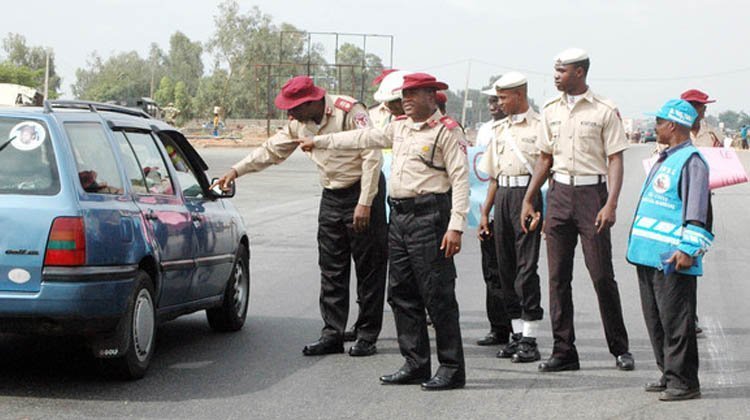
The FRSC has been at the forefront of road safety enforcement and education in Nigeria. Their initiatives include regular patrols, checkpoints, and public awareness campaigns aimed at reducing traffic violations and promoting safe driving habits.
Safety advocates stress the importance of community-level engagement to change driver behavior and increase compliance with traffic laws. Educational programs targeting both commercial and private drivers can foster a culture of safety on the roads.
However, enforcement alone is not enough. Advocates call for improved road infrastructure, better emergency response systems, and harsher penalties for traffic offenders to serve as deterrents against reckless driving.
Anticipated Challenges Ahead and Recommendations
As Nigeria approaches the rainy season, experts warn of a potential surge in road crashes due to deteriorating road conditions and reduced visibility. Drivers need to exercise greater caution, and authorities must intensify monitoring and maintenance efforts.
Recommendations include accelerated road repairs, installation of adequate signage, and enhanced training for commercial drivers. Additionally, the government should invest in technologies such as speed cameras and breathalyzers to improve enforcement efficiency.
Collaboration among government agencies, private sector stakeholders, and communities is essential to develop sustainable solutions. Public-private partnerships could help finance infrastructure upgrades and support comprehensive road safety programs.
Conclusion
The rising tide of fatal road crashes in Nigeria is a stark reminder of the urgent need for comprehensive road safety interventions. While human error remains a significant factor, underlying issues such as poor infrastructure, inadequate enforcement, and risky behaviors must be addressed in tandem. Strengthening the capacity of the Federal Road Safety Corps, improving road conditions, and fostering a culture of responsible driving are critical steps toward saving lives. As Nigeria navigates the challenges of the rainy season and increasing traffic volumes, coordinated efforts from government agencies, private stakeholders, and communities will be essential to stem the growing crisis and ensure safer journeys for all road users.