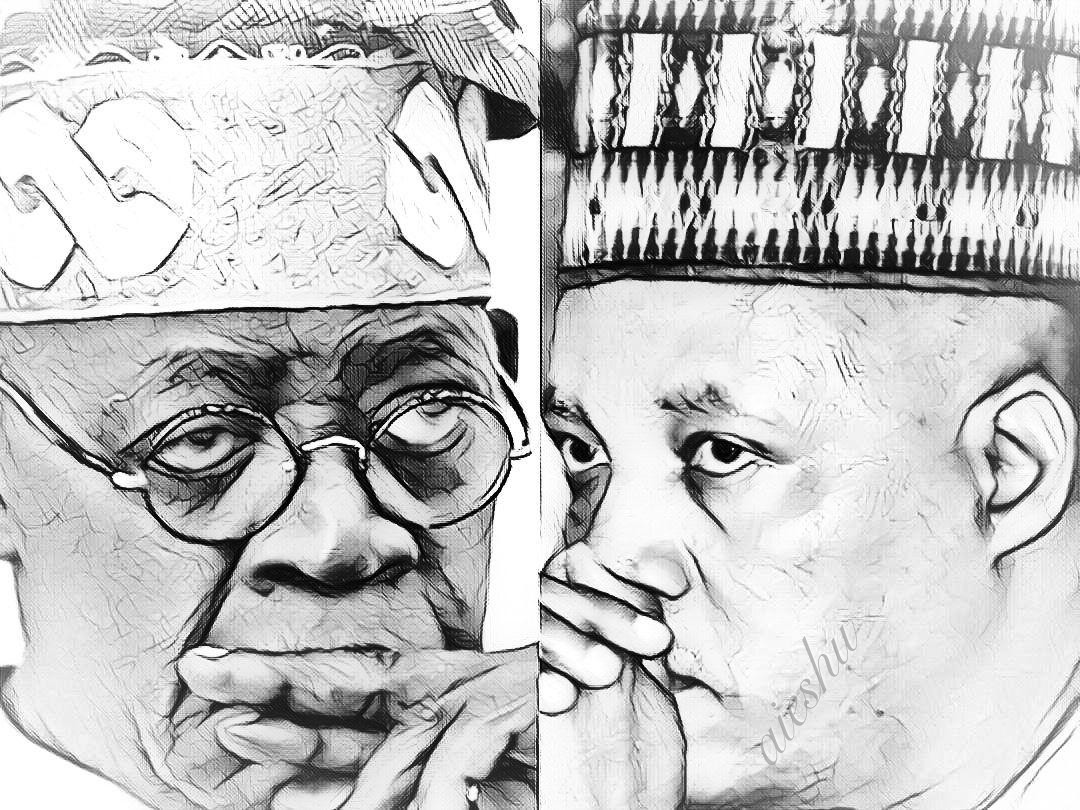

In Nigeria’s multifaceted political arena, personal gestures often carry profound political messages. Recently, President Bola Ahmed Tinubu’s heartfelt birthday tribute to Vice President Kashim Shettima has drawn significant attention, symbolizing more than mere courtesy. This article delves into the nuanced relationship between Tinubu and Shettima, exploring the political undercurrents, regional considerations, and the broader implications for Nigeria’s governance and unity. Understanding this dynamic is crucial to grasping the future trajectory of Nigerian politics and the delicate balance of power.
The Political Backdrop: Tinubu and Shettima’s Alliance
The political partnership between Bola Ahmed Tinubu and Kashim Shettima is rooted in Nigeria’s complex ethno-religious and regional realities. Tinubu, a dominant political figure from the South-West, secured his 2023 presidential victory largely through a coalition that included strong Northern support, a region where Shettima holds significant influence. This alliance was instrumental in bridging the divide between Nigeria’s diverse geopolitical zones and religious groups.
Shettima’s role as former governor of Borno State and his reputation as a moderate leader made him an ideal vice-presidential candidate. His backing helped consolidate Tinubu’s appeal across the Northern Muslim electorate, an essential demographic for electoral success. The partnership was therefore not only strategic but also symbolic, representing an attempt to unify Nigeria’s fractured political landscape.
However, political alliances in Nigeria are often fluid, and the Tinubu-Shettima relationship has faced challenges. Despite their initial cooperation, there have been undercurrents of tension and speculation about Shettima’s diminishing influence within the administration, raising questions about the sustainability of their alliance.
Shettima’s Role in Tinubu’s Administration: Visibility and Influence
Since the inauguration of the Tinubu administration, Vice President Shettima’s public profile has notably diminished compared to expectations. Traditionally, Nigerian vice presidents have wielded considerable influence through clearly defined portfolios and responsibilities. In contrast, Shettima’s mandate appears less distinct, with many key agencies and functions centralized under President Tinubu and his inner circle based in Lagos.
This marginalization has sparked speculation regarding Shettima’s political relevance and the administration’s power dynamics. Observers note that Shettima’s involvement in national security, economic reforms, and regional affairs has been limited, which contrasts sharply with his active leadership style as governor and his crucial role in the 2023 election.
The sidelining of such a pivotal figure risks alienating important constituencies, particularly in the North, where Shettima’s influence and moderate voice are vital. The administration’s approach to managing this relationship may significantly impact national cohesion and the perception of inclusivity within the government.
Ethno-Religious Sensitivities and the 2027 Political Equation
Nigeria’s political landscape is deeply intertwined with ethno-religious identities, making the selection of running mates and key officials a delicate balancing act. Speculation about whether Shettima will remain Tinubu’s running mate in the 2027 elections has stirred debate, reflecting broader anxieties about representation and power sharing among Nigeria’s diverse groups.
Replacing Shettima with another Muslim candidate risks provoking backlash from those who see such a move as perpetuating religious monopolies in political offices. Conversely, choosing a Christian running mate could upset Northern Muslim constituencies, who may feel marginalized given the perceived dominance of Southern Christians, especially those of Yoruba descent, in key security and economic sectors.
Shettima’s position as a Northern Muslim with a reputation for moderation and political resilience makes him a critical bridge in this sensitive equation. His presence helps maintain the fragile balance necessary for national unity and electoral viability, underscoring the political weight of Tinubu’s decisions regarding his vice president’s future.
Tinubu’s Birthday Tribute: Symbolism and Political Messaging
On September 2, 2025, President Tinubu’s personal birthday tribute to Vice President Shettima was more than a customary gesture; it was a politically charged communication. The message highlighted Shettima’s courage, loyalty, and tenacity, emphasizing their shared commitment to Nigeria’s progress under the Renewed Hope Agenda—Tinubu’s vision for economic reform and social development.
Tinubu’s praise for Shettima as a loyal partner and a unifying figure across regions and traditions sends a strong signal to political stakeholders. It suggests a potential reset in their relationship, aiming to dispel rumors of discord and reaffirm the administration’s commitment to inclusivity and collaborative governance.
The tribute also serves as a strategic move to reassure Shettima’s supporters and the broader Northern electorate of their continued relevance within the ruling coalition, thereby maintaining political stability and cohesion at a time of heightened uncertainty.
The Renewed Hope Agenda and Shettima’s Contributions
The Renewed Hope Agenda is President Tinubu’s flagship initiative aimed at transforming Nigeria’s economy and governance through strategic reforms and partnerships. Vice President Shettima’s involvement in this agenda is crucial, given his experience in governance and his understanding of Northern Nigeria’s challenges and potentials.
Shettima’s background as a leader who has championed inclusive development and security in Borno State positions him well to contribute meaningfully to national policies addressing insurgency, poverty, and infrastructural deficits. His moderate stance and ability to engage diverse stakeholders complement Tinubu’s vision for a united Nigeria.
Despite the current ambiguity surrounding his formal portfolio, Shettima’s behind-the-scenes influence and counsel remain valuable to the administration’s efforts to implement the Renewed Hope Agenda effectively, particularly in regions that have historically felt marginalized.
Challenges Ahead: Managing Internal Rivalries and Public Perceptions
The political environment within the Tinubu administration is marked by competing interests and regional rivalries, which complicate governance and policy implementation. The perceived sidelining of Shettima has fueled speculation about internal power struggles, particularly between the Lagos-based “kitchen cabinet” and other factions.
Public perception is equally critical, as Nigeria’s electorate is sensitive to issues of regional representation, religious balance, and government inclusiveness. Any visible discord or exclusion risks eroding trust and exacerbating ethno-religious tensions, potentially destabilizing the political landscape ahead of the 2027 elections.
Addressing these challenges requires deliberate efforts to re-engage Shettima and his supporters, ensuring that governance reflects Nigeria’s diversity and that all regions feel adequately represented in decision-making processes.
Looking Forward: The Future of the Tinubu-Shettima Partnership
The future of the Tinubu-Shettima partnership hinges on mutual recognition of each other’s political importance and a shared commitment to Nigeria’s unity. Tinubu’s recent public affirmation of Shettima’s role suggests an awareness of the need to maintain this alliance as a cornerstone of his administration’s legitimacy and electoral strategy.
As Nigeria approaches the 2027 elections, the administration must navigate complex political terrain, balancing regional interests, religious considerations, and governance priorities. Retaining Shettima as vice president or in a similarly influential capacity could symbolize continuity and stability, reassuring key constituencies.
Ultimately, the partnership’s success will depend on transparent communication, equitable power-sharing, and a genuine embrace of Nigeria’s pluralism—factors essential for sustainable political progress and national cohesion.
Implications for Nigerian Politics and National Unity
The dynamics between Tinubu and Shettima exemplify broader themes in Nigerian politics: the struggle to balance ethno-religious diversity with effective governance. Their relationship is a microcosm of the challenges facing Nigeria’s democracy, where symbolism and political gestures often carry outsized significance.
A strong, cooperative partnership between the president and vice president can foster national unity and demonstrate that leadership transcends sectional interests. Conversely, visible fractures risk deepening divisions and fueling perceptions of exclusion or marginalization among Nigeria’s many groups.
Therefore, Tinubu’s wishes to Shettima, while personal, resonate deeply within Nigeria’s political psyche. They offer a hopeful glimpse of reconciliation and inclusive governance, which are vital for the country’s stability and development.
Conclusion
The political relationship between President Bola Ahmed Tinubu and Vice President Kashim Shettima embodies the intricate balancing act that defines Nigerian governance. Tinubu’s recent public wishes to Shettima transcend ceremonial tradition, serving as a strategic reaffirmation of unity amidst complex regional and religious dynamics. As Nigeria approaches critical electoral milestones, the administration’s ability to maintain this partnership and embrace inclusivity will be pivotal to national cohesion and effective governance. Ultimately, Tinubu and Shettima’s evolving dynamic offers a lens through which to understand Nigeria’s broader political challenges and the hopeful possibilities for its future.
Originally reported by prnigeria.com. Adapted for our readers.