
The Southeast geopolitical zone of Nigeria has recently come under scrutiny due to its dismal performance in the Independent National Electoral Commission (INEC) Online Voters Registration exercise conducted from August 18th to August 25th, 2025. Ohanaeze Ndigbo, the leading socio-cultural organization representing the Igbo people, has openly blamed key stakeholders—including governors, senators, members of the House of Representatives, and traditional rulers—for the low turnout. This article delves deeply into the reasons behind the poor voter registration figures in the Southeast, explores the implications for the region's political representation, and outlines the calls to action aimed at reversing this trend.
Overview of the INEC Online Voters Registration Exercise
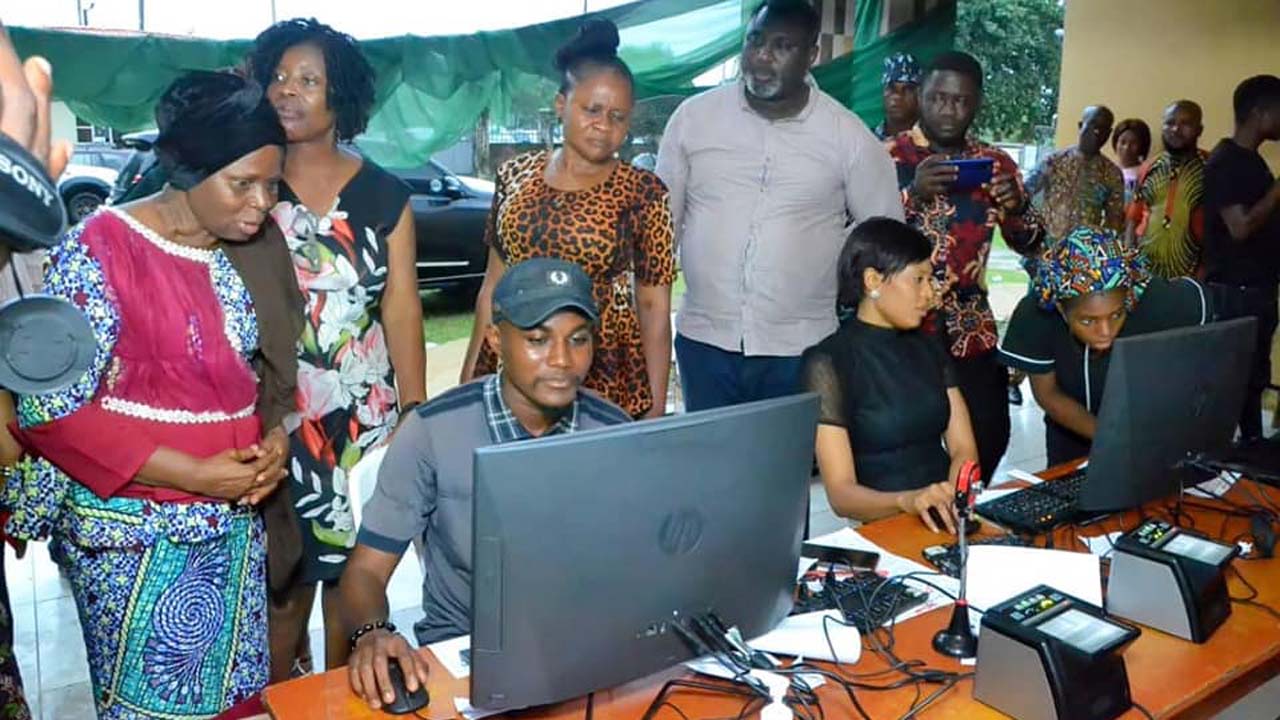
The INEC Online Voters Registration exercise, conducted over one week from August 18th to August 25th, 2025, was designed to enhance voter participation through an accessible digital platform. Nationwide, the exercise successfully registered approximately 1.3 million new voters, signaling a positive step towards inclusive electoral participation in Nigeria.
However, the Southeast region’s contribution to this figure was alarmingly low, with only 1,998 new voters registered online. This stark contrast with other regions, such as the Southwest with 848,359 new registrants and the North-Central with 250,218, highlights a serious concern regarding political engagement in the Southeast.
The low turnout raises critical questions about the effectiveness of voter mobilization strategies in the region and the role of local leadership in encouraging civic participation. It also signals potential challenges for the Southeast in securing adequate political representation at the national level.
Ohanaeze Ndigbo’s Response and Criticism of Stakeholders
Ohanaeze Ndigbo, through its Deputy National President Mazi Okechukwu Isiguzoro, expressed profound disappointment over the Southeast’s voter registration figures. The organization condemned the collective failure of political leaders, including the five Southeast governors, senators, members of the House of Representatives, and past and present political figures, for neglecting their responsibility to galvanize voter participation.
The group particularly criticized the complete absence of voter registration in Anambra State during the online exercise, holding Governor Chukwuma Soludo and former Governor Peter Obi accountable for their lack of leadership and engagement. Ohanaeze labeled this as a dereliction of duty that undermines the political interests of the Igbo people.
Beyond Anambra, Ohanaeze implicated all Southeast governors, accusing them of prioritizing narrow political ambitions over the collective welfare of their constituents. The organization warned that such negligence could perpetuate the region’s marginalization in the Nigerian political landscape.
Factors Contributing to Low Voter Registration in the Southeast
Several factors have contributed to the Southeast’s poor voter registration performance. Chief among these is the apparent apathy and disengagement from politics exhibited by many stakeholders, which has trickled down to the grassroots level. This political inertia discourages eligible voters from participating in critical democratic processes.
Additionally, infrastructural challenges such as limited internet penetration and digital literacy in certain parts of the Southeast may have hindered access to the online registration platform. For many rural and semi-urban communities, the digital approach may have been a barrier rather than an enabler.
Furthermore, the absence of robust voter education campaigns and mobilization efforts by political and community leaders has left many eligible voters uninformed about the registration exercise. This communication gap is a significant factor in the underperformance of the Southeast in the voter registration drive.
Comparative Analysis: Southeast Versus Other Nigerian Regions
When juxtaposed with other geopolitical zones, the Southeast’s voter registration numbers are strikingly low. The Southwest’s 848,359 new registrants dwarf the Southeast’s 1,998, demonstrating a significant disparity in political engagement and mobilization.
The North-Central region’s 250,218 new voters also highlight a more proactive approach to voter registration compared to the Southeast. These figures suggest that other regions have been more effective in leveraging political leadership and community structures to encourage participation.
The Southeast’s underperformance is not merely a statistical anomaly but reflects deeper socio-political dynamics that require urgent examination and intervention to prevent further marginalization in Nigeria’s democratic processes.
Implications of Low Voter Registration for the Southeast
The low voter registration rate in the Southeast has far-reaching implications for the region’s political influence and representation. With fewer registered voters, the Southeast risks diminished electoral weight, which could translate to reduced political appointments, allocations, and attention from the federal government.
This scenario perpetuates a cycle of political exclusion that undermines the aspirations of the Igbo people to have a stronger voice in national affairs. It also weakens the Southeast’s bargaining power in Nigeria’s complex federal structure.
Moreover, the perceived apathy and lack of unity among the Southeast’s political class could exacerbate internal divisions, making it harder to mount collective efforts for regional development and political advancement.
Calls to Action by Ohanaeze Ndigbo and Other Stakeholders
In response to the crisis, Ohanaeze Ndigbo has issued a clarion call for immediate and sustained action to reverse the trend. The organization urges every eligible Igbo voter to participate actively in the ongoing INEC In-Person Voters Registration Exercise, which started on August 26th, 2025, and will continue until August 31st, 2026.
Ohanaeze plans to exert relentless pressure on Southeast governors, local government chairmen under ALGON, traditional rulers, religious organizations, civil rights groups, town unions, market associations, student bodies, and other relevant stakeholders to mobilize voter registration at the grassroots level.
This multi-pronged mobilization strategy aims to foster a culture of political participation and ensure that the Southeast is not left behind in Nigeria’s democratic evolution. The organization emphasizes that political apathy must be replaced with collective responsibility and proactive engagement.
The Role of Political Leadership and Community Organizations
Political leaders in the Southeast hold a critical responsibility to lead by example and champion voter registration efforts. Their active involvement is essential to inspire confidence and trust among the electorate, encouraging wider participation in democratic processes.
Community organizations, traditional institutions, and civil society groups also have indispensable roles in voter education and mobilization. By leveraging their grassroots connections, they can bridge informational gaps and address misconceptions about the electoral process.
Collaborative efforts between political leaders and community stakeholders will be pivotal in transforming the Southeast’s political landscape. A united front can effectively confront challenges such as voter apathy, misinformation, and infrastructural barriers.
Looking Ahead: Strategies to Enhance Voter Engagement in the Southeast
To improve future voter registration outcomes, the Southeast must adopt comprehensive strategies that address both structural and motivational barriers. This includes enhancing digital infrastructure, expanding voter education campaigns, and creating incentives for political participation.
Engagement with youth groups and educational institutions is particularly vital, as young people represent a significant portion of the eligible voter population. Empowering them with knowledge and opportunities to participate can yield long-term benefits for democratic consolidation.
Furthermore, transparent and accountable leadership that prioritizes the region's political interests will help rebuild trust and galvanize community support. The Southeast must embrace a proactive stance to secure its rightful place in Nigeria’s political arena.
Conclusion
The dismal voter registration figures from the Southeast during the recent INEC Online exercise serve as a wake-up call for all stakeholders in the region. Ohanaeze Ndigbo’s candid critique underscores the urgent need for political leaders, community organizations, and citizens to unite and take responsibility for enhancing democratic participation. With the ongoing INEC In-Person Voters Registration exercise, there is a golden opportunity to redeem the Southeast’s political future. Through concerted efforts in voter education, mobilization, and leadership accountability, the Southeast can reclaim its rightful place in Nigeria’s political landscape and ensure its voice is heard loud and clear in shaping the nation’s destiny.