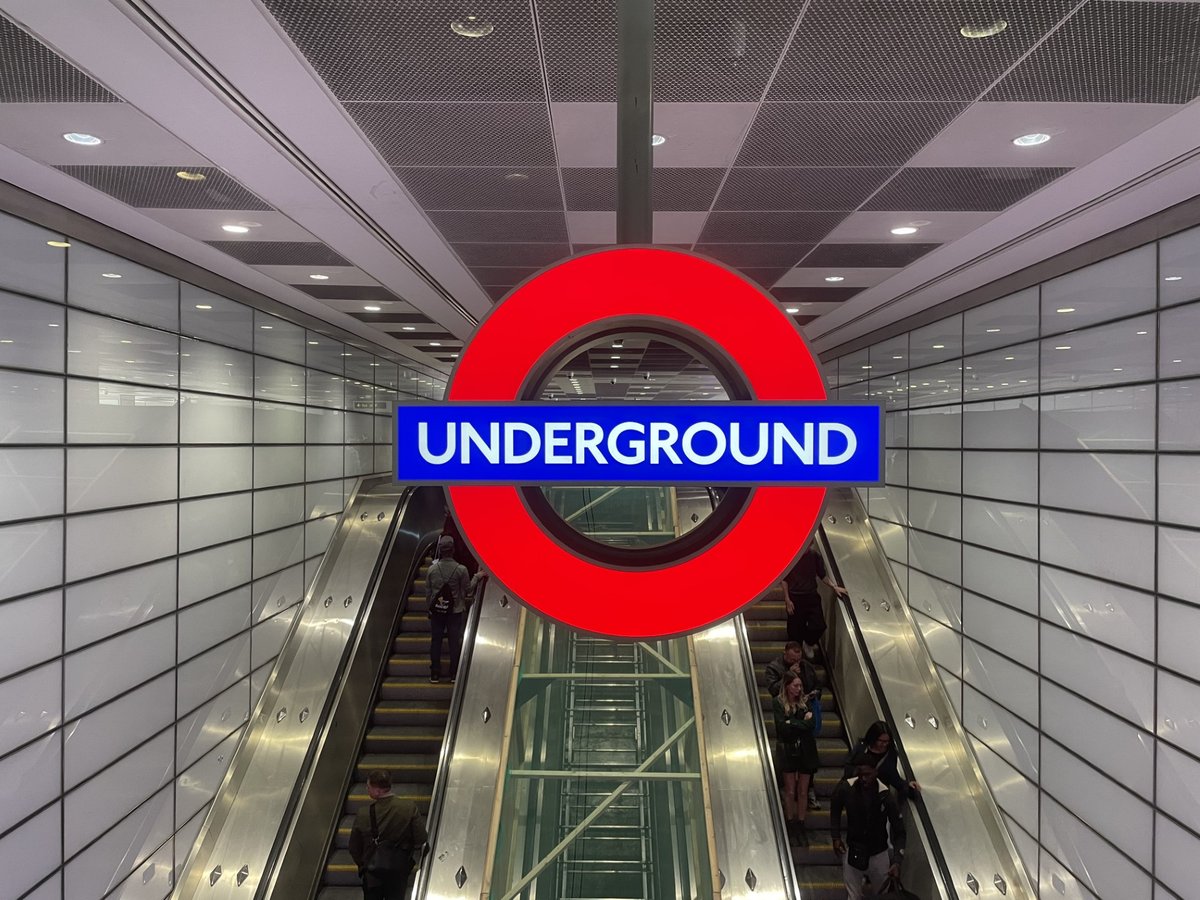

The UK Government’s recent overhaul of immigration rules has sent shockwaves through the London Underground workforce, with over 60 staff members reportedly at risk of deportation. These employees, many of whom have spent years contributing to the capital’s transport system, primarily entered the UK on skilled worker visas or graduate schemes. However, the Home Office’s tightened visa sponsorship criteria—including increased salary thresholds and the exclusion of certain transport roles—have disrupted their career progression and jeopardized their residency status. This comprehensive article delves into the background of these changes, their effects on Tube staff, and the ongoing efforts to secure just outcomes for those affected.
Background: Government’s Immigration Policy Shift and Its Objectives
In May 2024, the UK Government published a white paper titled ‘Restoring Control Over the Immigration System,’ outlining significant reforms aimed at tightening immigration controls. Central to this strategy was the adjustment of the skilled worker visa framework, designed to prioritize domestic employment and reduce reliance on foreign labor. The reforms increased the minimum salary threshold for visa sponsorship to £41,700 per year and revised the list of eligible occupations, excluding several roles previously considered skilled, including key transport positions.
These changes took effect on July 22, 2024, and are set to remain in place until at least the end of 2026. The Government’s rationale emphasizes strengthening the domestic workforce by incentivizing employers to provide training opportunities for UK nationals. This policy shift reflects broader political commitments to controlling immigration levels and ensuring that international recruitment targets higher-skilled roles with substantial economic contributions.
While the policy aims to balance immigration with domestic labor market needs, it has sparked controversy, particularly within sectors such as public transport where certain roles have historically depended on skilled foreign workers. The new rules have disrupted established employment pathways and have had immediate consequences for individuals who had built their lives and careers in the UK.
Impact on London Underground Staff: Visa Sponsorship Changes and Deportation Risks
More than 60 London Underground employees are currently facing the risk of deportation following the Home Office’s revised visa sponsorship criteria. Most of these individuals initially arrived on skilled worker visas or graduate schemes, often with the expectation that they could progress into eligible skilled roles within Transport for London (TfL). However, the updated rules removed station assistant and related transport positions from the list of eligible occupations, effectively closing these career pathways.
Many affected staff have worked for TfL for years and, in some cases, have been promoted beyond their original roles. Despite their contributions and long-term residency, the increased salary threshold—now set at £41,700—disqualifies many from continued sponsorship. This leaves them vulnerable to visa expiry without alternative routes to remain legally employed in the UK.
The union representing these workers, the Rail, Maritime and Transport (RMT), has described the Home Office’s approach as arbitrary and unfair. The RMT highlights individual cases where employees have demonstrated exceptional dedication, such as preventing passenger suicides on the Underground, yet still face deportation. This situation underscores the human cost of the policy changes amid broader immigration debates.
Union Response and Advocacy for Affected Workers
The RMT union has been vocal in opposing the Government’s new immigration rules, emphasizing the negative impact on workers who have committed years of service to London’s transport infrastructure. General Secretary Eddie Dempsey criticized the policy as punitive, stating that it unjustly threatens workers who have built their lives in the UK and contribute daily to public safety and mobility.
The union has pledged to support affected members through legal assistance, advocacy, and public campaigns. It argues for a fair and practical immigration policy that recognizes the realities of the transport sector and the value of experienced foreign workers. The RMT also warns that the policy risks creating staffing shortages, which could undermine the reliability and safety of London’s Underground network.
Furthermore, the union calls for clearer communication and transitional arrangements to protect workers currently employed under previous visa frameworks. Their advocacy includes pressuring the Government to reconsider the removal of transport roles from the skilled worker list and to implement pathways allowing existing employees to regularize their status.
Transport for London’s Position and Compliance Challenges
Transport for London has acknowledged the challenges posed by the Government’s immigration rule changes but stressed its obligation to comply with legal requirements. TfL, like other employers, faces risks of criminal prosecution and potential loss of its sponsor licence if it fails to adhere to the updated visa sponsorship criteria. This compliance imperative restricts TfL’s ability to retain or continue sponsoring staff who no longer meet the eligibility thresholds.
A TfL spokesperson confirmed that the organization is actively working with affected employees as their visas approach expiry. The goal is to explore alternative immigration routes where possible and provide support to minimize disruption. However, the spokesperson noted that options are limited under the current regulatory framework, and some roles simply no longer qualify for sponsorship.
TfL’s starting salary for graduate recruits is approximately £31,000, below the new £41,700 threshold, complicating recruitment and retention strategies. Trainee station staff typically earn between £35,300 and £41,800, while qualified customer service assistants earn above the threshold. These salary dynamics illustrate the disconnect between the Government’s visa rules and the pay scales prevalent in frontline transport roles.
Career Progression Disrupted: Graduate Schemes and Skilled Worker Pathways
Many of the affected Tube staff initially entered the UK under two-year graduate visa schemes, with the expectation that they could transition into skilled worker roles within TfL. This pathway was a key incentive for international graduates seeking long-term employment in London’s transport sector, offering a structured progression into stable, sponsored positions.
The recent removal of station assistant and similar roles from the skilled worker list has abruptly severed this progression route. Graduates who accepted entry-level roles in good faith now face uncertain futures, as their visas expire without the possibility of sponsorship renewal. This disruption not only affects individual livelihoods but also undermines TfL’s ability to develop and retain skilled talent from diverse backgrounds.
The RMT has characterized this shift as an “arbitrary” policy change, highlighting the disconnect between Government objectives and the operational realities of public transport. The loss of a clear career pathway for foreign graduates may deter future applicants and exacerbate workforce shortages in critical frontline roles.
Broader Implications for London’s Transport Workforce and Service Reliability
The potential deportation of over 60 skilled Tube workers threatens to create significant staffing gaps within London’s Underground system. These workers perform essential roles that directly impact passenger safety, station operations, and overall service reliability. The sudden loss of experienced employees could strain remaining staff and reduce operational efficiency.
London’s transport network is already facing challenges related to recruitment and retention, and the new immigration restrictions may exacerbate these issues. A reduction in the eligible labor pool could hinder TfL’s ability to maintain service standards, particularly in customer-facing and safety-critical positions.
Furthermore, the policy changes may discourage foreign talent from seeking employment within the UK transport sector, limiting diversity and innovation. The Government’s emphasis on domestic workforce development is important, but sudden restrictions without adequate transitional support risk unintended negative consequences for public services.
Government’s Justification and Future Policy Directions
The Home Office defends the immigration reforms as part of a comprehensive strategy to restore order and integrity to the UK’s immigration system. By linking visa eligibility to higher salary thresholds and skills frameworks, the Government aims to reduce dependence on lower-skilled international recruitment and encourage employers to invest in training British workers.
A spokesperson highlighted that sectors must implement workforce strategies focusing on domestic skills development or risk losing access to overseas labor markets. This approach intends to balance economic growth with immigration control, aligning workforce needs with national priorities.
Looking ahead, the Government’s policy is scheduled to remain in effect until at least the end of 2026. However, ongoing dialogue with employers and unions may influence future adjustments. The challenge lies in crafting immigration rules that uphold control objectives while ensuring vital industries, such as public transport, remain staffed and operational.
Support and Resources for Affected Workers
Affected Tube staff are encouraged to seek legal advice and union support to explore all available immigration routes. The RMT is actively assisting members with case management and advocacy to secure extensions or alternative visa options where possible. Early engagement with immigration experts is critical given the complexity and evolving nature of the rules.
TfL has committed to providing support to impacted employees, including consultations about potential visa pathways and employment alternatives. However, the organization’s capacity to intervene is limited by regulatory compliance requirements, meaning some individuals may still face difficult decisions.
Community groups and charities specializing in immigration issues may also offer guidance and resources. Workers are advised to stay informed about policy updates and maintain open communication with employers and unions to navigate this challenging period effectively.
Conclusion
The recent Government changes to immigration rules have placed a significant number of London Underground workers in precarious positions, threatening their ability to continue working and living in the UK. While intended to prioritize domestic employment and strengthen immigration controls, these reforms have inadvertently disrupted the lives of skilled foreign workers who have contributed substantially to London’s transport system. The response from unions, TfL, and affected individuals underscores the need for balanced policies that safeguard both national interests and the livelihoods of dedicated workers. As the situation unfolds, collaborative efforts between the Government, employers, and unions will be essential to finding just and practical solutions that maintain the integrity and efficiency of London’s vital public transport services.
Originally reported by standard.co.uk. Adapted for our readers.