
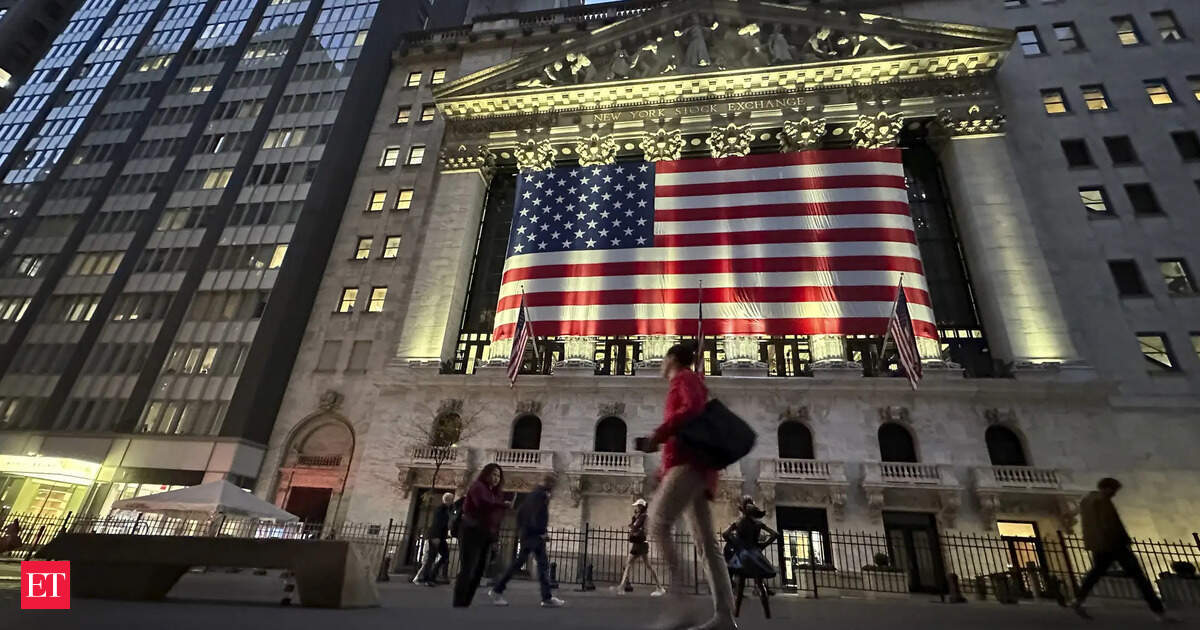

The August jobs report arrives with Wall Street on edge. After weeks of deteriorating labor signals, investors are treating the release as more than a monthly data point: it is a potential trigger for the Federal Reserve’s next rate decision and a swing factor for stocks. With tech giants, homebuilders, and financials already moving on rate-cut expectations, the headline figures carry outsize importance.
Why This Report Matters Now
The run-up to Friday’s report has been filled with warning signs. Jobless claims climbed to an 11-week high, pointing to rising layoffs. ADP private payrolls showed just 54,000 jobs added — roughly half of July’s total and one of the weakest readings since the pandemic. Meanwhile, Challenger layoff announcements surged to nearly 86,000 in August, making it the worst August since the Great Recession outside of 2020.
These figures paint a picture of employers cutting back and workers facing fewer opportunities. For the first time in more than four years, job openings now trail the number of job seekers, a clear reversal from the overheated post-pandemic labor market. Taken together, the data suggest hiring momentum has broken and that the Federal Reserve may finally have the cover it needs to begin easing policy.
Economist Expectations and Key Numbers
Consensus forecasts call for around 75,000 jobs added in August, a modest uptick from July’s weak 73,000 but still far below the 115,000 expected at the time of the prior report. The unemployment rate is projected to hold at 4.3%, matching its highest level since 2021. Even a forecast near 75,000 would confirm that the labor market has downshifted sharply from the strong gains of 2022 and early 2023.
Revisions remain a wildcard. May and June were already slashed by a combined 250,000 jobs, dragging the three-month average down to just 35,000 jobs per month — the slowest pace outside of the pandemic in nearly 15 years. Another downward revision would reinforce the view that the slowdown is entrenched rather than a one-off soft patch.
Wage growth will also be closely watched. Softer hourly earnings would ease lingering inflation concerns and give the Fed more confidence to cut rates, but a steep drop could feed worries about consumer spending power and household finances.
Federal Reserve Implications
Markets are already pricing in a 97–98% chance of a September rate cut, with fed funds futures signaling a 25-basis-point move. Only a major upside surprise — roughly 140,000 to 150,000 jobs — is seen as large enough to delay that expectation. In other words, the baseline case for a September cut is firmly embedded, and today’s report is mostly about confirming or challenging it.
The Fed is walking a narrow path. A mild cooling in the labor market is exactly what policymakers want to see to support a “soft landing” narrative, in which inflation eases without a deep economic contraction. However, if job losses accelerate into the fall, the story could shift quickly from controlled easing to recession risk. That makes the August report a balance-of-risk event rather than a simple binary outcome.
Market Reaction: What Investors Should Watch
Wall Street has traded ahead of the report, with the S&P 500 hitting new highs and the Nasdaq up 1% this week on rate-cut bets. The Dow rose nearly 350 points, led by gains in Amazon, Meta, and T. Rowe Price, even as Salesforce dragged on sentiment.
Here is where the market impact may fall:
Equities: Tech and homebuilders stand to benefit most if the Fed cuts. A weak report may reinforce that rally, though any whiff of recession could cap gains or trigger a rotation out of cyclical names.
Bonds: Treasury yields have already slipped; softer jobs data would likely push them lower still as traders price in a faster or larger easing cycle.
Dollar and commodities: A weaker dollar could lift gold and other commodities, especially if the report fuels expectations of a more dovish Fed.
Key Stocks on the Radar
Several names and sectors are particularly exposed to the report’s verdict:
Salesforce (CRM): Already down 5–8% on weak guidance, the cloud software giant could face fresh selling if a disappointing jobs report deepens worries about corporate spending.
T. Rowe Price (TROW): Up nearly 6% after a $1 billion Goldman Sachs deal, the asset manager could extend its momentum if markets rally on dovish expectations.
Amazon (AMZN): Gained 4% on new partnerships and remains a prime beneficiary of lower-rate sentiment, which tends to support growth-oriented, capital-intensive stocks.
Homebuilders (ITB, XHB ETFs): The sector jumped 3.2% this week as mortgage rates are expected to ease. That trend could strengthen if today’s data supports the case for Fed cuts, improving affordability for buyers.
Scenarios and Takeaways
The August jobs report is less about whether the labor market is cooling — it clearly is — and more about how severe that slowdown looks. A moderate miss in line with consensus, around 75,000 jobs and 4.3% unemployment, would likely cement expectations for a September rate cut and support equities, particularly rate-sensitive sectors.
A big upside surprise, such as 140,000 jobs or more, could derail easing expectations and spark volatility as traders unwind rate-cut trades. Conversely, a much weaker report may drive an initial rally on aggressive rate-cut bets, but recession fears could quickly take hold and weigh on risk assets.
Investors should brace for volatility as the numbers hit at 8:30 a.m. ET. The stakes are clear: today’s data will not only influence the Fed’s next move, but could also set the tone for markets through the fall.
What this means
Today’s August jobs report is a pivotal inflection point. The labor market has clearly cooled, but the degree of that cooling will determine whether the Federal Reserve proceeds with a widely expected September rate cut or reassesses. For investors, a moderate miss supports the soft-landing narrative and extends the rally in rate-sensitive sectors, while a significant upside surprise or a deep miss each carry distinct volatility risks. The data arrives at 8:30 a.m. ET — and with it, the next chapter for markets through fall.
Originally reported by economictimes.indiatimes.com. Adapted for our readers with AI assistance.


