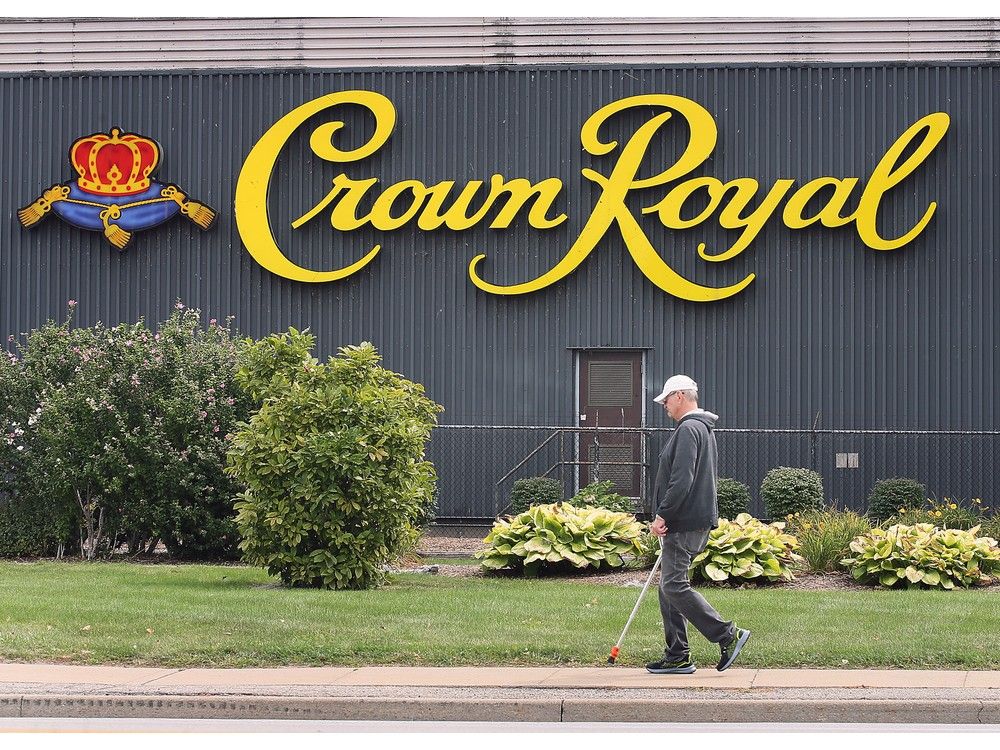

Crown Royal has long stood as an iconic symbol of Canadian whisky craftsmanship, celebrated worldwide for its distinctive flavor and heritage. Recently, the parent company Diageo announced plans to close the Amherstburg bottling plant by February 2026 and move some blending and bottling operations to the United States. This decision has sparked significant concern from Unifor, the union representing the plant's employees, who argue that such a move undermines the integrity and authenticity of Crown Royal as a true Canadian whisky. This article delves into the details of the controversy, examining the union’s objections, the potential impact on the product, and broader questions about Canadian whisky identity.
Background: The Amherstburg Plant Closure and Diageo’s Decision
On August 28, 2025, Diageo, the U.K.-based multinational beverage company and owner of Crown Royal, announced the impending closure of its bottling facility in Amherstburg, Ontario. The plant, responsible for blending and bottling Crown Royal, will cease operations by February 2026, resulting in over 200 job losses. This decision marks a significant shift in the production process of one of Canada’s most renowned whisky brands.
Diageo stated that while the distillation, mashing, and aging of Crown Royal will remain in Canada, the blending and bottling will be relocated to the United States. The company described this move as part of a broader strategy to optimize operations across multiple sites, aiming to enhance efficiency and meet growing demand in North American markets.
However, the announcement was met with immediate backlash, particularly from Unifor Local 200, which represents the affected workers. The union criticized the decision, highlighting concerns about the loss of Canadian jobs and the potential dilution of Crown Royal’s Canadian identity.
Unifor’s Concerns: Authenticity and Canadian Whisky Identity
Unifor’s primary objection centers on the authenticity of Crown Royal as a Canadian whisky if blending and bottling are conducted outside Canada. The union argues that whisky is not simply a liquid product but a cultural and national symbol, deeply tied to Canadian heritage and craftsmanship. Moving key stages of production to the U.S. could challenge the brand’s claim to being a genuine Canadian whisky.
John D’Agnolo, president of Unifor Local 200, emphasized that decisions made in distant boardrooms lack appreciation for the brand’s history and the distinct Canadian processes involved. He warned that without Canadian water and blending expertise, the final product may no longer meet the standards traditionally associated with Crown Royal.
The union also questioned whether the whisky, once shipped to the U.S. for bottling, would truly maintain its quality and characteristics. They stressed that water, an essential ingredient added late in the process, plays a crucial role in defining the whisky’s flavor profile, and sourcing it outside Canada could alter the taste.
Production Process: Why Location Matters in Whisky Making
Canadian whisky production involves several intricate steps: mashing, fermenting, distilling, aging, blending, and bottling. Each phase contributes to the final character of the spirit. Traditionally, water sourced from Canadian springs and rivers is used in dilution, which is key to balancing flavor and alcohol content.
Blending is another critical stage, requiring skilled craftsmanship to combine different aged whiskies to achieve a consistent flavor profile. According to industry experts, relocating blending and bottling processes to the U.S. introduces variables that could affect the whisky’s integrity, including differences in water quality, environmental conditions, and handling practices.
Transporting unbottled whisky across the border also presents logistical challenges. The union highlighted concerns about safety risks and potential quality degradation during transit. These factors complicate the assurance that Crown Royal bottled in the U.S. would be indistinguishable from its Canadian-produced counterpart.
Economic and Social Impact on the Amherstburg Community
The closure of the Amherstburg plant is more than just a business decision; it represents a significant economic blow to the local community. Over 200 employees will face job losses, affecting not only their livelihoods but also the town’s economic stability. For many workers, the plant has been a long-standing source of employment and pride.
Unifor has voiced concerns about the social consequences of this closure, including the loss of skilled jobs and the erosion of local expertise in whisky production. The union argues that this move undermines a community that has contributed decades of labor and knowledge to Crown Royal’s success.
Furthermore, the closure could have ripple effects on supporting industries and local businesses that depend on the plant’s operation. The transition also raises questions about corporate responsibility and the balance between global efficiency and community welfare.
Industry and Consumer Perception: The Implications for Canadian Whisky Branding
The shift of blending and bottling to the U.S. raises important questions about consumer perception and the branding of Canadian whisky. Crown Royal has built its reputation on its Canadian roots, and any changes perceived as diluting this identity could impact customer loyalty and market positioning.
Industry analysts note that whisky enthusiasts often value authenticity and provenance, making the production location a significant factor in purchasing decisions. If Crown Royal’s labeling and marketing continue to emphasize Canadian heritage while key processes occur outside Canada, it may lead to consumer skepticism.
Moreover, regulatory definitions of Canadian whisky could come under scrutiny. Canadian law mandates certain production criteria, and while Diageo claims that mashing, aging, and distillation remain in Canada, the blending and bottling relocation may provoke debates about compliance and labeling transparency.
Diageo’s Position and Future Plans for Crown Royal
Diageo maintains that Crown Royal will continue to be mashed, aged, and distilled in Canada for all markets, including the U.S. The company argues that relocating blending and bottling is a logistical and strategic decision aimed at enhancing supply chain efficiency and meeting increasing demand.
While Diageo has not provided detailed plans on how water sourcing or blending will be managed post-relocation, they emphasize their commitment to maintaining product quality. The company has yet to respond publicly to specific concerns raised by Unifor regarding authenticity and quality preservation.
As the closure date approaches, stakeholders await further clarification on the operational details and assurances that Crown Royal’s Canadian whisky status will not be compromised. How Diageo navigates these challenges will be critical to the brand’s future reputation and success.
Broader Context: Trends in Global Spirits Production
The Crown Royal situation reflects a broader trend in the spirits industry where multinational companies optimize production by shifting certain processes across borders. Such moves often aim to reduce costs or improve distribution but can raise questions about product authenticity and local economic impact.
Similar debates have occurred in other whisky-producing nations, where the balance between tradition and globalization creates tension. Maintaining heritage while competing in a global market requires careful management of brand identity and consumer expectations.
For Canadian whisky, known for its unique characteristics and historical significance, preserving the integrity of production is especially vital. The Crown Royal case may prompt industry-wide discussions about standards, labeling, and the definition of ‘Canadian whisky’ in an increasingly interconnected world.
What This Means for Consumers and Canadian Whisky Lovers
For consumers, the news about Crown Royal’s production changes raises important considerations regarding product authenticity and quality. Loyal fans may question whether the whisky they enjoy will maintain its traditional flavor profile once blending and bottling move to the U.S.
Transparency from Diageo will be crucial to maintaining consumer trust. Clear communication about production processes and adherence to Canadian whisky standards can help alleviate concerns and preserve brand loyalty.
Ultimately, this development opens a wider conversation about the meaning of ‘Canadian whisky’ and how globalization impacts cherished national products. Whisky enthusiasts and industry watchers alike will be closely monitoring how these changes unfold and what they signify for the future of Canadian spirits.
Conclusion
The decision to relocate blending and bottling of Crown Royal whisky to the United States has ignited a significant debate about what defines a true Canadian whisky. Unifor’s concerns highlight the importance of production processes, local expertise, and heritage in maintaining product authenticity. While Diageo emphasizes operational efficiency and continued Canadian distillation, the move poses challenges for community livelihoods, brand identity, and consumer confidence. As this story develops, it underscores the delicate balance between globalization and preserving the cultural essence of iconic Canadian products. The future of Crown Royal will depend not only on where it is bottled but on how transparently and faithfully its Canadian roots are honored.
Originally reported by windsorstar.com. Adapted for our readers.