
In a world where traditional career paths often dominate the conversation, Jarrel Byer stands out as a beacon of innovation and perseverance from Trinidad and Tobago. Rejecting the conventional 9-to-5 job model, Byer embraced the concept of Ikigai—a Japanese philosophy that aligns passion, skill, societal needs, and financial viability—to carve out a fulfilling career as an inventor. His journey from early setbacks to producing patented products that genuinely improve lives exemplifies the power of dedication and strategic thinking. This article explores Byer’s path, his groundbreaking inventions, and his broader vision for invention development as a vital skill for economic growth in small nations like Trinidad and Tobago.
Embracing Ikigai: The Foundation of Byer’s Inventive Spirit
Jarrel Byer’s career trajectory was anything but conventional. Instead of pursuing a typical 9-to-5 job, he sought long-term fulfillment through work that aligned with his values and talents. This search led him to the Japanese concept of Ikigai, which emphasizes the intersection of what you love, what you’re good at, what the world needs, and what you can be paid for. Byer found this intersection in invention development, a field that allowed him to combine creativity with practical problem-solving.
Byer believes that his journey has been shaped by a higher purpose, comparing his growth to gold being refined—melting away impurities to reveal true strength. Invention development became the perfect vehicle for him to channel these strengths, enabling him to create products that add real value to people’s lives. This mindset not only fueled his motivation but also provided him with resilience during challenging phases of his career.
The concept of Ikigai not only guided Byer’s career choice but also influenced how he approaches invention development. He focuses on creating meaningful improvements that resonate with users, rather than chasing radical or flashy innovations. This philosophy has helped him maintain a grounded perspective, balancing passion with practicality.
Innovative Creations: From Pull-Tab Wallets to Cannabis Graters
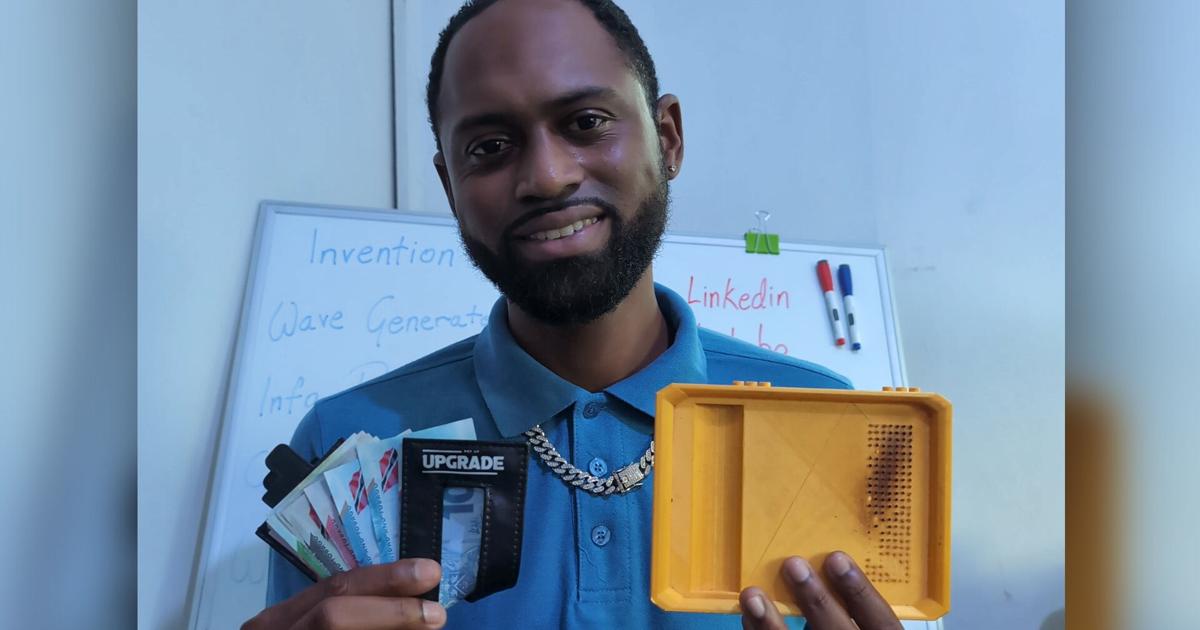
Among Byer’s notable inventions is the pull-tab wallet, designed to enhance user convenience. This wallet features cards raised on both sides of each pull tab, with adjacent tabs stacked for easy access. It also includes a money clip that allows users to check their cash with one hand, blending functionality with sleek design. This invention addresses common frustrations with traditional wallets, making it a practical accessory for everyday use.
Another standout product is what Byer calls the best rolling tray on earth. This manual grinder for cannabis is engineered to grate faster than other available options, optimizing the preparation process for users. The rolling tray exemplifies Byer’s approach to innovation: refining existing products to deliver superior performance and user satisfaction.
These creations demonstrate Byer’s ability to identify market gaps and design solutions that improve daily experiences. His inventions are not just gadgets; they are thoughtfully crafted tools that reflect a deep understanding of consumer needs and behaviors.
Lessons Learned: Navigating Early Challenges in Invention Development
Byer’s early ventures into invention development were not without setbacks. One of his initial mistakes was launching his wallet on Kickstarter without fully understanding the platform’s reliance on paid advertising for success. This oversight resulted in limited exposure and sales, teaching him the importance of strategic marketing and platform nuances.
Another challenge arose when Byer contacted numerous companies about his cannabis rolling tray. Unfortunately, one company appropriated his idea and began selling it in Canada without his consent. This experience underscored the risks of sharing intellectual property prematurely and highlighted the need for robust legal protections and cautious business practices.
These early missteps became invaluable lessons that shaped Byer’s approach to invention development. He now emphasizes the importance of ethical business conduct, thorough market research, and protecting one’s ideas. These experiences also reinforced his belief in perseverance and continuous learning as keys to success.
Mastering the Craft: Invention Development as a Trainable Skill
Contrary to popular belief, Byer argues that invention development is not a rare talent but a trainable skill. He has developed over 1,000 invention ideas and learned that mastery comes through repetition, feedback, and deep familiarity with the creative and commercial landscape. This perspective democratizes innovation, making it accessible to anyone willing to put in the effort.
Byer points out that the best products are rarely radical reinventions; instead, they are existing items made simpler, faster, lighter, or more intuitive. This incremental improvement mindset aligns with consumer psychology, where buyers are more interested in the outcomes and feelings products deliver rather than the mechanisms behind them.
Byer’s approach encourages aspiring inventors to focus on customer experiences and emotional connections. He believes that consistent practice and openness to feedback accelerate skill development, enabling inventors to produce market-leading products over time.
The Economic Impact: Why Invention Development Matters for Trinidad and Tobago
Byer sees invention development as a critical driver of economic growth, particularly for small nations like Trinidad and Tobago. Countries that excel in intellectual property creation, such as the United States and China, tend to dominate economically due to their strong innovation ecosystems. Byer envisions similar potential for T&T through fostering invention literacy.
Inventions can boost exports by enabling licensing deals that bring foreign currency into the country. Additionally, a thriving invention culture can stimulate the manufacturing sector, creating jobs and diversifying the economy. This diversification is essential for long-term economic resilience, reducing dependency on traditional industries.
Byer advocates for integrating invention development into education and business strategies nationwide. By equipping citizens with these skills, Trinidad and Tobago can cultivate a generation of innovators who contribute to sustainable economic progress and global competitiveness.
Expanding Access: Byer’s Mission to Democratize Invention Education
Recognizing the importance of widespread invention literacy, Byer launched his YouTube channel, Invention Skills, offering free educational content on invention development. This platform provides aspiring inventors worldwide with tools, methodologies, and inspiration to pursue their ideas without financial barriers.
Beyond online resources, Byer offers one-on-one coaching and limited enrollment courses for those seeking personalized guidance. His teaching philosophy centers on service and empowerment, aiming to raise the quality of life through practical innovation. Byer believes that everyone has untapped potential to contribute meaningfully to society.
This commitment to accessible education reflects Byer’s broader vision of making invention development a mainstream, everyday skill. He hopes this movement will not only transform individual lives but also strengthen communities and economies at large.
The Personal Philosophy: Innovation as a Service to Others
At the heart of Byer’s work is a profound belief that inventions should serve to improve lives. He views his talents as gifts to be refined and used responsibly, emphasizing ethical practices and genuine user benefits. This mindset guides his design choices and business dealings, fostering trust and authenticity.
Byer’s analogy of being refined like 24-carat gold reflects his commitment to continual self-improvement and integrity. He sees invention development not just as a career but as a calling—one that blends creativity, purpose, and compassion.
This philosophy also informs his teaching style, where he encourages students to think beyond profit and focus on how their inventions can positively impact communities. Byer believes that when innovation is driven by service, it leads to sustainable success and deeper fulfillment.
Looking Ahead: The Future of Invention Development in Trinidad and Beyond
Jarrel Byer’s journey represents a growing movement toward recognizing invention development as a vital skill in the modern economy. As technology advances and global markets evolve, the ability to create meaningful innovations will become increasingly important for individuals and nations alike.
Byer envisions a future where invention literacy is integrated into school curricula and business practices throughout Trinidad and Tobago. This integration could spark a new wave of local innovations, supporting economic diversification and positioning the country as a hub of creativity and intellectual property.
Globally, Byer’s efforts contribute to a broader dialogue about democratizing innovation and making it accessible to all. His work inspires others to embrace invention development not just as a career choice but as a way to contribute positively to society and the economy.
Conclusion
Jarrel Byer’s story is an inspiring testament to the power of following one’s passion with purpose and perseverance. By embracing invention development as both a skill and a service, he has created products that improve lives while advocating for a broader cultural shift toward innovation literacy in Trinidad and Tobago. His journey underscores the importance of learning from setbacks, prioritizing ethical practices, and focusing on customer experiences. As Byer continues to educate and empower aspiring inventors, he not only elevates his own career but also contributes to building a resilient and diversified economy. His vision offers hope and direction for small nations seeking sustainable growth through creativity and innovation.
Originally reported by trinidadexpress.com. Adapted for our readers.