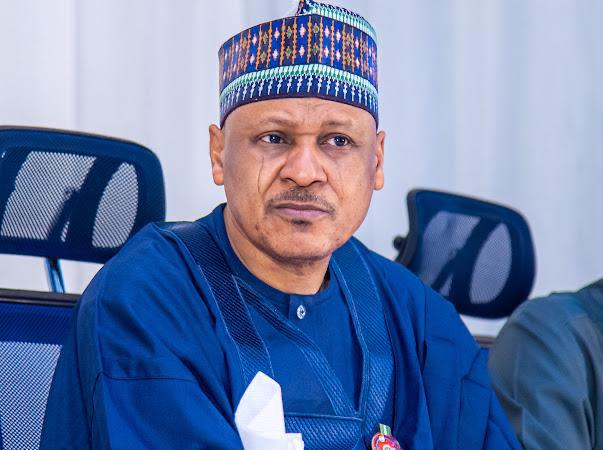

Nigeria's global reputation is a vital asset that influences foreign investment, diplomatic relations, tourism, and national pride. Recognizing this, the Federal Government has emphasized the need for collective responsibility in shaping and protecting the country's image. During the Nigeria Reputation Summit 2026 in Abuja, Honourable Minister of Information and National Orientation, Mohammed Idris, FNIPR, urged Nigerians from all walks of life to actively participate in this national endeavor. This article delves into the government's call for action, the significance of the newly unveiled National Reputation Perception Index, and the multifaceted approach required to enhance Nigeria’s standing on the world stage.
Understanding the National Reputation Perception Index
The Nigerian Institute of Public Relations (NIPR) recently unveiled the country’s first National Reputation Perception Index, a groundbreaking tool designed to measure how Nigeria is perceived both within and beyond its borders. This index provides valuable insights into areas where the country excels and those that require improvement, offering a mirror for self-assessment rather than a final judgment.
Honourable Minister Mohammed Idris highlighted that the index is the culmination of several years of rigorous research and collaboration among reputation management experts. It serves as a foundation for strategic planning and communication, enabling stakeholders to identify key reputation drivers and challenges.
By embracing the findings of the index, Nigeria can tailor its policies and messaging to address misconceptions and amplify positive narratives. The index’s transparency encourages accountability and continuous improvement, fostering a culture of trust and credibility essential for sustainable development.
The Role of Honest Communication in Reputation Building
At the heart of reputation enhancement lies honest and transparent communication. The Federal Government stresses that projecting Nigeria’s progress and challenges with clarity and integrity is vital to building trust both domestically and internationally.
Minister Idris emphasized that while perception often lags behind reality, consistent and truthful communication can bridge this gap. Highlighting genuine achievements while acknowledging areas needing improvement fosters credibility and counters misinformation.
Communication professionals, media outlets, and citizens are called upon to reject sensationalism and false narratives. Instead, they must promote balanced and fact-based storytelling that reflects Nigeria’s true character, achievements, and aspirations.
Showcasing Nigeria’s Democratic Stability and Media Freedom
Nigeria’s 27 years of uninterrupted democracy represent a significant achievement that contributes positively to its global reputation. The country’s commitment to open political participation and respect for democratic principles underscores its leadership credentials.
Additionally, Nigeria boasts one of the freest media environments in Africa, providing a platform for diverse voices and robust public discourse. This openness reinforces transparency and accountability, key pillars of a credible national image.
The Minister highlighted these democratic milestones as evidence of Nigeria’s progress, encouraging the nation to leverage them in its reputation-building efforts. Celebrating such achievements helps counter narratives that paint Nigeria in a negative light.
Economic Reforms and Security Initiatives Driving Progress
Under President Bola Ahmed Tinubu’s administration, Nigeria has embarked on critical reforms aimed at economic stabilization and improved governance. These include strengthening local government autonomy and restoring fiscal discipline through policy adjustments such as the removal of fuel subsidies.
Security remains a top priority, with community-focused initiatives designed to enhance safety and foster trust between citizens and law enforcement. These measures contribute to a more secure environment conducive to investment and growth.
While these reforms involve difficult decisions, positive indicators such as easing inflation, stabilizing growth, and improving foreign reserves demonstrate tangible progress. Communicating these successes effectively is essential to reshaping Nigeria’s economic narrative internationally.
Investing in Infrastructure, Healthcare, and Youth Innovation
Significant investments in infrastructure projects across transportation, energy, and urban development are transforming Nigeria’s physical landscape. These improvements facilitate commerce, connectivity, and quality of life for citizens.
Healthcare and education sectors have also received renewed focus, with initiatives aimed at expanding access and enhancing quality. These efforts are critical for human capital development and long-term national prosperity.
Youth-focused innovation programs, including student loans and venture funding for entrepreneurs, are nurturing the next generation of leaders and innovators. Empowering young Nigerians to contribute meaningfully to the economy and society strengthens the country’s global standing.
Addressing Negative Narratives and Promoting National Unity
Nigeria has faced various negative narratives, particularly around religious intolerance and insecurity. The Federal Government actively challenges these misconceptions through diplomatic engagement, strengthened security measures, and public diplomacy.
Minister Idris stressed that such negative perceptions do not reflect the true diversity and resilience of Nigeria’s people. Promoting unity and mutual respect among different ethnic and religious groups is essential to fostering social cohesion.
Citizens and institutions are encouraged to reject divisive rhetoric and falsehoods, instead projecting Nigeria’s values of tolerance, inclusivity, and peaceful coexistence. This collective mindset shift is crucial for repairing and enhancing the nation’s image.
The Collective Responsibility of Nigerians in Reputation Management
The Federal Government underscores that reputation building is not solely the responsibility of the state but requires active participation from all Nigerians. Professionals, institutions, private sector players, and ordinary citizens all have roles to play.
By aligning policies with purposeful action and ensuring communication reflects truth, the nation can cultivate a reputation grounded in authenticity and progress. This holistic approach demands discipline, consistency, and a shared commitment to national development.
Minister Idris called on communication experts and the general public alike to promote positive narratives, celebrate achievements, and engage constructively in national discourse. Such collective action is key to transforming Nigeria’s global reputation.
Looking Ahead: Sustaining Progress and Building Trust
Sustaining Nigeria’s reputation enhancement requires long-term vision and continuous effort across multiple sectors. The government’s reforms and investments must be complemented by ongoing engagement with international partners and stakeholders.
Monitoring and updating tools like the National Reputation Perception Index will help track progress and identify emerging challenges. Transparency in reporting and responsiveness to feedback will maintain credibility.
Ultimately, Nigeria’s reputation will be shaped by the lived experiences of its people, the effectiveness of its institutions, and the honesty of its communication. Fostering a culture of integrity and unity will position Nigeria favorably on the global stage for years to come.
Conclusion
Enhancing Nigeria’s global reputation is a multifaceted endeavor that demands collective commitment, honest communication, and sustained progress. The Federal Government’s call to action highlights the importance of shared responsibility among all Nigerians—from policymakers to professionals and everyday citizens. By embracing transparency, celebrating democratic achievements, advancing economic reforms, and promoting unity, Nigeria can reshape its narrative and secure a positive standing in the international community. The journey toward a stronger national reputation is ongoing, but with discipline and collaboration, Nigeria’s true potential will shine brightly on the world stage.