
Artificial intelligence (AI) has become a buzzword synonymous with innovation, efficiency, and future-readiness. However, a concerning trend has emerged where companies exaggerate or misrepresent their AI capabilities—a practice now known as AI washing. By overstating AI integration, firms aim to enhance their market appeal, justify workforce reductions, and sidestep regulatory or public criticism. This article delves into the nuances of AI washing, exploring how it manifests, why it’s growing, its implications for employees and executives, and what this means for the future of AI adoption in business.
Understanding AI Washing: Definition and Manifestations
AI washing refers to the practice where companies exaggerate, misrepresent, or rebrand their existing technologies and analytics as artificial intelligence to appear more innovative and valuable. This often involves labeling traditional data analysis techniques, such as regression models or automated Excel tools, as AI-driven solutions even when they lack true machine learning or neural network components.
A common manifestation of AI washing is the repackaging of legacy analytics under the AI umbrella, enabling companies to capitalize on AI’s market appeal without investing in the underlying technology. This superficial branding can mislead investors, customers, and employees about the company’s technological maturity and innovation capabilities.
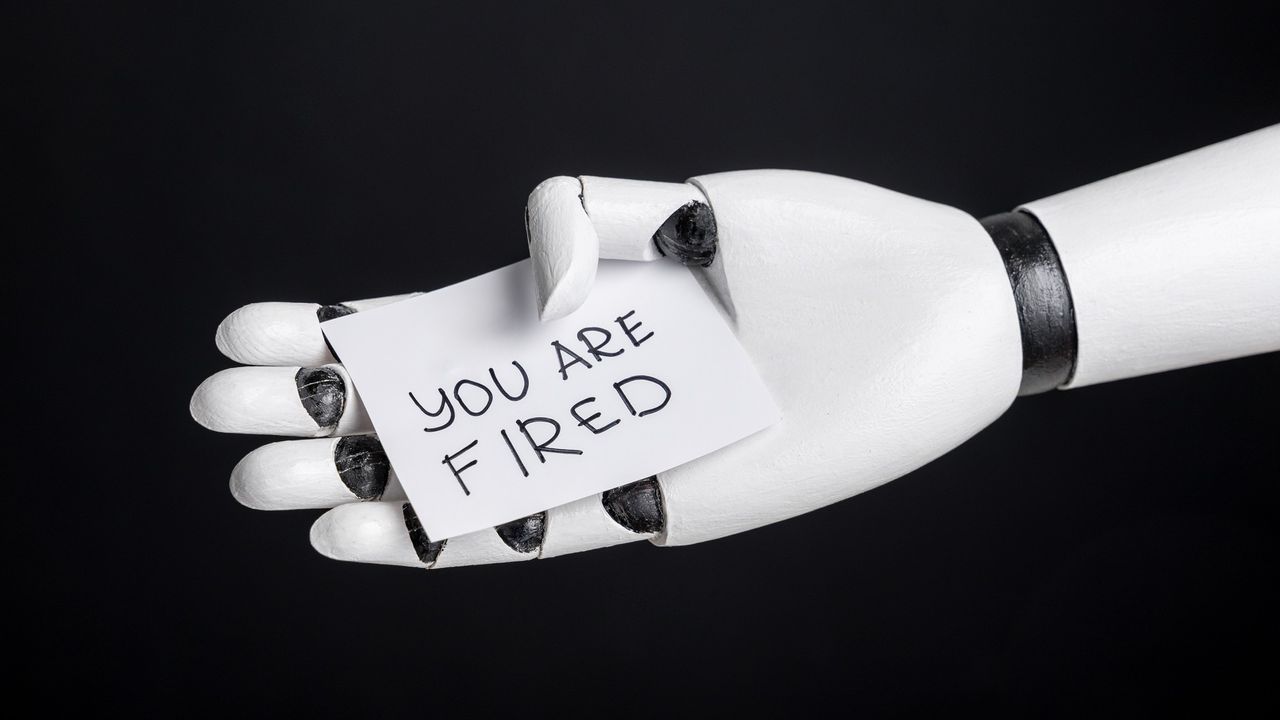
Additionally, AI washing is frequently used as a strategic justification for workforce reductions. Companies claim AI advancements allow them to automate tasks, thereby reducing headcount. However, many organizations lack mature AI applications capable of fully replacing human roles, making these claims premature and often misleading.
Why Companies Resort to AI Washing: Motivations Behind the Trend
One key driver of AI washing is the immense hype surrounding artificial intelligence. Media and industry narratives often portray AI as a transformative technology capable of revolutionizing entire industries overnight. This creates pressure on companies to demonstrate AI adoption to maintain competitive relevance and investor confidence.
Another motivation is the use of AI as a less controversial scapegoat for layoffs. Unlike admitting poor financial planning or market missteps, attributing job cuts to AI-driven efficiencies appears forward-looking and strategic. It allows executives to avoid backlash from employees, regulators, and the public by framing workforce reductions as necessary technological progress.
Furthermore, some companies exploit AI washing to sidestep political or economic scrutiny. For example, during periods of economic uncertainty or trade tensions, firms may avoid blaming layoffs on external factors such as tariffs or policy changes. Instead, they cite AI as the cause, which carries less political risk and public criticism.
The Role of Leadership in Perpetuating AI Washing
Leadership often plays a pivotal role in driving AI washing. CEOs and senior executives, sometimes lacking deep technical expertise, may push for aggressive workforce reductions under the assumption that AI can seamlessly replace human labor. This disconnect leads to unrealistic expectations about AI’s current capabilities.
In many cases, executives prioritize short-term financial optics over long-term operational viability. By touting AI adoption, they hope to boost stock prices and investor interest even when the technology is not fully developed or integrated. This can create internal misalignment and erode employee trust.
Moreover, leadership’s eagerness to associate their companies with AI innovation can lead to overpromising in public communications. This risks reputational damage if AI initiatives fail to deliver or layoffs attributed to AI are reversed due to operational challenges, undermining confidence among stakeholders.
Consequences of AI Washing for Employees and Organizations
For employees, AI washing can lead to job insecurity and morale erosion. Layoffs justified by AI adoption may not reflect actual technological readiness, resulting in premature workforce reductions that disrupt teams and degrade productivity.
Operationally, organizations may face setbacks if they downsize prematurely without viable AI systems in place to fill the gaps. This can cause workflow interruptions, increased costs from rehiring, and loss of institutional knowledge that AI cannot readily replace.
From a reputational standpoint, companies caught in AI washing risk losing credibility with customers, investors, and regulators. Public backlash can arise when AI hype is exposed as exaggeration, leading to diminished brand value and potential regulatory scrutiny over misleading claims.
The Economic and Regulatory Implications of AI Washing
AI washing complicates economic forecasting and labor market analysis. When layoffs are attributed to AI without substantiated technological deployment, it creates misleading data on AI’s true impact on employment and productivity.
Regulators may find it challenging to differentiate genuine AI-driven transformations from marketing spin, hampering efforts to develop appropriate policies and oversight mechanisms. This ambiguity can delay necessary regulations that ensure ethical AI adoption and protect workers.
The phenomenon also raises concerns about transparency and accountability. Companies that obscure the real reasons behind layoffs or technological claims impede stakeholder ability to make informed decisions, potentially inviting stricter future regulatory interventions.
How to Identify AI Washing: Red Flags and Best Practices
One red flag of AI washing is the rebranding of traditional tools like statistical models or automation scripts as AI without clear evidence of machine learning or advanced algorithms. Scrutinizing the technical details and proof of concept can help reveal exaggerations.
Another indicator is when companies announce large-scale layoffs citing AI as the cause, yet lack demonstrable AI products or deployments capable of replacing the affected roles. Inconsistencies between claims and operational reality warrant skepticism.
Best practices for stakeholders include demanding transparency in AI adoption claims, seeking independent audits or validations of AI systems, and encouraging leadership to align workforce decisions with genuine technological capabilities rather than hype.
The Future of AI Adoption Amidst Growing AI Washing Concerns
As AI technologies mature, the gap between genuine innovation and AI washing may narrow. Companies investing in robust AI development and integration will gain competitive advantages, while those relying on hype risk falling behind or facing backlash.
Increased awareness about AI washing is prompting calls for industry standards and certification processes to verify AI claims. Such frameworks could improve trust and accountability, supporting sustainable AI adoption.
Ultimately, a balanced approach combining realistic assessments of AI capabilities with transparent communication will be essential. Organizations that foster AI literacy among leaders and employees can better harness AI’s potential without resorting to misleading practices.
Conclusion
AI washing is a growing challenge in the corporate landscape, fueled by hype, leadership pressures, and strategic motivations to enhance market appeal or justify layoffs. While AI holds transformative potential, misrepresenting its capabilities undermines trust and can cause significant operational and reputational harm. Organizations must prioritize transparency, invest in authentic AI development, and align workforce decisions with real technological progress. As awareness grows and regulatory frameworks evolve, the path toward responsible AI adoption will become clearer, benefiting businesses, employees, and society alike.
Originally reported by theweek.com. Adapted for our readers.