Natural disasters not only challenge the resilience of affected communities but also test the transparency and responsiveness of governments and media institutions. Recent floods in the Himalayan region, impacting both Tibet and Nepal, have brought into sharp relief the stark differences in how these neighboring regions report and manage disaster narratives. In Nepal, journalists have been able to openly document grief, anger, and the full scope of the catastrophe, providing a raw and comprehensive picture of the crisis. Conversely, in Tibet, under Chinese governance, official media have presented a carefully controlled and sanitized version of events, minimizing visible suffering and dissent. This article examines these contrasting approaches, their underlying motivations, and their broader implications for disaster management, public trust, and governance.
Freedom of the Press and Disaster Reporting in Nepal
Nepal’s media landscape, despite facing ongoing challenges such as limited resources and occasional political pressures, generally allows journalists considerable freedom to report on disasters and their aftermath. Following the recent floods, reporters have gone beyond documenting physical destruction to capture the emotional toll on survivors, including stories of loss, frustration, and demands for accountability. This open coverage has enabled the public and authorities alike to grasp the disaster's full impact, fostering a climate where grievances can be aired and addressed constructively.
The ability to report freely on such events plays a crucial role in disaster response. Transparent reporting helps mobilize aid by highlighting urgent needs, informs policy adjustments by revealing infrastructural weaknesses, and ensures that vulnerable populations receive attention. In Nepal, the media’s candid portrayal of the floods has contributed to a more engaged civil society and a government under pressure to improve infrastructure and emergency preparedness. This dynamic underscores the essential function of a free press in not only informing the public but also in holding authorities accountable during crises.
China’s Controlled Narrative in Tibet: Sanitization and Censorship
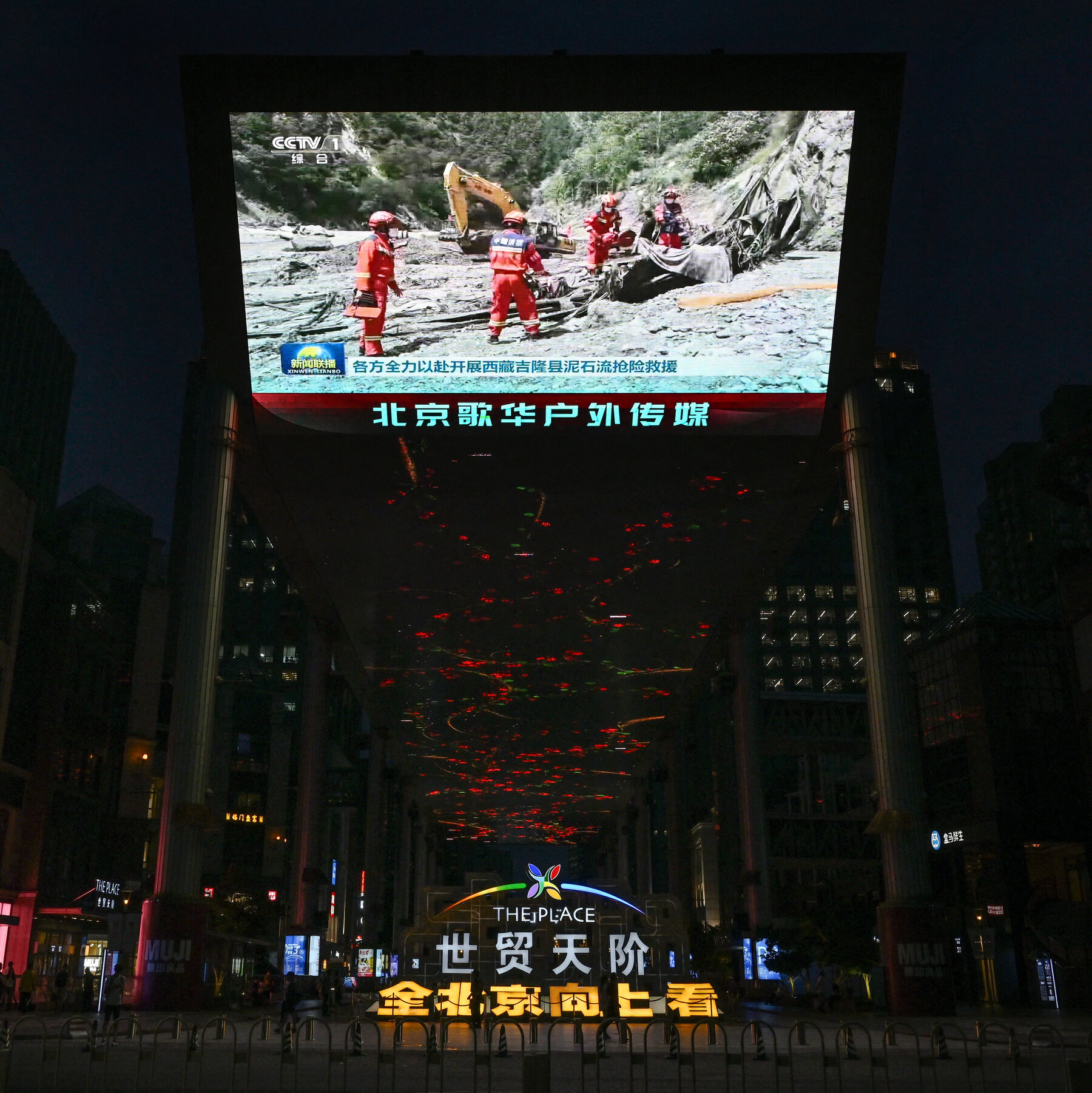
In stark contrast, the Chinese government maintains strict control over media narratives, especially in sensitive regions like Tibet. Official Chinese media coverage of the floods in Tibet has been notably sanitized, focusing predominantly on government-led rescue efforts and downplaying the scale of devastation and public distress. Independent reporting is heavily restricted, and social media posts critical of the government’s handling of the disaster are swiftly censored or removed.
This approach reflects a broader strategy aimed at maintaining social stability and projecting an image of effective governance. By controlling information, authorities seek to prevent public dissent and avoid exposing systemic weaknesses in disaster preparedness and infrastructure. However, this censorship can obscure the true extent of suffering and hinder the mobilization of external aid or internal reforms. The sanitized narrative risks creating a disconnect between official reports and the lived experiences of affected communities, potentially exacerbating mistrust.
Implications for Public Trust and Disaster Response
The divergent media environments in Nepal and Tibet have significant implications for public trust and the efficacy of disaster response. In Nepal, the open flow of information helps build trust between citizens and authorities, as people see their experiences acknowledged and addressed. This transparency can lead to more effective recovery efforts and long-term resilience planning, as feedback from affected communities informs policy and resource allocation.
Conversely, in Tibet, the suppression of critical voices and the presentation of a sanitized narrative may erode public trust over time. When the reality on the ground does not align with official reports, citizens may become skeptical of government communications, potentially leading to disengagement or unrest. Moreover, the lack of accurate information can impede timely and appropriate disaster relief, as needs assessments may be incomplete or inaccurate. This disconnect can delay recovery and prolong human suffering.
Balancing Stability and Transparency: Challenges for Authoritarian Regimes
China’s approach underscores the tension authoritarian regimes face between maintaining social stability and ensuring transparency. While controlling narratives can prevent immediate unrest, it risks long-term consequences by alienating the public and reducing accountability. The Tibet floods case exemplifies how censorship can limit the flow of vital information during crises, potentially exacerbating human suffering and undermining effective disaster management.
For governments, striking a balance between managing public perception and providing truthful reporting is critical. Transparent communication can enhance legitimacy and improve disaster management outcomes, but it requires a willingness to confront uncomfortable truths and accept scrutiny. Without this balance, the suppression of information may offer short-term control but at the cost of long-term resilience and public confidence.
Lessons and Recommendations for Media and Governments
The contrasting experiences of Nepal and Tibet offer valuable lessons for media practitioners and policymakers. For media, maintaining independence and courage in reporting disasters is essential to inform the public and hold authorities accountable. Accurate and comprehensive reporting ensures that the voices of affected communities are heard and that their needs are addressed.
For governments, fostering an environment where truthful reporting is permitted can strengthen disaster response and public confidence. Encouraging transparency not only aids in mobilizing resources efficiently but also builds trust that is crucial for social cohesion during crises.
International organizations and aid agencies should also consider media freedom as a factor in disaster preparedness and response strategies. Supporting independent journalism and advocating for information transparency can improve outcomes in crisis situations by ensuring that aid reaches those most in need and that policy reforms are informed by accurate data.
Ultimately, the goal should be to ensure that disaster narratives reflect the reality on the ground, enabling effective aid delivery, policy reform, and community resilience.
What this means
The contrasting media narratives surrounding the recent floods in Nepal and Tibet highlight the profound influence of political systems on disaster reporting and public perception. While Nepal’s open media environment facilitates a truthful and comprehensive understanding of the crisis, China’s censorship in Tibet restricts information flow and potentially undermines effective disaster response. For governments and media worldwide, these cases underscore the importance of transparency and accountability in managing natural disasters. Embracing open communication not only honors the experiences of affected communities but also strengthens resilience and trust, ultimately saving lives and fostering recovery.
This article was curated with AI assistance and reviewed according to Tamfis editorial settings.
Originally reported by nytimes.com. Adapted for our readers with AI assistance.