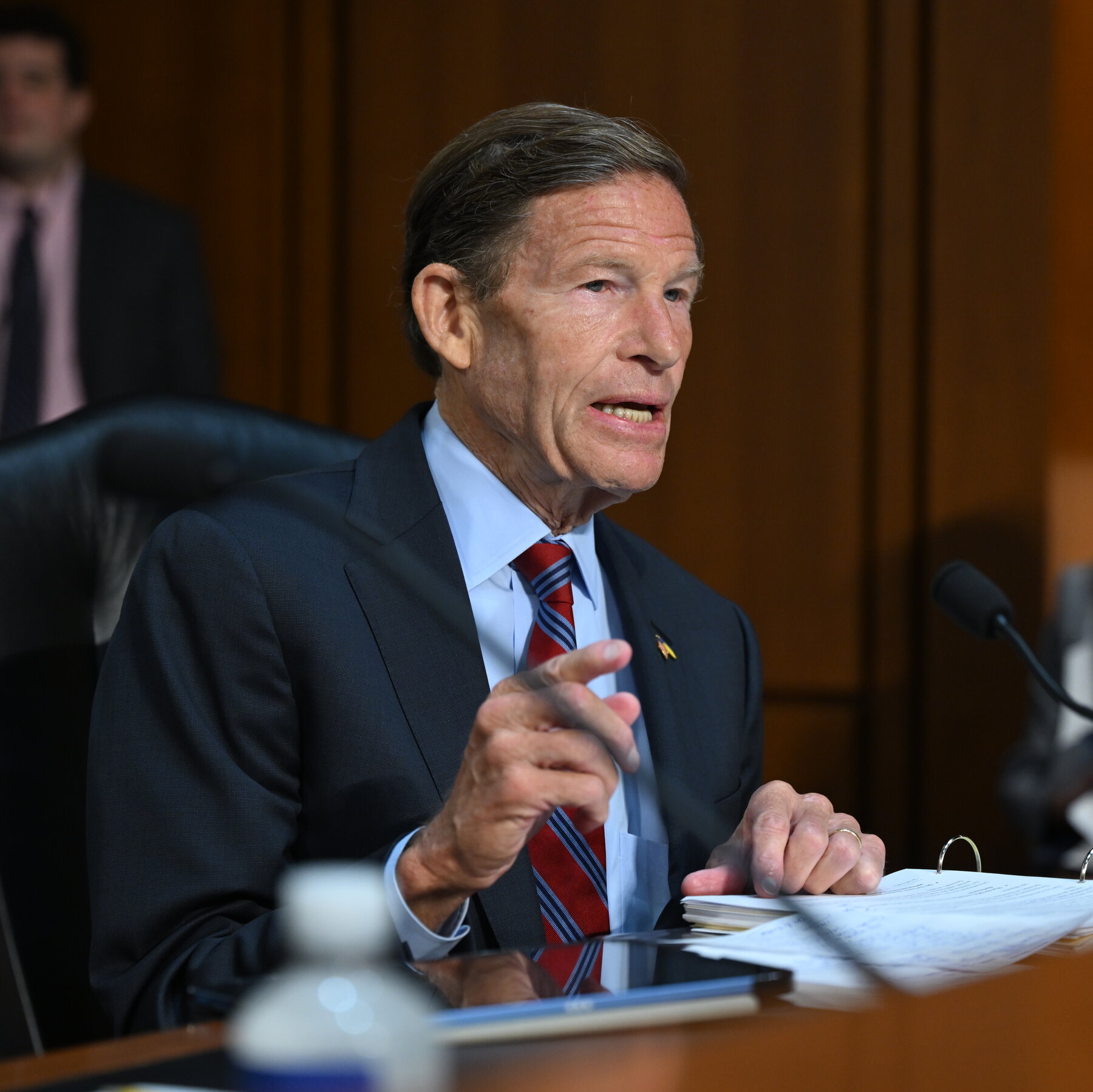

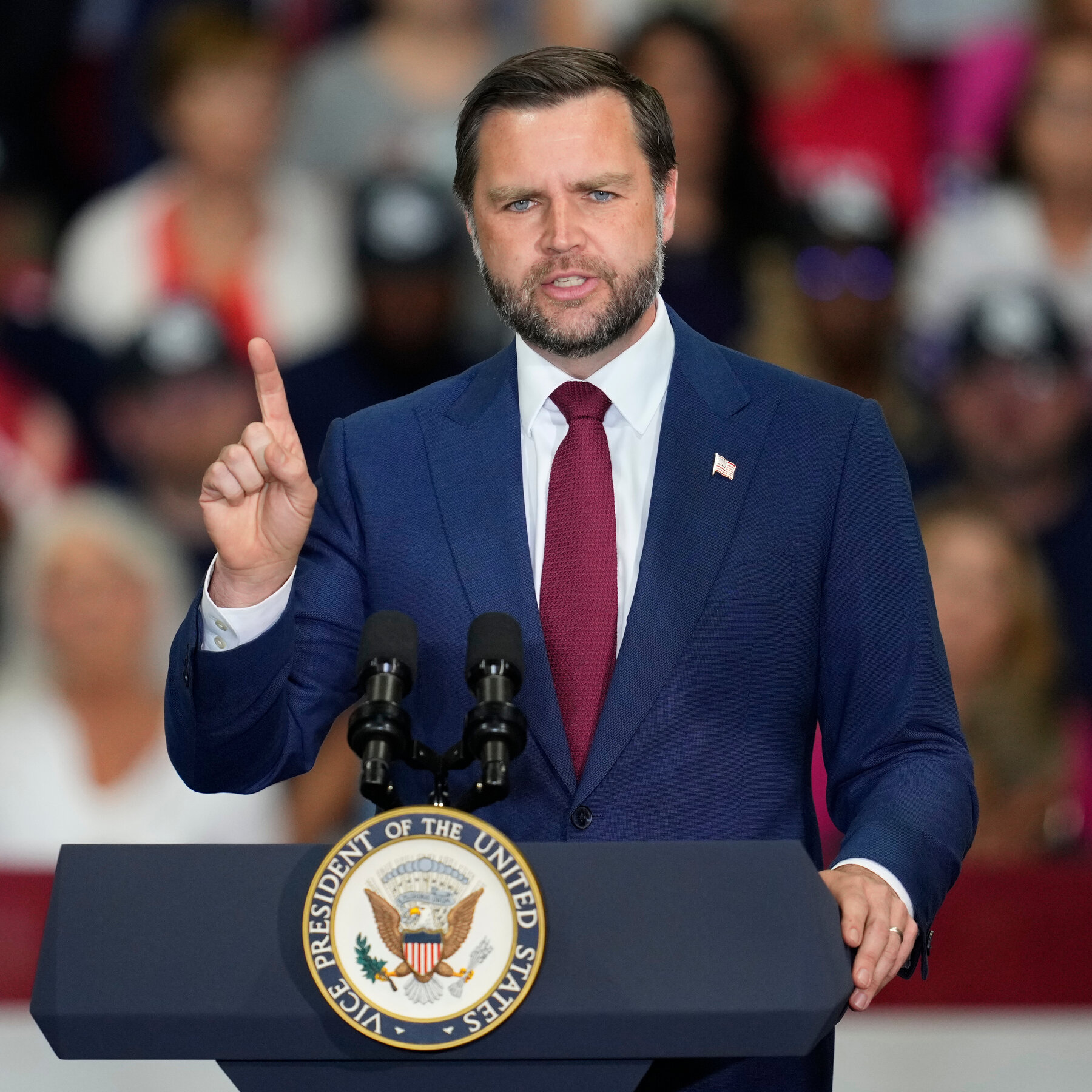
As the 2026 midterm elections approach, the Michigan Senate race has become a focal point of national attention. Vice President JD Vance, a prominent Republican figure, recently delivered a speech targeting Dr. Abdul El-Sayed, the Democratic nominee, with sharp personal attacks. Vance’s characterization of El-Sayed as 'evil' and his demand that El-Sayed keep his wife’s name out of his mouth have intensified the campaign’s contentious atmosphere. This article examines the implications of these remarks, the broader context of the Michigan Senate race, and what this means for political discourse and voter sentiment in a deeply divided electorate.
The Incident: A Personal Attack in a High-Stakes Race
During a recent campaign event, Vice President JD Vance confronted Dr. Abdul El-Sayed, Michigan’s Democratic Senate nominee, with unusually harsh language. Vance labeled El-Sayed 'evil' and explicitly told him to 'keep my wife’s name the hell out of your mouth.' This pointed and personal rebuke is notable for its intensity and for involving family members—a tactic often avoided in political discourse due to its potential to alienate voters and escalate tensions.
This confrontation marks a significant escalation in the tone of the Michigan Senate race. Both candidates are engaged in a competitive battle for a Senate seat that could influence the balance of power nationally. Vance’s remarks introduce a new level of personal animosity that may shift campaign dynamics, signaling a move away from traditional issue-based campaigning toward more aggressive, personality-driven conflict.
Contextualizing the Michigan Senate Race
Michigan has long been a battleground state with a diverse electorate capable of swinging between parties. The Senate seat up for grabs is critical, as control of the Senate remains closely contested on a national scale. Dr. Abdul El-Sayed, a public health expert and former Detroit health director, represents the Democratic Party’s effort to appeal to both progressive and moderate voters, emphasizing policies on healthcare, economic opportunity, and climate change.
JD Vance, known for his conservative views and previous political endeavors, brings a strong Republican presence to the race. His role as Vice President adds national significance and resources to the campaign, elevating its profile. The heightened rhetoric from both sides reflects the high stakes involved and the desire to energize their respective bases ahead of the election, underscoring Michigan’s importance as a political battleground.
The Impact of Personal Attacks in Political Campaigns
Personal attacks in political campaigns are not new, but their frequency and intensity have increased in recent years. Such tactics can be double-edged swords: while they may energize a candidate’s supporters, they risk alienating undecided voters who prefer issue-focused debates and can contribute to voter fatigue.
In this case, Vance’s use of the term 'evil' to describe El-Sayed is particularly strong language that frames the opponent in moral terms rather than focusing on policy disagreements. Additionally, invoking family members in political disputes—specifically telling El-Sayed to keep Vance’s wife’s name out of his mouth—can be perceived as crossing a line. This approach risks backfiring by eliciting sympathy for the targeted candidate and raising questions about the appropriateness of such rhetoric.
Political analysts suggest that while aggressive rhetoric can dominate headlines and rally core supporters, it may also deepen political cynicism and disengagement among the electorate. The challenge for candidates is to balance assertiveness with respect to maintain credibility and appeal to a broader range of voters.
Reactions from the Campaigns and Public
Following Vance’s speech, the El-Sayed campaign condemned the personal nature of the attacks, emphasizing their commitment to focusing on substantive policy issues such as healthcare reform, economic opportunity, and climate change. El-Sayed’s team framed the remarks as a distraction from meaningful debate and an attempt to shift attention away from voters’ concerns.
Public reaction has been mixed. Some voters expressed support for Vance’s direct and confrontational approach, viewing it as a sign of strong leadership and conviction in a polarized political environment. Others criticized the remarks as unnecessarily divisive and unbecoming of a high-ranking official, concerned that such personal attacks contribute to political toxicity.
Media coverage has highlighted the incident as emblematic of the increasingly polarized political climate, where personal grievances and attacks often overshadow substantive policy discussions. This dynamic raises concerns about the quality of political discourse and its impact on voter engagement.
Broader Implications for Political Discourse and Voter Engagement
The exchange between Vance and El-Sayed raises important questions about the state of political discourse in the United States. As campaigns become more combative and personal, there is a risk that voters become disengaged or disillusioned with the electoral process, potentially lowering turnout and weakening democratic participation.
Experts argue that while robust debate is essential for democracy, it should ideally focus on ideas, policies, and solutions rather than personal attacks. The Michigan Senate race serves as a case study in how the tone of political communication can influence public perception and participation, highlighting the delicate balance candidates must strike.
Looking ahead, both parties will need to consider how to balance passionate advocacy with respectful dialogue to foster a healthier political climate. Encouraging issue-based discussions and minimizing personal attacks could help restore voter confidence and promote more constructive engagement in the democratic process.
What this means
The Michigan Senate race has entered a new phase marked by heightened personal conflict, exemplified by Vice President JD Vance’s harsh remarks toward Dr. Abdul El-Sayed. While such rhetoric may rally core supporters, it also risks deepening divisions and distracting from substantive policy debates. As voters weigh their choices, the campaign’s tone could influence not only electoral outcomes but also the broader health of democratic engagement. Ultimately, the challenge for both candidates and the electorate will be to navigate this contentious environment while prioritizing informed discussion and respectful competition.
This article was curated with AI assistance and reviewed according to Tamfis editorial settings.
Originally reported by nytimes.com. Adapted for our readers with AI assistance.