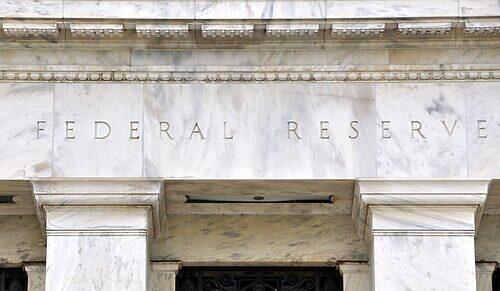

The Federal Reserve’s monetary policy decisions remain a pivotal factor influencing the housing market and mortgage rates. Following the January 2024 Federal Open Market Committee (FOMC) meeting and Chair Jerome Powell’s press conference, it became clear that the Fed is unlikely to initiate interest rate cuts in March, contrary to some market expectations. Instead, the central bank is adopting a cautious ‘waiting game,’ focusing on forthcoming economic indicators before adjusting policy. This article delves into the nuanced positions of housing experts, the potential timing and scale of rate cuts, and the critical economic data that will guide the Fed’s future moves, ultimately affecting homebuyers, lenders, and investors alike.
Fed’s Current Stance: Patience Over Immediate Rate Cuts
In the wake of the January 2024 FOMC meeting, Federal Reserve Chair Jerome Powell emphasized that immediate interest rate cuts are unlikely, signaling a more patient approach to monetary policy. This marks a shift from the previous meeting’s indication that rate cuts would be forthcoming sometime in 2024. Powell’s remarks suggest that the Fed is prioritizing a thorough assessment of economic conditions rather than succumbing to market pressures or political influences.
The Fed’s current stance reflects concerns about maintaining economic stability amid mixed data on inflation and employment. Despite inflation showing signs of easing, it remains above the central bank’s target, prompting policymakers to proceed cautiously. The labor market’s resilience also complicates the timing for cuts, as a strong job market can contribute to inflationary pressures, thereby reducing the urgency for rapid monetary easing.
This cautious approach means that any rate cuts will likely be gradual and data-dependent. The Fed is signaling that it will closely monitor key indicators such as inflation trends, wage growth, and unemployment rates before deciding on the pace and magnitude of rate reductions. This strategy aims to avoid premature easing, which could jeopardize the recent progress made in controlling inflation.
Diverging Views Among Housing Experts on Rate Cut Timelines
Within the mortgage and housing industry, opinions vary regarding when the Fed might begin cutting rates. Some analysts, like Logan Mohtashami of HousingWire, remain optimistic about potential rate cuts as early as March, citing the possibility that upcoming economic data could justify an accelerated easing cycle. Mohtashami projects up to three rate cuts in 2024, contingent on weakening labor market indicators.
Conversely, the Mortgage Bankers Association (MBA) anticipates a more measured approach, forecasting the first rate cut in May, followed by additional reductions throughout the year. MBA’s Chief Economist Mike Fratantoni highlights the rapid decline in inflation alongside a robust job market as key factors influencing this outlook. The MBA’s position reflects a balance between preventing overly restrictive real Fed funds rates and avoiding a sharp economic slowdown.
Meanwhile, mortgage lenders like Max Slyusarchuk of A&D Mortgage acknowledge mounting political pressure on the Fed to reduce rates sooner but stress that any significant easing is likely to materialize only in the second half of 2024. This cautious sentiment underscores the uncertainty permeating the housing market, where stakeholders await clearer signals from the Fed and economic data.
The Crucial Role of Incoming Economic Data
The Federal Reserve’s ‘waiting game’ strategy places immense importance on upcoming economic releases, which will heavily influence the timing and extent of rate cuts. Among the most closely watched data points are the monthly jobs reports and inflation figures, both of which provide critical insights into the economy’s health and inflationary pressures.
The January 2024 jobs report, scheduled for release shortly after the Fed’s statement, will be a key indicator. A weakening labor market, indicated by rising unemployment claims or slower job growth, could accelerate the Fed’s decision to cut rates. Conversely, continued strength in employment may delay easing, as the Fed seeks to avoid fueling inflation with premature cuts.
Similarly, inflation data due in mid-February will be scrutinized to assess whether price pressures are truly moderating. Persistent inflation above target levels could justify maintaining current rates longer, while a sharper-than-expected decline might prompt earlier rate reductions. This delicate balance keeps markets and housing professionals on edge, as small shifts in data can have outsized impacts on policy expectations.
Mortgage Rate Movements and Their Connection to Treasury Yields
Mortgage rates are intricately tied to the yield on 10-year U.S. Treasury bonds, which fluctuate based on investor expectations about Federal Reserve actions and broader economic conditions. When Treasury yields decline, mortgage rates typically follow suit, making home financing more affordable. Conversely, rising yields tend to push mortgage rates higher, dampening buyer demand.
Currently, mortgage rates remain in a volatile holding pattern as the market digests mixed signals from economic data and Fed communications. The bond market’s reaction to labor and inflation reports will be pivotal in determining the direction of mortgage rates in the near term. Investors’ confidence in the Fed’s ability to manage inflation without derailing growth is a key driver of Treasury yields.
Notably, labor market weakness can exert downward pressure on Treasury yields more quickly than Fed rate cuts themselves. If jobless claims rise or employment growth slows significantly, investors may anticipate a looser monetary policy environment sooner, pushing yields and mortgage rates lower. This dynamic underscores the interconnectedness of labor data, bond markets, and housing finance costs.
Market and Political Pressures on the Federal Reserve
Despite its commitment to data-driven decisions, the Federal Reserve faces considerable market and political pressures to ease monetary policy sooner rather than later. Rising borrowing costs have strained the housing market, contributing to slower home sales and affordability challenges. Policymakers must balance these economic realities against their mandate to maintain price stability.
Political actors and industry stakeholders have voiced concerns that prolonged high rates could stifle economic growth and exacerbate housing shortages. This external pressure adds complexity to the Fed’s decision-making process, as it seeks to preserve its independence while responding to evolving economic conditions and public sentiment.
However, the Fed’s communication strategy suggests a firm resolve to prioritize economic fundamentals over short-term market demands. Chair Powell’s clear messaging about the unlikelihood of a March cut reflects a desire to manage expectations and avoid market disruptions. This approach aims to maintain credibility and prevent premature easing that could undermine inflation control efforts.
Implications for the Housing Market and Homebuyers
The Fed’s cautious stance and the anticipated timing of rate cuts have significant implications for the housing market. Stable or elevated mortgage rates tend to dampen buyer enthusiasm, slow home sales, and constrain refinancing activity. Conversely, rate cuts can stimulate demand by lowering borrowing costs and improving affordability.
Housing professionals emphasize that the market remains in a holding pattern, awaiting clearer signals from the Fed and economic data. This uncertainty has led to cautious behavior among buyers and sellers, with many adopting a ‘wait and see’ approach. The timing and scale of potential rate cuts will be crucial in determining whether the market experiences a sustained rebound or continued sluggishness.
For prospective homebuyers, understanding the Fed’s strategy and the factors influencing mortgage rates is essential for making informed decisions. While some may benefit from waiting for potential rate reductions, others might consider locking in rates now to avoid possible increases if economic data surprises on the upside.
Forecasting Rate Cuts: What Housing Economists Expect
Leading housing economists generally agree on a gradual easing path for interest rates in 2024, though the precise timing remains uncertain. The consensus points toward the first rate cut occurring in May, followed by additional reductions dependent on economic developments throughout the year.
Experts like Mike Fratantoni of the Mortgage Bankers Association anticipate three rate cuts in total, driven by a combination of moderating inflation and a resilient labor market that nevertheless shows signs of softening. This forecast aligns with the Fed’s dual mandate of fostering maximum employment and price stability.
However, economists caution that unexpected economic shocks or stronger-than-expected data could delay or reduce the extent of cuts. The housing market’s sensitivity to interest rate changes means that even minor shifts in Fed policy can have ripple effects, underscoring the importance of monitoring economic indicators closely.
Looking Ahead: Navigating Uncertainty in 2024
As 2024 unfolds, the interplay between Federal Reserve policy, economic data, and housing market dynamics will shape the broader economic landscape. Stakeholders must prepare for continued volatility and adapt strategies accordingly, whether in lending, buying, or selling homes.
The Fed’s ‘waiting game’ approach underscores the importance of patience and vigilance. Market participants should closely monitor upcoming jobs reports, inflation data, and Treasury yields to anticipate shifts in monetary policy and mortgage rates. Flexibility and timely decision-making will be key to navigating this uncertain environment.
Ultimately, while the path forward remains complex, the Fed’s data-driven strategy aims to balance inflation control with economic growth, providing a foundation for more sustainable housing market conditions over the medium term. Housing professionals and consumers alike should remain informed and proactive as new information emerges.
Conclusion
The Federal Reserve’s decision to hold steady on interest rates for now signals a cautious and measured approach to monetary policy in 2024. While the housing market and mortgage industry eagerly anticipate rate cuts that could ease borrowing costs and stimulate demand, the Fed’s emphasis on incoming economic data means that timing remains uncertain. As inflation trends and labor market conditions unfold over the coming months, they will play a decisive role in shaping the trajectory of interest rates. For homebuyers, lenders, and investors, staying informed about economic indicators and Fed communications will be essential to making strategic decisions in this evolving landscape. Ultimately, the Fed’s data-driven waiting game underscores the complexity of balancing inflation control with economic growth, setting the stage for a year of cautious optimism in the housing sector.
Originally reported by gestyy.com. Adapted for our readers.