
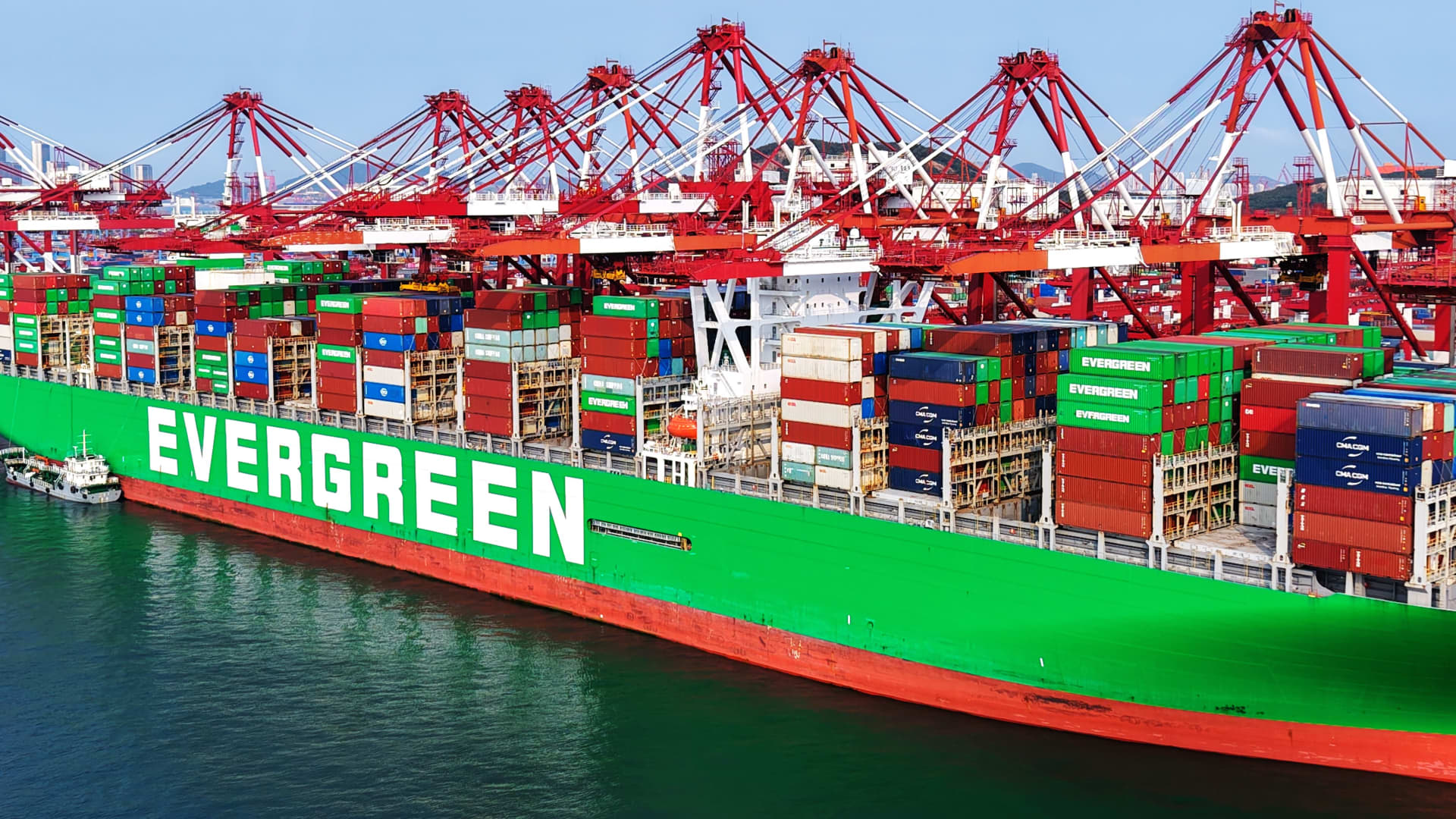

In recent years, the imposition of tariffs has become a prominent feature of international trade policy, especially under the Trump administration. While tariffs are often used as tools to protect domestic industries, their broader impact on the global economy can be profound. The United Nations Conference on Trade and Development (UNCTAD), the UN’s leading body on trade and development issues, has issued a stark warning about a potential 'cascade' effect of tariffs that could significantly slow global economic growth. This article explores the multifaceted consequences of tariff escalations, the disruption to global supply chains, and the disproportionate impact on less developed countries, drawing on insights from UNCTAD Secretary-General Rebeca Grynspan and recent economic data.
The Rising Tide of Tariffs and Global Trade Disruptions
The introduction of tariffs, particularly by the United States under President Trump, has initiated a series of disruptions across global supply chains. Tariffs on Chinese goods and retaliatory measures have created uncertainty among multinational corporations, leading many CEOs to delay investment and trade decisions. UNCTAD highlights that predictability and trust are essential for healthy trade and investment environments, both of which are currently under strain.
This uncertainty has tangible consequences. Companies are cautious about expanding operations or entering new markets when trade policies are unpredictable. The resulting slowdown in trade flows has ripple effects, affecting not only direct trade partners but also the broader global economy. The layering of tariffs on products that pass through multiple countries exacerbates these trade disruptions, creating inefficiencies and higher costs.
Moreover, tariffs have introduced a ‘cascade’ effect, where duties accumulate on goods as they move through complex supply chains. This phenomenon is particularly damaging for countries relying on transshipment strategies to avoid higher tariffs. The risk of additional tariffs on such goods threatens to unravel these supply chains, forcing companies to reconsider their sourcing and production strategies.
Impact on Less Developed Countries: A Disproportionate Burden
Less developed countries (LDCs) are bearing the brunt of tariff escalations, with UNCTAD projecting a potential 54% reduction in exports for the most vulnerable nations if current tariff threats materialize. For countries whose economies heavily depend on exports to the United States, such as Cambodia, the consequences are severe. Cambodian exports to the U.S. account for more than 10% of its GDP, making tariff-induced trade disruptions a critical threat to economic stability.
The potential loss of billions of dollars in export revenue could have profound social and economic implications for LDCs. Industries like garment manufacturing and travel goods, which are significant employers in these countries, face the risk of job losses and decreased income. This economic contraction could exacerbate poverty and undermine development progress achieved over recent decades.
Furthermore, the ‘cascade’ of tariffs compounds the difficulties for LDCs by increasing trade costs and reducing competitiveness. Many of these countries lack the capacity to absorb such shocks, making recovery and diversification more challenging. The resulting economic instability could also lead to increased social unrest and political tensions, further complicating development efforts.
Global Economic Growth Under Pressure
UNCTAD’s recent forecasts paint a sobering picture of the global economy. The organization has downgraded the global growth rate to 2.3% from an earlier estimate of 2.8%, signaling a significant slowdown. This reduction is partly attributed to the trade tensions and the uncertainty they generate, which are paralyzing business decisions worldwide.
Investment levels are back to those seen during the 2008 financial crisis, underscoring a broader climate of caution and risk aversion among businesses. Investment is a critical driver of economic growth, and its stagnation signals potential long-term consequences for productivity and job creation.
The slowdown is not uniform across regions but is particularly acute in economies heavily integrated into global trade networks. Countries reliant on exports and foreign investment are most vulnerable, facing reduced demand and disrupted supply chains. This uneven impact could widen global economic disparities and stall efforts to achieve sustainable development goals.
Inflationary Pressures and Consumer Impact
Tariffs contribute directly to inflation by increasing the cost of imported goods. In the United States, consumer inflation rose in June, driven partly by higher prices on goods subjected to tariffs. Although the Trump administration disputes the link between tariffs and inflation, independent analyses suggest that tariffs act as an additional cost burden on consumers.
Higher import prices translate to increased costs for manufacturers and retailers, which are often passed on to consumers. This dynamic can reduce purchasing power, dampen consumer spending, and slow economic growth further. Inflationary pressures also complicate monetary policy decisions for central banks, which must balance controlling inflation with supporting growth.
Beyond consumer goods, tariffs increase operational costs for companies that rely on global supply chains. The uncertainty surrounding tariffs discourages investment in efficiency improvements and innovation, potentially leading to longer-term inflationary trends and reduced competitiveness in global markets.
Shifting Supply Chains and the 'China Plus One' Strategy
In response to rising U.S.-China trade tensions, many companies adopted the 'China Plus One' strategy, relocating parts of their manufacturing to countries like Vietnam, Cambodia, and Malaysia. This approach aimed to mitigate risks associated with tariffs by diversifying supply chains across multiple countries.
However, this strategy is now under threat as the U.S. administration considers imposing tariffs on goods that use transshipment to circumvent Chinese tariffs. Such measures could negate the benefits of diversification and force companies to reconsider their supply chain configurations.
The potential re-shoring or further diversification of supply chains could lead to higher production costs and longer lead times. Countries that had benefited from increased manufacturing activity risk losing investment, jobs, and economic growth opportunities, highlighting the fragility of current global supply chain arrangements.
Geopolitical Risks and Maritime Trade Disruptions
Beyond tariffs, geopolitical tensions are adding to the risks facing global trade. Recent attacks on freight vessels in the Red Sea by Houthi forces have heightened concerns about maritime security along critical shipping routes.
The disruption of these 'choke points' impacts the entire global trading system, increasing shipping costs, insurance premiums, and transit times. For example, the war premium on marine insurance has risen by 1% of the ship’s value, equating to millions of dollars per vessel, while carriers are forced to take longer, costlier routes to avoid the region.
These factors contribute to inflationary pressures and supply chain delays, compounding the economic challenges already posed by tariffs. The fragility of global maritime infrastructure underscores the interconnectedness of geopolitical stability and economic health.
Prospects for Trade Negotiations and Economic Recovery
While tariff escalations have created uncertainty, there are signs that trade negotiations remain a priority for the U.S. administration. UNCTAD acknowledges that efforts to reach new trade agreements are positive but cautions that such deals are complex and time-consuming to finalize.
The prolonged negotiation process means that uncertainty will persist in the short to medium term, continuing to weigh on investment and growth. Businesses require clear and stable trade rules to plan and invest effectively, and the current environment falls short of these needs.
For economic recovery to gain momentum, restoring trust and predictability in international trade is essential. Multilateral cooperation and dialogue, supported by international organizations like the UN, will play a crucial role in addressing trade tensions and fostering sustainable global growth.
Long-Term Implications for Global Development and Stability
The cascading effect of tariffs threatens to undermine decades of progress in global development. Economic slowdowns, trade disruptions, and inflationary pressures disproportionately affect vulnerable populations, risking increased poverty and inequality.
Countries heavily dependent on export-led growth face stagnation, which can erode social cohesion and political stability. The potential for job losses in key industries exacerbates these risks, making inclusive and sustainable economic policies more critical than ever.
Addressing these challenges requires coordinated international responses that balance protection of domestic interests with the promotion of open, fair, and predictable trade systems. The United Nations and its agencies have a vital role in facilitating dialogue and supporting countries in navigating these complex economic dynamics.
Conclusion
The warning from UNCTAD’s Secretary-General Rebeca Grynspan about a tariff 'cascade' effect highlights the interconnected challenges facing the global economy today. Trade tensions, compounded by geopolitical risks and shifting supply chains, are slowing growth and raising costs worldwide. Less developed countries, in particular, face severe consequences that threaten economic and social stability. While negotiation efforts offer a path forward, restoring trust and predictability in trade policies is critical for sustainable growth. Addressing these issues requires coordinated international cooperation to ensure that the global trading system supports development, stability, and prosperity for all nations.
Originally reported by cnbc.com. Adapted for our readers.