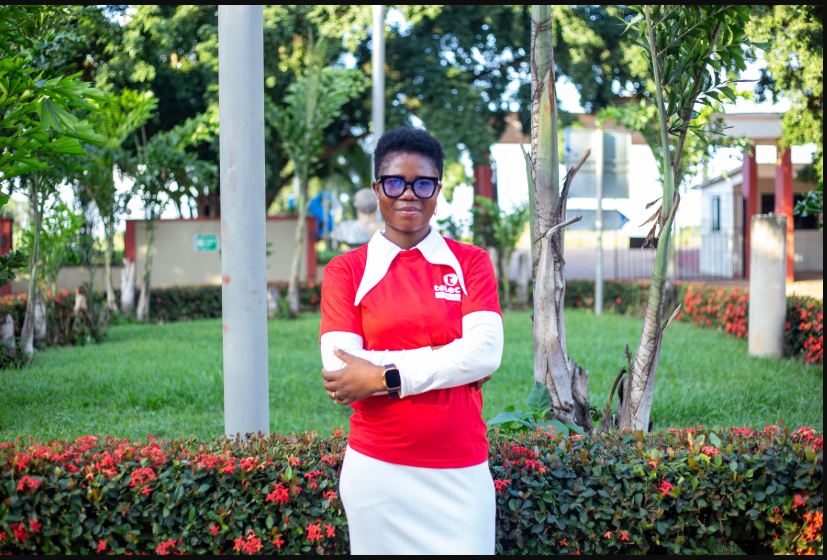

Agribusiness remains a cornerstone of Ghana's economy, with women playing an integral role throughout the agricultural value chain. Despite their significant contributions, many women in agribusiness face barriers such as limited access to digital technologies and financial literacy, which hinder their potential for growth and sustainability. Recognizing this challenge, the Telecel Foundation has launched initiatives to equip women with essential digital and financial skills. These efforts not only empower women entrepreneurs but also enhance food security and economic development in regions like Bono. This article explores how the Telecel Foundation is making a difference by bridging knowledge gaps and fostering innovation among women in agribusiness.
The Importance of Women in Ghana’s Agribusiness Sector
Women constitute a substantial portion of Ghana's agricultural workforce, engaging in activities ranging from farming and processing to trading and retailing. Their involvement is critical in ensuring food production and supply chains remain robust. However, many women operate small-scale businesses with limited access to modern tools and technologies, which restricts their productivity and income potential.
Traditionally, women in agribusiness have faced challenges such as inadequate access to credit, lack of market information, and limited training opportunities. These factors contribute to lower profitability and sustainability compared to their male counterparts. Addressing these gaps is essential for enhancing their role in the agricultural economy and improving livelihoods.
Empowering women with digital and financial skills can transform their agribusiness ventures. Digital literacy enables them to market products online and connect with buyers beyond local markets, while financial skills help in managing resources effectively and accessing formal financial services. The Telecel Foundation’s initiatives are designed to tackle these specific challenges.
Telecel Foundation’s Vision and Commitment
The Telecel Foundation, as the corporate social responsibility arm of Telecel Ghana, is dedicated to uplifting communities through education, technology, and sustainable development. A key focus area is supporting women entrepreneurs in agribusiness by enhancing their capacity to leverage digital tools and sound financial practices.
Understanding the critical role women play in food production and economic development, the Foundation commits resources to programs that build practical skills and knowledge. Their approach combines training workshops, digital access facilitation, and partnerships with local organizations to maximize impact.
By fostering digital inclusion and financial empowerment, the Telecel Foundation aims to break down barriers that have traditionally limited women’s participation in the modern agribusiness economy. This aligns with broader national goals for gender equality and economic resilience in the agricultural sector.
Comprehensive Training Programs for Women in Agribusiness
One of the Foundation’s flagship initiatives involves organizing intensive training workshops tailored for women across the agribusiness value chain. These sessions focus on practical skills such as online marketing, social media management, financial planning, and digital transactions.
For example, in the Bono Region, a two-day workshop brought together over 230 women farmers, processors, traders, and retailers. Facilitators from Wan-Hive Ghana, a community of female entrepreneurs, led sessions on creating business pages, optimizing social media platforms like Instagram and Pinterest, and developing customer engagement strategies.
Participants also received hands-on guidance on adopting financial habits that support business sustainability, including budgeting, expense tracking, and accessing digital payment platforms such as Telecel Cash. Each attendee was provided with a SIM card bundled with data, voice, and SMS services, enabling immediate application of their new skills.
Digital Marketing: Expanding Reach and Visibility
Digital marketing is a powerful tool that women in agribusiness can use to reach broader markets and increase sales. Through the Telecel Foundation’s training, women learn to harness social media platforms to showcase their products, tell their brand stories, and build loyal customer bases.
For instance, Francisca Asiedu, founder of Eco Harvest Farm & Hub, discovered how platforms like Instagram and Pinterest could significantly enhance her farm’s visibility beyond local boundaries. She plans to redesign her online marketing strategy to attract buyers from across Ghana and potentially international markets.
By mastering digital marketing, women entrepreneurs can also reduce reliance on traditional middlemen, increasing their profit margins and gaining direct access to consumers. This empowerment fosters greater independence and business growth.
Financial Literacy and Digital Transactions for Business Sustainability
Financial literacy is crucial for managing resources, making informed decisions, and ensuring the longevity of agribusiness ventures. The Telecel Foundation’s programs emphasize budgeting, record-keeping, and understanding financial products tailored to small businesses.
Moreover, the introduction of Telecel Cash as a digital payment solution enables safer, faster, and more transparent transactions. Women learn how to use this platform for everyday business activities, from receiving payments to paying suppliers, which enhances efficiency and reduces risks associated with cash handling.
This integration of financial skills and digital tools helps women maintain accurate financial records, access credit facilities, and build credit histories—key factors for scaling their businesses and attracting investment.
Community Impact and Food Security Enhancement
By equipping women with digital and financial skills, the Telecel Foundation contributes to strengthening local food systems. Empowered women entrepreneurs are better positioned to increase production, improve product quality, and distribute goods effectively, which benefits entire communities.
The Bono Region, known as a major food basket in Ghana, has seen tangible improvements through these initiatives. Women’s enhanced capabilities translate into greater food availability, reduced post-harvest losses, and improved household incomes, contributing to overall food security and economic stability.
Furthermore, female-led agribusinesses often reinvest earnings into their families and communities, amplifying the social impact of such empowerment programs. This holistic approach fosters sustainable development and resilience in rural areas.
Inspirational Stories: From Advocacy to Agribusiness Success
Francisca Asiedu’s journey exemplifies the transformative power of combining passion with skills development. Initially a journalist advocating for youth involvement in agriculture, she transitioned to becoming a successful farmer and entrepreneur by embracing digital and financial literacy.
Her Eco Harvest Farm & Hub now spans 25 acres and includes diverse agricultural activities such as crops, livestock, and food processing. By applying her newly acquired skills, she plans to support other women in the agribusiness value chain and expand her market reach beyond Ghana.
Initiatives like these highlight how targeted support from organizations like the Telecel Foundation can catalyze individual success stories that inspire wider community participation and innovation in agriculture.
Future Prospects and Continuous Support
The Telecel Foundation recognizes that skill-building is an ongoing process. To sustain momentum, it plans to expand training programs to more regions and incorporate advanced modules on e-commerce, agritech innovations, and financial management.
Partnerships with local schools, such as Farm Clubs introduced by Eco Harvest Hub, aim to nurture interest in agribusiness among younger generations. These clubs use digital tools to teach basic farming and entrepreneurship concepts, ensuring a pipeline of skilled future agripreneurs.
With continuous support, women in agribusiness will be better equipped to navigate challenges, seize new opportunities, and contribute significantly to Ghana’s economic growth and food security.
Conclusion
The Telecel Foundation’s commitment to equipping women in agribusiness with digital and financial skills is a transformative force in Ghana’s agricultural landscape. By addressing critical knowledge gaps and providing practical tools, the Foundation empowers women to expand their businesses, access wider markets, and contribute meaningfully to food security and economic resilience. The success of training initiatives and inspiring stories like that of Francisca Asiedu underscore the potential of targeted interventions to foster sustainable development. As these programs grow and evolve, they promise to create a more inclusive, innovative, and prosperous agribusiness sector where women lead with confidence and competence.
Originally reported by ghanaiantimes.com.gh. Adapted for our readers.