
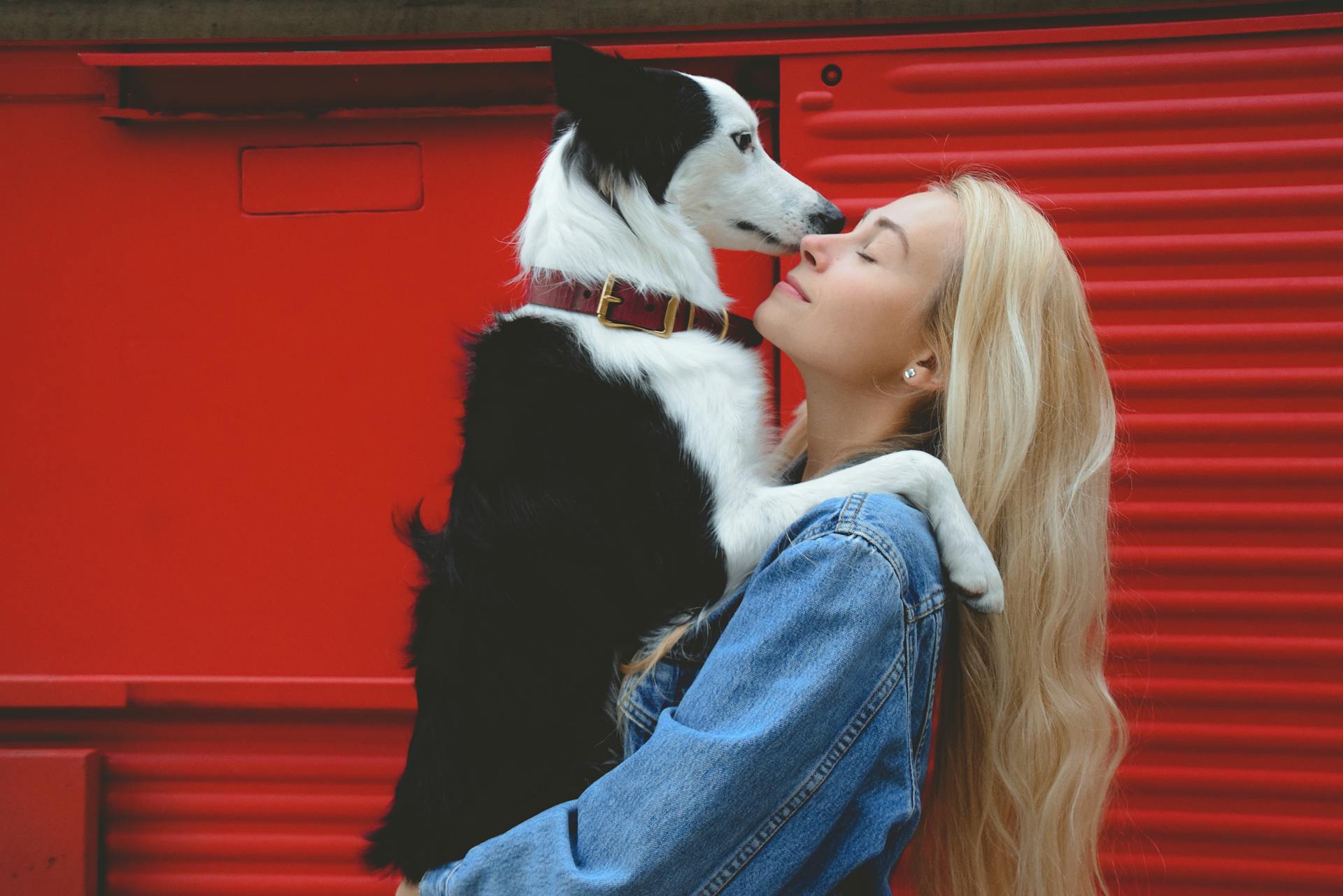

In today's evolving work landscape, balancing personal responsibilities with career demands can be challenging. For a 30-year-old dog owner, this balance has become particularly difficult due to her dog’s severe separation anxiety. Refusing to take in-office jobs, she has struggled with inconsistent income streams, highlighting the financial and emotional strain pet owners can face. This article delves into her story, the broader context of remote work and the gig economy, the psychological impact of pet separation anxiety, and practical solutions for owners grappling with similar challenges.
The Personal Struggle: Choosing Pets Over Traditional Employment
The woman at the center of this story has made a conscious decision to prioritize her dog’s wellbeing over the stability of a traditional office job. Her dog suffers from severe separation anxiety, making it difficult for her to leave the pet alone for extended periods. This has led her to reject in-office roles, which typically require consistent, on-site presence during business hours.
Her income has become unstable as a result. She has held a remote job for about a year and previously took on short-term gigs, but these opportunities have dwindled. The challenge lies in securing remote work that accommodates her need to be physically present with her dog, which limits her employment options significantly.
Financial experts have found it difficult to assist her in creating a practical budget due to her irregular earnings and reluctance to adapt to more traditional employment structures. This highlights the complex intersection of emotional attachment to pets and financial realities faced by many pet owners today.
Remote Work and the Competitive Gig Economy Landscape
Remote work has surged in popularity, particularly since the COVID-19 pandemic reshaped how businesses operate. However, the competition for remote positions has intensified dramatically. High-skilled professionals affected by tech industry layoffs have flooded the market, making it harder for less specialized candidates to secure stable remote jobs.
The gig economy has expanded rapidly, with over one-third of the U.S. workforce freelancing in some capacity. This includes a broad range of skilled work such as coding, marketing, and counseling. Many freelancers now blend online and offline gigs to maintain financial stability amid economic uncertainty.
While remote and gig work offer flexibility, they often come with inconsistent income streams. Unlike traditional office jobs, remote roles may provide sporadic payments, complicating long-term financial planning. For those like the woman in this story, these factors contribute to ongoing financial instability.
Understanding Dog Separation Anxiety and Its Impact on Owners
Separation anxiety in dogs is a growing concern for many pet owners. Studies reveal that nearly half of dog parents experience anxiety when separated from their pets, which can manifest as reluctance to leave the dog alone or refusal to travel without them. This emotional connection significantly influences owners’ lifestyle choices.
The pandemic exacerbated this issue, as many people worked remotely and spent more time with their pets. Returning to office environments proved difficult for some, forcing them to reconsider job roles or seek flexible work options to accommodate their pets’ needs.
Traumatic past experiences, such as a pet’s illness during boarding or neglect by pet sitters, can intensify owners’ fears of leaving their dog unattended. Additionally, rescued dogs with a history of trauma often require extra emotional support, further tethering owners to constant caregiving.
Challenges Faced by Financial Advisors in Cases Like This
Financial professionals often encounter difficulties when clients prioritize pet care over stable income sources. In this case, the woman’s refusal to accept in-office work limited the advisor’s ability to create a viable budget or financial plan. Without consistent earnings, projecting expenses and savings becomes impractical.
Advisors recommend flexibility and openness to different employment types for financial stability. However, when emotional factors such as pet separation anxiety dominate decision-making, it can hinder progress. The advisor in this situation ultimately acknowledged the limits of financial guidance when clients resist adapting to economic realities.
This case underscores the importance of holistic financial planning that considers emotional and lifestyle factors. Advisors must balance empathy with practical advice, helping clients find solutions that support both their financial health and personal values.
Strategies to Alleviate Dog Separation Anxiety
Experts suggest that fostering independence in dogs is key to reducing separation anxiety. Training programs designed to gradually increase the time dogs spend alone help pets adjust and build confidence. Early intervention after adoption is particularly effective in preventing severe anxiety.
Behavioral seminars and consultations with animal psychologists can provide owners with tools and reassurance. Understanding that short periods of separation can be healthy for both dog and owner encourages gradual change and reduces emotional resistance to leaving pets alone.
For owners dealing with long-term separation anxiety issues, gradual desensitization and positive reinforcement techniques can improve outcomes. These strategies not only benefit the dog but also empower owners to pursue more stable employment opportunities without guilt or fear.
Balancing Pet Care with Career Goals
Finding a balance between caring for a pet with special needs and maintaining a sustainable career requires creativity and flexibility. Some owners explore hybrid work arrangements or part-time roles that allow them to be home during critical times for their pets.
Involving trusted family members or professional pet sitters can provide necessary breaks for owners to pursue work outside the home. While this may be difficult emotionally, it can be a practical step toward financial stability and reducing stress for both parties.
Technology also offers solutions, such as pet monitoring devices and interactive toys, which can help alleviate a dog’s anxiety during short absences. These tools can support owners in gradually increasing their time away while ensuring their pet’s comfort.
Future Outlook: Remote Work, Pet Ownership, and Financial Stability
The future of work continues to evolve, with remote and flexible roles becoming increasingly common. For pet owners, this trend presents both opportunities and challenges. Flexibility can accommodate pet care needs, but competition for remote jobs remains fierce, requiring continuous skill development.
The gig economy is expected to grow significantly in the coming years, offering diverse income streams. However, the irregular nature of freelance work demands robust financial planning and adaptability, especially for those prioritizing pet care responsibilities.
Ultimately, achieving financial stability while managing a pet’s separation anxiety requires a multifaceted approach. Combining training, support networks, and flexible employment options can help owners maintain both their livelihoods and their pets’ wellbeing.
Conclusion
The story of a 30-year-old dog owner who refuses in-office jobs due to her pet’s separation anxiety sheds light on the complex interplay between emotional bonds and financial necessities. While her dedication to her dog is admirable, it has resulted in unstable income and heightened financial stress. As remote work and the gig economy expand, pet owners must navigate competitive job markets and inconsistent earnings. Addressing separation anxiety through training and support, alongside exploring flexible work options, can help owners achieve a healthier balance. Ultimately, embracing a holistic approach that considers both emotional wellbeing and financial realities is key to sustaining a fulfilling life for both pets and their owners.
Originally reported by ibtimes.co.uk. Adapted for our readers.