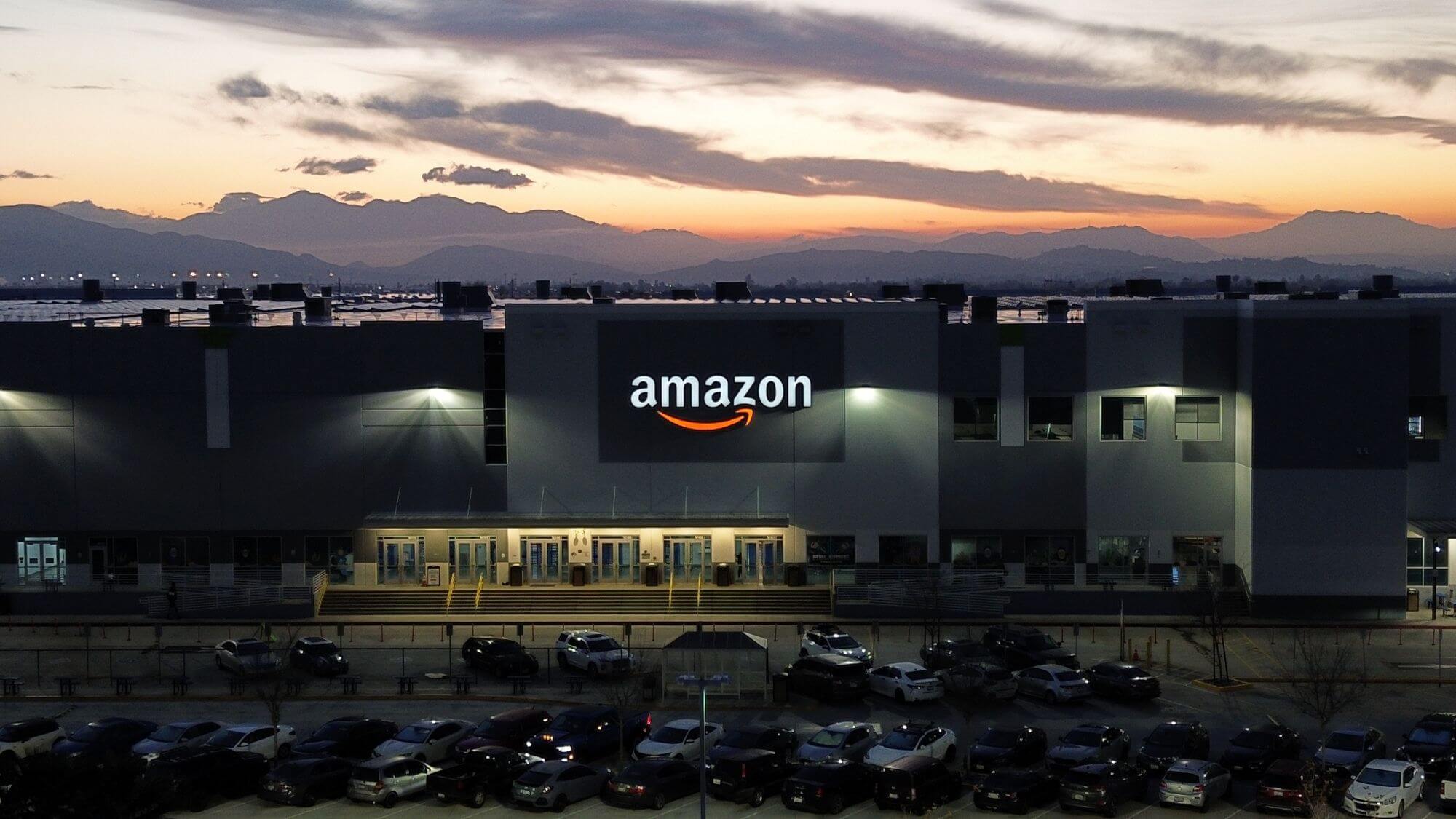

Amazon, one of the world’s largest and most influential technology companies, is embarking on its biggest layoff cycle ever, planning to cut approximately 30,000 corporate jobs. While such a significant workforce reduction might alarm investors, Wall Street’s confidence in Amazon’s long-term growth remains unwavering. This article delves into the reasons behind these job cuts, their implications for the company and its employees, and why analysts maintain a bullish stance on Amazon’s stock despite the headline-grabbing layoffs.
Overview of Amazon’s Job Cuts: Scale and Scope
Amazon’s announcement to reduce its corporate workforce by about 30,000 employees marks the largest layoff cycle in the company’s history. This reduction follows an initial wave of approximately 14,000 cuts in October, with a second wave beginning as early as next week, collectively impacting nearly 8.5% of Amazon’s 350,000 corporate staff. When considering Amazon’s total global workforce, including warehouse and logistics employees totaling 1.57 million, the cuts represent a smaller fraction of its overall workforce but highlight a significant shift in corporate staffing.
The job cuts affect multiple key divisions including Amazon Web Services (AWS), retail operations, Prime Video, and the People Experience and Technology team. Though precise numbers within each unit remain undisclosed, the breadth of affected departments signals a company-wide effort to streamline operations and focus on core priorities. This move represents a strategic recalibration rather than a simple cost-cutting exercise.
Historically, Amazon’s growth trajectory has been rapid and expansive, especially from 2017 through 2022. Such rapid expansion led to an increase in management layers and bureaucratic complexity. These layoffs are largely viewed as a way to reduce those layers, improve operational efficiency, and better position the company for future innovation and competition.
Leadership’s Perspective: Why the Cuts Are Happening
CEO Andy Jassy has been transparent about the rationale behind the layoffs, emphasizing that the decision is not driven by financial stress or automation replacing human roles. Instead, he highlights the need to reduce bureaucracy and flatten management structures that accumulated during Amazon’s rapid growth phase. Jassy pointed out that the company had grown too layered, making it harder to innovate and move quickly.
Beth Galetti, Amazon’s Chief Human Resources Officer, echoed this sentiment by describing the layoffs as a strategic reallocation of resources. She emphasized that the company is doubling down on its “biggest bets,” with artificial intelligence (AI) being a top priority. Rather than cutting jobs due to AI automation, the company is investing heavily in AI infrastructure, data centers, and chip development while streamlining other parts of the organization.
This approach signals a cultural shift within Amazon, focusing on agility and efficiency. The company aims to maintain its competitive edge by ensuring that its workforce is aligned with strategic growth areas, especially in AI and cloud computing, rather than merely reducing headcount for cost savings.
Impact on Key Amazon Divisions
The job cuts span several critical Amazon divisions. AWS, Amazon’s cloud computing arm and one of its most profitable units, will see some reductions, though the company continues to invest heavily in expanding its cloud services and infrastructure. The cuts here are aimed at removing redundant roles rather than scaling back growth initiatives.
Retail operations, which represent Amazon’s core e-commerce business, are also affected. The company is refocusing its retail strategies to improve profitability and customer experience amid changing consumer behaviors and economic conditions. Streamlining management in retail is expected to enhance decision-making and operational efficiency.
Prime Video, Amazon’s streaming entertainment service, faces workforce reductions as well. This reflects a broader industry trend where streaming platforms are reassessing content spend and operational costs to achieve sustainable growth. The People Experience and Technology team, responsible for HR and internal systems, is also being restructured to support a leaner organizational model.
Wall Street’s Reaction: Maintaining Confidence Amid Layoffs
Despite the significant layoffs, Wall Street’s reaction has been muted and largely positive. Analysts view these job cuts as part of a necessary realignment rather than a signal of financial distress. The consensus among 47 analysts is overwhelmingly optimistic, with 46 rating Amazon as a Strong Buy and only one recommending a Hold position.
The average 12-month price target for Amazon stock stands around $294.45, implying approximately 26% upside potential from current trading levels. This bullish outlook reflects confidence in Amazon’s continued dominance in cloud computing, e-commerce, and emerging technologies such as AI.
Investors are particularly focused on Amazon’s upcoming earnings report scheduled for February 5. The report is expected to provide insights into AWS’s performance and the company’s progress in AI-driven initiatives, which are viewed as critical growth drivers moving forward.
The Role of AI and Automation in Amazon’s Workforce Strategy
There has been speculation that AI and automation are directly replacing jobs, but Amazon’s leadership has pushed back against this narrative. CEO Andy Jassy clarified that the layoffs are not primarily due to AI-driven automation but are instead focused on reducing management layers and bureaucracy.
That said, Amazon continues to invest billions of dollars in AI infrastructure, data centers, and chip technology to support its long-term strategic goals. These investments suggest that while AI may not be the immediate cause of job cuts, it will play a significant role in transforming Amazon’s business operations in the future.
The company’s approach appears to be balancing innovation with cost discipline. By streamlining its workforce and management structure now, Amazon is positioning itself to better integrate AI technologies and maintain operational agility, which will be crucial in the highly competitive tech landscape.
Employee Impact and Transition Support
Amazon’s layoffs have understandably impacted thousands of employees, many of whom have been with the company for years. The company has provided affected employees with a 90-day transition period to seek internal positions or find new employment opportunities outside the company. This approach aims to soften the blow and retain valuable talent where possible.
The transition period for the initial wave of October layoffs is set to expire just as the second wave of cuts begins. This timing underscores the company’s methodical approach to workforce restructuring, allowing time for redeployment and adjustment rather than abrupt job losses.
While the cuts are significant, Amazon’s commitment to offering transition support reflects awareness of the human impact and a desire to maintain morale and goodwill among remaining employees. This balance is critical as the company navigates a period of cultural and operational change.
Long-Term Outlook: Why Investors Should Stay Bullish
Amazon’s long-term growth potential remains robust despite the layoffs. The company’s dominant position in cloud computing through AWS, its massive e-commerce ecosystem, and its growing footprint in AI and entertainment provide multiple avenues for revenue expansion and profitability.
The workforce reductions are strategic moves to streamline operations and enhance agility, not signs of financial trouble. By cutting excess management layers, Amazon aims to speed up decision-making and innovation, positioning itself to capitalize on emerging market opportunities more effectively.
Wall Street’s strong buy ratings and optimistic price targets reflect confidence that Amazon’s core businesses will continue to thrive. Investors are advised to focus on upcoming earnings and strategic developments rather than short-term workforce adjustments.
Conclusion
Amazon’s announcement to reduce its corporate workforce by 30,000 employees is a significant development but not a cause for investor alarm. The cuts are strategic, aimed at streamlining management, reducing bureaucracy, and reallocating resources toward high-growth areas such as AI and cloud computing. Despite the headline-grabbing nature of these layoffs, Wall Street remains confident in Amazon’s future, reflected in strong buy ratings and optimistic price targets. For investors, the key will be monitoring Amazon’s upcoming earnings and its progress in executing its strategic priorities, which continue to position the company as a dominant force in technology and commerce.
Originally reported by coincentral.com. Adapted for our readers.