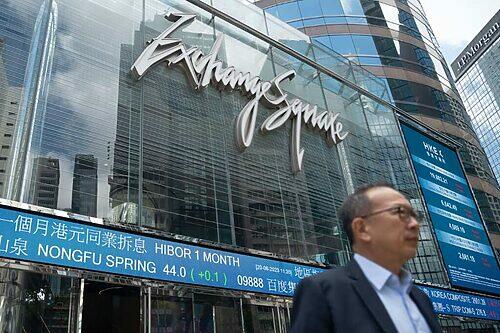

Asian financial markets started the week on a cautious note, reacting to a mixed employment report from the United States that has left investors uncertain about the Federal Reserve's future monetary policy. The report revealed slower-than-expected job growth but persistent wage increases, fueling speculation about whether the Fed will continue raising interest rates or pause to assess economic conditions. At the same time, global markets are navigating a complex landscape of geopolitical risks, inflation trends, and economic growth concerns—particularly influenced by developments in China and energy markets. This comprehensive analysis delves into the recent market movements across Asia, the underlying causes, and what investors should watch going forward.
Overview of the US Jobs Report and Its Market Impact
The US monthly jobs report released last Friday showed that nonfarm payrolls increased by fewer new jobs than anticipated, signaling a potential slowdown in the labor market. This weaker job creation figure initially suggested the Federal Reserve might hold off on further interest rate hikes, offering some relief to global investors wary of tightening monetary policy.
However, the report also highlighted stronger-than-expected wage growth, which sustains inflationary pressures and supports the case for the Fed to maintain a hawkish stance. This mixed data left traders divided on the likelihood of additional rate hikes this year, with market sentiment swinging as investors reassessed the economic outlook.
The combination of slower job growth and resilient wage inflation has created uncertainty, prompting volatility in both US and Asian markets as investors try to gauge the Fed's next steps. The consensus remains cautious, with many expecting at least one more rate increase before the end of 2023, followed by possible rate cuts in 2024.
Asian Markets’ Reaction to the Mixed US Data
Asian equities experienced a fluctuating start to the week as investors digested the ambiguous signals from the US labor market. Key indices such as Tokyo’s Nikkei 225 remained flat, reflecting hesitation among traders, while markets in Hong Kong, Shanghai, Sydney, and Wellington saw slight declines amid concerns about global growth and monetary tightening.
Conversely, some regional markets including Singapore, Taipei, Manila, and Jakarta managed modest gains, supported by local economic factors and investor optimism about easing inflation in certain economies. This divergence underscores the varied economic conditions across Asia and differing investor risk appetites.
The mixed performance highlights the sensitivity of Asian markets to US economic data and the ongoing uncertainty about global monetary policies. Investors are balancing hopes for a Fed pause with worries about persistent inflation and its impact on corporate earnings and capital flows.
Federal Reserve’s Policy Outlook and Market Sentiment
The Federal Reserve remains at the center of market focus as participants debate the trajectory of interest rates. Fed officials have expressed differing views, with some advocating patience and others signaling the potential need for further hikes to ensure inflation is firmly under control.
Chicago Fed President Austan Goolsbee emphasized patience, suggesting that maintaining current borrowing costs could be sufficient to bring inflation down without triggering a recession. He highlighted the restrictive nature of holding rates at elevated levels, which could gradually cool demand and price pressures.
On the other hand, policymakers like Governor Michelle Bowman have cautioned that additional rate increases might be necessary to stabilize prices. Market strategists warn that while moving inflation from high double digits to moderate levels was relatively straightforward, the final push to the Fed’s 2% target will likely be more challenging and could require sustained monetary tightening.
Global Economic Risks Influencing Asian Markets
Beyond US monetary policy, Asian markets are contending with broader global risks including geopolitical tensions, energy supply concerns, and uncertainties surrounding China’s economic recovery. Recent drone attacks on Russian oil tankers in the Black Sea have heightened fears over energy security, pushing crude oil prices higher and increasing transportation costs.
These developments threaten to exacerbate inflationary pressures in energy-importing Asian economies, potentially undermining growth prospects. Analysts warn that freight rates for crude oil shipments to key Asian markets like India could surge significantly, impacting corporate margins and consumer prices.
Meanwhile, China’s efforts to stimulate growth have yet to yield decisive results, keeping investors cautious. The absence of robust policy measures to support the world’s second-largest economy contributes to volatility in regional markets, as global investors weigh the risks of slower Chinese demand against ongoing supply chain adjustments.
Inflation Trends and Their Implications for Asian Economies
Inflation dynamics remain a critical factor shaping market sentiment across Asia. While inflation in the US has been gradually easing, many Asian countries are still grappling with elevated price pressures driven by food, energy, and commodity costs. Central banks in the region face the delicate task of balancing inflation control with supporting economic growth.
For example, countries like India and Indonesia have experienced persistent inflation above central bank targets, prompting cautious monetary tightening to prevent overheating. Conversely, economies such as Japan continue to struggle with subdued inflation, complicating policy decisions.
The uneven inflation landscape increases the complexity of investment decisions and currency fluctuations in Asian markets. Investors are closely monitoring upcoming inflation data releases from major economies to better understand the trajectory of price stability and potential impacts on interest rates.
Currency Market Movements in Response to US and Regional Factors
Currency markets in Asia have reflected the mixed signals from US economic data and regional developments. The US dollar strengthened against major Asian currencies like the Japanese yen and the euro, as traders anticipated further Fed tightening despite softer job growth figures.
The Japanese yen, for instance, depreciated slightly against the dollar, influenced by contrasting monetary policies between the Federal Reserve and the Bank of Japan. This divergence impacts export competitiveness and capital flows in the region.
Meanwhile, other Asian currencies such as the Singapore dollar and the Philippine peso showed relative resilience, supported by domestic economic fundamentals and stable capital inflows. Currency volatility remains a key consideration for investors seeking exposure to Asian assets amid global uncertainty.
Investor Strategies Amid Volatile Market Conditions
Given the current volatility and mixed economic signals, investors are adopting cautious strategies to navigate Asian markets. Many are focusing on sectors less sensitive to interest rate fluctuations, such as technology and consumer staples, while keeping an eye on cyclical industries that may benefit from a gradual economic recovery.
Diversification across markets and asset classes is also a common approach to mitigate risks associated with geopolitical tensions and inflation uncertainties. Some investors are increasing allocations to safer assets or hedging currency risks to protect portfolios.
Looking ahead, market participants are closely monitoring upcoming US inflation data, jobless claims, and China’s economic indicators for clearer signals on the global economic trajectory. Staying agile and informed remains critical as markets react to evolving policy decisions and geopolitical developments.
Conclusion
The Asian financial markets are navigating a complex and uncertain environment shaped by mixed signals from the US labor market, ongoing inflation challenges, geopolitical tensions, and uneven regional economic conditions. While the mixed US jobs report has tempered hopes for an immediate end to Federal Reserve rate hikes, persistent wage growth and inflation pressures suggest that tightening may continue, sustaining market volatility. Asian investors are responding with caution, balancing optimism about economic resilience against risks from global supply disruptions and policy shifts. As key data releases and geopolitical developments unfold in the coming weeks, market participants will need to remain vigilant and adaptable to effectively manage risks and capitalize on emerging opportunities in this dynamic landscape.
Originally reported by ceesty.com. Adapted for our readers.