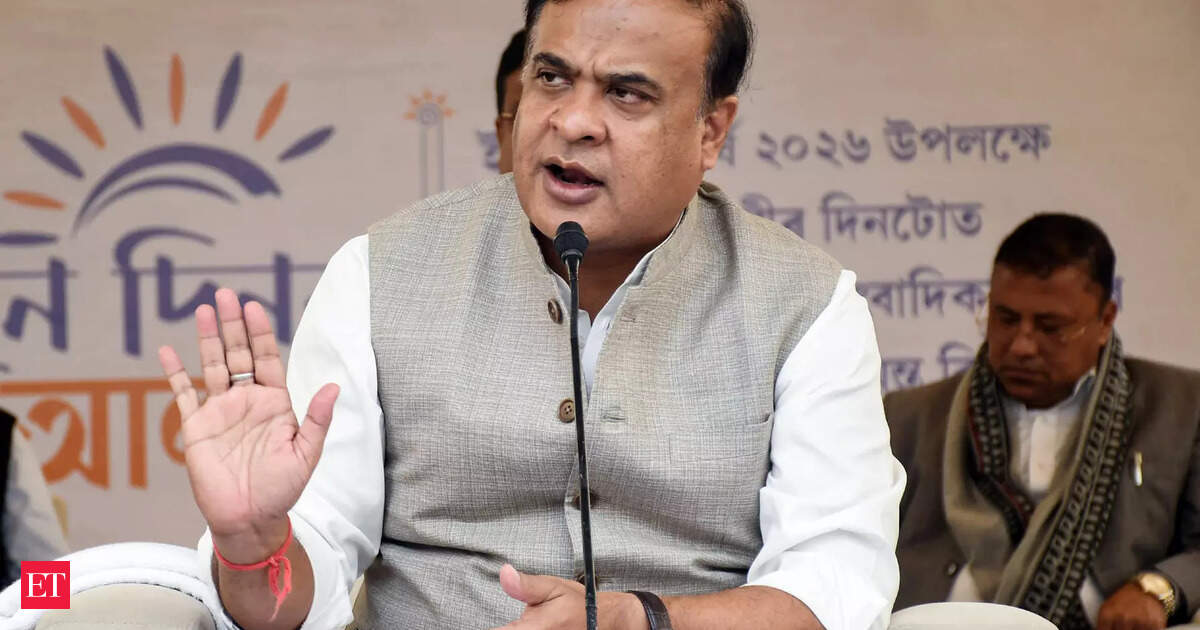

In a transformative move towards transparent governance, Assam has pioneered a merit-based recruitment model that has garnered attention from across India. Chief Minister Himanta Biswa Sarma recently emphasized how the Assam Direct Recruitment Examination (ADRE) has revolutionized government hiring by focusing strictly on merit and transparency. With over 1.56 lakh appointments made under this system, Assam sets an exemplary standard for other states aiming to modernize and streamline their recruitment processes. This article delves into the key features, benefits, and wider impacts of Assam’s recruitment model and how it is inspiring change beyond state borders.
Genesis and Framework of Assam’s Merit-Based Recruitment Model
The Assam Direct Recruitment Examination (ADRE) was conceptualized to address long-standing challenges in government job recruitments, including delays, lack of transparency, and nepotism. The model was designed with a clear mandate: to ensure that appointments are based purely on merit, promoting fairness and efficiency in public service.
Under this mechanism, candidates are selected through a rigorous examination process, followed by thorough document verification, leaving little room for manipulation or favoritism. This system not only streamlines recruitment but also boosts public confidence in government institutions by ensuring equal opportunity.
The framework encompasses multiple government departments, covering a wide array of Grade III and Grade IV posts. The ADRE acts as a centralized and standardized platform, helping maintain uniformity in recruitment standards across various sectors, thus enhancing the quality of public administration.
Record-Breaking Recruitment Numbers and Departmental Distribution
Since its inception, the ADRE has facilitated the appointment of over 1,56,679 candidates under the current Assam government, a milestone that underscores the scale and efficiency of this recruitment model. Recently, 6,347 Grade-III candidates received appointment letters, further advancing the government’s commitment to transparent hiring.
In the initial phase conducted in May 2023, 24,787 candidates were selected, with 11,084 appointed to Grade III positions and 13,739 to Grade IV posts. The second phase saw more than 6,000 candidates selected across 50 government departments, highlighting the extensive reach of the recruitment drive.
Key departments such as Agriculture, Panchayat and Rural Development, School Education, and General Administration saw significant appointments, reflecting the government’s focus on strengthening critical sectors. For instance, 1,764 candidates were appointed in Agriculture, while 772 joined Panchayat and Rural Development.
Ensuring Transparency and Litigation-Free Recruitment
One of the most remarkable achievements of Assam’s merit-based recruitment system is its record of zero litigation in the High Court. This accomplishment speaks volumes about the system’s fairness, robust mechanisms, and adherence to legal and ethical standards.
The transparent process involves clear communication of selection criteria, open examinations, and meticulous document verification, which collectively minimize the chances of disputes or grievances. This approach not only safeguards the rights of candidates but also upholds the integrity of the recruitment process.
Chief Minister Himanta Biswa Sarma has reiterated that the government’s unwavering commitment to transparent recruitment is a cornerstone of good governance. By eliminating corruption and favoritism, the model strengthens public trust and encourages greater participation from talented individuals.
CM Sarma’s Vision for Ethical Public Service and Anti-Corruption
Upon appointing thousands of candidates, CM Himanta Biswa Sarma urged new government employees to uphold the highest ethical standards in their service. He emphasized the importance of rejecting corrupt practices and becoming active crusaders against corruption within the government system.
The Chief Minister encouraged appointees to demonstrate humility and compassion, especially towards the poor and vulnerable sections of society. By delivering high-quality public services, these employees can significantly improve the lives of marginalized communities.
Sarma’s vision extends beyond recruitment to fostering a culture of integrity and accountability. He called upon new employees to take a solemn vow on their first day to maintain transparency, ensuring their roles contribute positively to Assam’s governance.
Fostering Continuous Learning and Team Spirit Among Government Employees
Recognizing that recruitment is just the beginning, CM Sarma highlighted the necessity for continuous learning and skill development among government employees. He pointed out that many employees stop updating their knowledge post-employment, which hampers innovation and service quality.
To counter this, the Chief Minister urged new recruits to embrace a mindset of lifelong learning, staying abreast of new policies, technologies, and administrative reforms. This approach ensures that public services remain efficient and responsive to evolving societal needs.
Moreover, Sarma emphasized cultivating a spirit of ‘Team Assam’—a collaborative environment where cooperation and prompt file disposal become the norm. Such teamwork is essential for expediting administrative processes and achieving shared development goals.
Social Responsibility and Community Engagement by New Appointees
CM Sarma also encouraged new employees to honor their families by presenting something meaningful to their parents with their first salary, fostering a sense of gratitude and responsibility. This gesture symbolizes the tangible benefits of merit-based recruitment for individuals and their families.
Beyond personal milestones, the Chief Minister urged government employees to contribute to local institutions of faith like namghars, which play a vital role in community cohesion and cultural preservation. Such involvement strengthens social bonds and reflects the employees’ commitment to their roots.
By engaging with their communities, government employees can better understand local needs and challenges, enabling them to deliver more empathetic and effective public services. This holistic approach enhances governance at the grassroots level.
Influence of Assam’s Model on Other Indian States
The success of Assam’s merit-based recruitment model has sparked interest among several other Indian states seeking to reform their own government hiring practices. Officials from these states are studying ADRE’s framework to replicate its transparency and efficiency.
This growing attention underscores the model’s potential as a benchmark for nationwide reforms aimed at curbing corruption, delay, and unfairness in public employment. Assam’s approach demonstrates how a well-structured system can balance meritocracy with inclusivity.
By sharing best practices and lessons learned, Assam is contributing to a broader movement towards good governance in India. The Chief Minister’s proactive leadership in this domain has positioned the state as a pioneer in administrative reforms.
Future Prospects and Sustaining the Meritocratic Recruitment System
Looking ahead, Assam plans to continue refining and expanding the ADRE system to accommodate emerging administrative needs and maintain its edge in transparent recruitment. Continuous monitoring and feedback mechanisms are being integrated to enhance the process further.
The government is also exploring technological advancements, such as digitization and AI-based evaluation tools, to increase efficiency and reduce human biases. These innovations will help sustain meritocracy while adapting to future challenges.
Ultimately, Assam’s commitment to merit-based recruitment is a vital pillar of its governance strategy. Sustaining this model requires ongoing political will, administrative discipline, and active participation from all stakeholders to ensure that public service remains a true reflection of talent and fairness.
Conclusion
Assam’s merit-based recruitment model, spearheaded by Chief Minister Himanta Biswa Sarma, stands as a beacon of transparent and just governance. The ADRE system’s success in recruiting over 1.56 lakh candidates without legal disputes exemplifies how meritocracy can be institutionalized in public employment. By fostering ethical conduct, continuous learning, and community engagement, Assam not only enhances administrative efficiency but also strengthens social trust. The growing interest from other states highlights the model’s replicability and potential to inspire nationwide reforms. As Assam continues to innovate and refine its recruitment practices, it sets a powerful example for India’s pursuit of fair and effective governance.
Originally reported by economictimes.indiatimes.com. Adapted for our readers.