
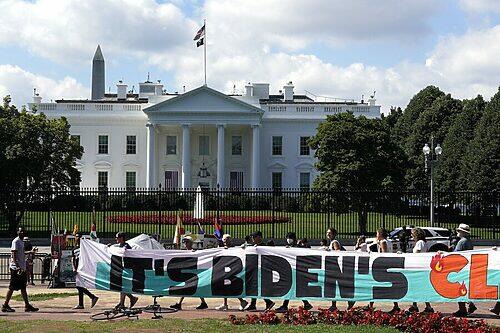

In response to the growing climate crisis and the pressing need for economic recovery, President Joe Biden has announced the creation of the American Climate Corps, a transformative initiative to generate 20,000 green jobs for young adults across the United States. Drawing inspiration from the Civilian Conservation Corps of the 1930s, this program seeks to equip young people with practical skills in conservation, renewable energy, and environmental stewardship. Despite earlier legislative setbacks, the administration’s executive action underscores an ambitious commitment to both environmental sustainability and workforce development, promising to build climate resilience while fostering economic opportunity for a new generation.
The Genesis of the American Climate Corps
The American Climate Corps initiative stems from President Biden’s vision to replicate the success of the Civilian Conservation Corps (CCC), a New Deal program that provided jobs to millions during the Great Depression. Recognizing the urgent need to address climate change while creating job opportunities for young adults, Biden’s administration adapted this historic model to fit today’s environmental and economic challenges.
Initially proposed as part of the sweeping climate legislation passed last year, the climate corps faced significant opposition in Congress, leading to its removal from the final bill. Undeterred, environmental advocates and Democratic lawmakers rallied behind the cause, urging the president to take executive action to establish the program independently.
This new corps is designed to mobilize young adults in projects that range from trail building and tree planting to installing solar panels and wildfire prevention. By engaging youth in hands-on environmental work, the program aims to foster a generation of climate-conscious workers prepared to lead the green economy.
Program Structure and Job Opportunities
The American Climate Corps will create approximately 20,000 paid positions for young adults, focusing on conservation and climate mitigation projects nationwide. Participants will be employed through partnerships with federal agencies, local governments, nonprofits, and private sector entities, providing diverse work environments and experiences.
Key activities include restoring natural habitats, enhancing wildfire resilience, supporting renewable energy installations, and advancing environmental justice initiatives. These jobs will not only contribute to ecological preservation but also equip participants with marketable skills in emerging green industries.
The program emphasizes inclusivity and diversity, aiming to engage young people from various backgrounds, including historically underrepresented communities. By doing so, it seeks to address socio-economic disparities while ensuring a broad-based workforce dedicated to climate action.
Economic and Environmental Impact
The American Climate Corps represents a dual opportunity to advance environmental sustainability and economic recovery. By investing in green infrastructure and conservation, the program tackles climate change head-on, helping to reduce carbon emissions and enhance community resilience against natural disasters.
Economically, the corps provides meaningful employment during a period of labor market shifts, particularly for young adults entering the workforce. Participants will receive a living wage along with benefits such as healthcare, child care support, housing assistance, and transportation subsidies, ensuring comprehensive support for their well-being.
The program’s focus on training and workforce development is expected to create a pipeline of skilled workers for the expanding clean energy sector, including jobs in solar, wind, and energy efficiency. This strategic alignment with future economic trends positions the corps as a catalyst for long-term economic transformation.
Political Challenges and Bipartisan Responses
While the American Climate Corps enjoys strong support from Democrats and environmental organizations, it has faced criticism from some Republican lawmakers. Opponents argue that the program could duplicate existing efforts, waste taxpayer money, and disrupt job markets already recovering from the COVID-19 pandemic.
Republican leaders have voiced concerns that the corps might be an unnecessary government expansion reminiscent of New Deal-era programs, questioning its effectiveness in land management and economic impact. However, proponents counter that the scale and urgency of the climate crisis demand bold, coordinated responses.
Despite political differences, the bipartisan debate highlights the complexity of balancing environmental goals, fiscal responsibility, and workforce development. The administration’s decision to use executive authority reflects a pragmatic approach to advancing climate initiatives amid legislative gridlock.
Lessons from the Original Civilian Conservation Corps
The American Climate Corps draws heavily on lessons from the original Civilian Conservation Corps, which operated from 1933 to 1942 and successfully employed millions of young men in conservation projects. The CCC played a crucial role in developing national parks, combating soil erosion, and creating infrastructure that benefited communities for decades.
Unlike its predecessor, the new corps is designed to be inclusive of all genders and ethnicities, reflecting contemporary values of diversity and equity. This approach ensures that the benefits of green job creation reach a broader spectrum of young Americans.
Additionally, the economic context differs significantly. The CCC was launched during the Great Depression when unemployment was extraordinarily high, whereas the current U.S. economy experiences relatively low unemployment. This distinction shapes the corps’ focus more on climate action and skill-building than solely on job creation.
Collaboration with States and Federal Agencies
The American Climate Corps will operate through a collaborative framework involving multiple federal agencies and state governments. Agencies such as the Department of the Interior, Environmental Protection Agency, and Department of Energy are integral to program implementation, providing resources and project oversight.
States like California, Colorado, Maine, Michigan, and Washington have already pioneered similar climate corps programs, serving as models for the national initiative. These states have demonstrated the effectiveness of localized climate workforce development in addressing regional environmental priorities.
The administration plans to partner with at least ten states initially, expanding the program’s reach and tailoring projects to diverse ecological and community needs. This cooperative approach enhances the program’s adaptability and impact across different geographic areas.
Supporting Youth and Building a Green Workforce
The American Climate Corps prioritizes empowering young adults by providing comprehensive support beyond employment. Participants will gain access to education and training opportunities, mentoring, and career development resources to prepare them for long-term success in the green economy.
By offering benefits like health care, child care, and housing assistance, the program addresses barriers that often hinder young people’s participation in workforce programs. This holistic support system aims to foster stability and enable participants to focus on skill acquisition and career growth.
The initiative also promotes environmental justice by intentionally recruiting from communities disproportionately affected by climate change. By doing so, it helps create equitable pathways into emerging industries while contributing to community resilience and sustainability.
Future Outlook and Long-Term Vision
The launch of the American Climate Corps marks a significant step toward integrating climate action with economic opportunity. As the program matures, it is expected to expand in scale and scope, potentially serving as a cornerstone of the nation’s climate and workforce strategies.
Long-term success will depend on sustained funding, effective partnerships, and continuous adaptation to evolving environmental and labor market conditions. The administration’s commitment to inclusivity and support services will be critical in maintaining the program’s relevance and impact.
Ultimately, the American Climate Corps aims to cultivate a generation of skilled, environmentally conscious workers who will drive the transition to a sustainable economy, ensuring that climate resilience and economic prosperity go hand in hand.
Conclusion
The creation of the American Climate Corps represents a bold, forward-thinking effort to address the intertwined challenges of climate change and youth employment. By mobilizing 20,000 young adults in meaningful environmental work, the program not only helps mitigate the devastating impacts of climate disasters but also strengthens the foundation for a resilient, inclusive green economy. As the initiative unfolds, it promises to serve as a model for innovative workforce development that prioritizes sustainability, equity, and community empowerment. In doing so, the American Climate Corps embodies a vital step toward securing a healthier planet and prosperous future for generations to come.
Originally reported by festyy.com. Adapted for our readers.