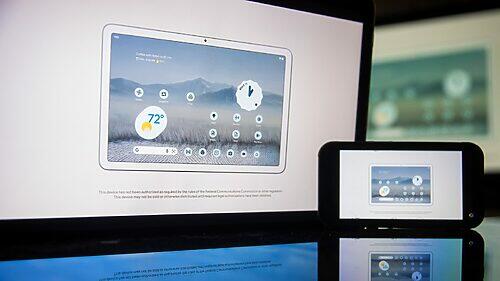

Google recently announced its return to the tablet market with the Pixel Tablet, sparking curiosity and mixed reactions. While the device’s name and design might seem understated, its potential to support an active stylus could mark a significant turning point for Android tablets. This accessory, once disparaged by Apple co-founder Steve Jobs, has found new relevance through products like the Apple Pencil. Google's embrace of stylus technology via the Pixel Tablet could reshape developer tools and user experiences, signaling a fresh chapter for Android tablets.
The Return of Google to the Tablet Market
After a prolonged absence, Google’s announcement of the Pixel Tablet has reignited interest in its hardware ambitions. The company’s decision to enter the tablet space again reflects the growing importance of versatile mobile devices in today’s tech landscape. Unlike previous attempts, this new Pixel Tablet aims to integrate seamlessly with Google’s ecosystem, particularly the Pixel smartphone line.
Despite initial skepticism regarding its design and naming, the Pixel Tablet’s unveiling at Google I/O 2022 hinted at a broader vision. Rather than competing solely as a portable device, Google appears to position the tablet as a smart home hub extension, akin to a Nest Hub Max without a dock. This strategy suggests a focus on stationary, multi-use functionality rather than pure mobility.
This pivot could appeal to users seeking a device that bridges the gap between smartphones and smart home products. By blending these roles, the Pixel Tablet may carve out a unique niche, setting the stage for innovative features like stylus support to enhance productivity and creativity.
Steve Jobs and the Stylus: A History of Ridicule
The stylus accessory has a storied history in the tech world, particularly within Apple’s ecosystem. Steve Jobs famously ridiculed the stylus during the launch of the original iPhone in 2007, emphasizing finger input as the future of mobile interaction. He considered styluses to be outdated and cumbersome, a sentiment that influenced Apple’s design philosophy for years.
However, despite Jobs’ initial dismissal, Apple eventually embraced the stylus with the introduction of the Apple Pencil in 2015, designed for the iPad Pro. This shift acknowledged the stylus’ value in precision tasks like drawing, note-taking, and graphic design, especially for creative professionals and students.
Google’s potential support for an active stylus on the Pixel Tablet signals a parallel evolution in Android’s approach. By integrating stylus compatibility, Google could offer similar utility and precision, empowering users to interact with their devices in more nuanced ways.
Understanding the Active Stylus and USI Initiative
Active styluses differ from passive counterparts by incorporating electronics that enable features such as pressure sensitivity, tilt detection, and palm rejection. These capabilities allow for a more natural and responsive drawing or writing experience, essential for creative and productivity applications.
Google’s involvement in the Universal Stylus Initiative (USI), a consortium aimed at standardizing active stylus technology, underscores its commitment to enhancing stylus support on Android devices. Having joined the initiative in 2018, Google helps promote interoperability and consistency across manufacturers and platforms.
Recent findings from tech blog NuGiz revealed that Google’s forthcoming Pixel Tablet, codenamed “Tangor,” has been certified under the USI standard. This certification suggests that the tablet will support an active stylus with features like wireless charging via NFC, setting it apart from most current Android tablets.
How Stylus Support Enhances the Pixel Tablet’s Role
Incorporating an active stylus transforms the Pixel Tablet from a mere media consumption device into a powerful tool for creativity and productivity. Users can expect improved precision for tasks such as note-taking, sketching, photo editing, and document annotation, which are increasingly important in both professional and educational contexts.
The stylus also complements the Pixel Tablet’s role as a smart home extension. For instance, users might interact with calendars, control smart devices, or jot down reminders more intuitively using the pen. This dual functionality enhances the tablet’s versatility and everyday usefulness.
Moreover, stylus support may encourage app developers to optimize their Android applications for pen input. This development could lead to a richer, more diverse app ecosystem that leverages the Pixel Tablet’s capabilities, ultimately benefiting the broader Android user base.
The Pixel Tablet as a Reference Device for Developers
Historically, Google has lacked a definitive Android tablet that serves as a reference model for developers. This absence has sometimes hindered app optimization and innovation within the tablet segment of the Android ecosystem. The Pixel Tablet, with stylus support, could fill this void effectively.
By providing a standardized platform with clear hardware and software specifications, Google enables developers to design and test apps with confidence. This approach ensures better compatibility and performance across the diverse range of Android tablets available in the market.
The inclusion of the stylus, backed by USI certification, further empowers developers to integrate advanced pen input features. These enhancements could lead to more sophisticated apps, particularly in creative fields, boosting the overall appeal of Android tablets.
Challenges and Considerations for Google’s Stylus Strategy
While stylus support offers many advantages, it also presents challenges for Google. Balancing the tablet’s role as a stationary smart home device with the mobility benefits typical of tablets requires careful design considerations. The stylus must be seamlessly integrated without compromising user convenience or device aesthetics.
Another consideration is pricing. Stylus accessories often add to the overall cost, and Google must ensure that the Pixel Tablet remains competitively priced to attract a broad audience. Offering the stylus either bundled or as an affordable add-on could influence adoption rates significantly.
Finally, Google faces the task of educating consumers about the stylus’s benefits, especially since many Android users have not traditionally relied on pen input. Effective marketing and clear demonstrations of use cases will be crucial to overcoming skepticism and encouraging widespread use.
Comparing the Pixel Tablet to Competitors with Stylus Support
Several Android tablets from brands like Samsung, Lenovo, and Huawei already support active styluses, each with proprietary technologies. Samsung’s S Pen, for example, is widely praised for its responsiveness and integration with the Galaxy Tab series, establishing a high benchmark in the market.
The Pixel Tablet’s adoption of the USI standard could differentiate it by promoting cross-device stylus compatibility, reducing fragmentation. This approach benefits users who switch between devices or prefer a universal accessory rather than brand-specific styluses.
However, Google must ensure that the Pixel Tablet’s stylus experience matches or exceeds that of competitors in terms of latency, pressure sensitivity, and overall responsiveness. Success in this area could position the Pixel Tablet as a compelling alternative for stylus users within the Android ecosystem.
Implications for the Future of Android Tablets
The Pixel Tablet’s stylus support may catalyze a broader renaissance for Android tablets, a segment that has struggled to gain the same traction as iPads. By setting a new standard for hardware and developer tools, Google could invigorate tablet innovation across the platform.
Enhanced stylus capabilities could also encourage more content creators, students, and professionals to consider Android tablets as viable tools for their work and study. This shift would diversify the tablet market and foster competition that benefits consumers.
Ultimately, the Pixel Tablet’s success with stylus integration could influence future hardware designs, software optimizations, and accessory ecosystems. It represents a strategic step toward closing the gap between Android tablets and their more established counterparts.
Conclusion
Google’s Pixel Tablet has the potential to redefine the role of stylus accessories within the Android ecosystem, overcoming past skepticism epitomized by Steve Jobs’ critiques. By embracing active stylus technology through the Universal Stylus Initiative, Google is positioning the Pixel Tablet as both a versatile smart home device and a powerful tool for creativity and productivity. This strategic move not only enhances user experience but also provides developers with a much-needed reference platform to optimize apps for tablet use. While challenges remain, the Pixel Tablet’s stylus support signals a promising future for Android tablets, fostering innovation and expanding their appeal in a competitive market.
Originally reported by corneey.com. Adapted for our readers.