

Australia’s economy is at a pivotal juncture. With productivity growth slowing and external economic buffers waning, the nation requires decisive leadership to navigate the complexities ahead. Prime Minister Anthony Albanese’s Jobs Summit is positioned as a landmark event aiming to chart a course for a stronger, more resilient workforce and improved living standards. However, clarity about the summit’s economic objectives and adherence to proven reformist principles are essential to avoid fragmentation and ensure meaningful outcomes. This article delves into the summit’s context, challenges, and the critical role of Albanese’s leadership in defining Australia’s economic future.
Understanding Australia’s Productivity Slowdown
Australia has experienced a notable deceleration in productivity growth over recent years, a trend that poses significant challenges for long-term economic prosperity. Productivity, which measures the efficiency of labor and capital in generating output, is fundamental to improving wages and living standards. Without reversing this slowdown, Australia risks stagnation in real incomes and diminished global competitiveness.
The roots of this productivity decline are multifaceted, including structural changes in the economy, technological adoption lags, and shifts in labor market dynamics. External factors such as reduced demand from major trading partners and tightening monetary conditions further complicate the outlook. These trends underscore the urgency for policy interventions that stimulate innovation and workforce skills development.
Addressing productivity is not merely a technical economic issue but a socio-political imperative. It requires coordinated efforts across government, industry, and labor groups to foster an environment conducive to sustainable growth. The Jobs Summit offers a platform to confront these challenges head-on, provided its agenda remains focused and pragmatic.
The Legacy of Hawke and Keating Reforms
Australia’s economic prosperity over the past four decades is largely attributed to the reformist agenda initiated during the Hawke and Keating governments in the 1980s and 1990s. These reforms embraced pro-market principles, deregulation, and labor market flexibility, which collectively enhanced productivity and economic resilience.
The 1983 Economic Summit, a landmark event of that era, successfully galvanized diverse stakeholders around a shared vision of economic modernization. It established a consensus on the importance of structural reforms, tax rationalization, and workplace relations improvements, laying the foundation for sustained growth and rising living standards.
Revisiting this reformist spirit is critical for the current Jobs Summit. While contemporary challenges differ, the underlying principle that market-oriented policies can drive prosperity remains relevant. Prime Minister Albanese’s leadership must reflect an appreciation of this legacy to avoid policy fragmentation and ideological diversion.
Challenges in the Lead-Up to the Jobs Summit
The pathway to the Jobs Summit has been marked by uncertainty and mixed signals, with Prime Minister Albanese himself perceived as part of the problem due to inconsistent messaging on economic priorities. His historical opposition to key reforms and apparent disengagement from vital economic debates have raised concerns about the summit’s potential effectiveness.
Moreover, the summit risks being overshadowed by competing agendas, particularly from influential groups like the Australian Council of Trade Unions (ACTU). The ACTU’s push for policies centered on renationalization, punitive taxation, and price controls threatens to divert attention from productivity-enhancing measures toward redistributive and interventionist approaches.
To prevent such derailment, Albanese must assert clear leadership, setting firm parameters for the summit’s discussions. Without a coherent framework and a shared economic goal, the summit may fail to produce actionable outcomes, diminishing its historical significance.
Articulating a Clear Economic Goal for the Summit
A foundational step for the Jobs Summit’s success is the explicit articulation of its economic objective. The government’s stated aim to build a larger, better-trained, and more productive workforce that delivers higher wages and living standards is promising but requires elaboration and operational clarity.
This clarity involves defining measurable targets for productivity growth, workforce participation, skills acquisition, and income improvement. It also entails committing to policies that enhance economic flexibility, innovation, and investment, balancing short-term relief with long-term structural reforms.
Prime Minister Albanese must communicate this vision unequivocally to the summit’s 100 participants to foster consensus and collective commitment. Clear economic goals will help align diverse stakeholders and minimize the risk of the agenda being overloaded with unrelated or counterproductive proposals.
Balancing Workforce Development and Market Reforms
Improving workforce quality through education, training, and skills development is central to raising productivity and ensuring economic inclusivity. The Jobs Summit should prioritize strategies that enhance vocational education, digital literacy, and lifelong learning to equip Australians for evolving labor market demands.
However, workforce development must be complemented by market reforms that encourage competition, entrepreneurship, and innovation. Regulatory simplification, tax reform, and flexible workplace relations frameworks are essential to create an environment where businesses can thrive and workers reap the benefits.
Striking this balance is delicate but necessary. Overemphasis on either side risks either stifling economic dynamism or neglecting social equity. The summit’s agenda should reflect this dual focus to build a robust and adaptable economy.
The Role of Immigration and Productivity Assumptions
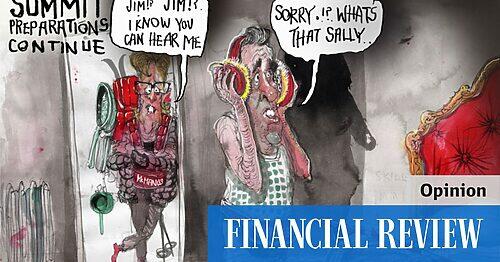
Treasurer Jim Chalmers has indicated that the summit may endorse an increase in immigration levels to support economic growth. Immigration can contribute positively by addressing labor shortages, enhancing skills diversity, and stimulating demand, provided it is managed strategically to align with workforce needs.
Simultaneously, the government is expected to reassess productivity growth assumptions underpinning budget forecasts. Recent budgets have relied on a return to a long-run productivity growth average of 1.5 percent, a figure that has been elusive in recent years. Adjusting these assumptions is a candid acknowledgment of current economic realities.
These developments underscore the importance of realistic economic modeling and policy calibration. The summit must integrate these factors into its framework to ensure that growth projections and fiscal strategies are grounded and credible.
Avoiding Political Hijacking and Ensuring Focused Outcomes
One of the main risks facing the Jobs Summit is political hijacking by factions seeking to advance narrow ideological agendas that may conflict with broader economic objectives. The ACTU’s attempts to push for renationalization and punitive taxation exemplify such risks.
To safeguard the summit’s integrity, Prime Minister Albanese must exercise firm control over the agenda, emphasizing evidence-based policy discussions and discouraging divisive or unrealistic proposals. This approach will help maintain a constructive environment conducive to consensus-building.
Focused outcomes require clear timelines, implementation plans, and accountability mechanisms. The summit should not merely be a symbolic gathering but a catalyst for tangible policy reforms that address productivity and workforce challenges effectively.
The Summit’s Potential to Shape Australia’s Economic Future
The Jobs Summit represents a critical opportunity to reinvigorate Australia’s economic strategy amidst evolving global and domestic challenges. Its success hinges on visionary leadership, clear economic goals, and a commitment to reformist principles that have historically delivered prosperity.
If Prime Minister Albanese can unify stakeholders around a coherent agenda emphasizing productivity, workforce quality, and market efficiency, the summit may become a turning point akin to the 1983 Economic Summit. Such an outcome would bolster Australia’s resilience and enhance living standards for future generations.
Conversely, failure to articulate a clear economic direction or manage competing interests risks rendering the summit ineffective, squandering a vital chance to address pressing economic issues. The onus is on Albanese to seize this moment and provide the clarity and leadership Australia urgently needs.
Conclusion
Australia stands at an economic crossroads, and the upcoming Jobs Summit led by Prime Minister Anthony Albanese is a defining moment. To navigate the challenges of productivity stagnation and shifting global dynamics, Albanese must provide unambiguous leadership and a clear economic vision rooted in proven reformist traditions. By aligning stakeholders around focused goals that prioritize workforce enhancement and market efficiency, the summit can deliver meaningful policy outcomes that secure Australia’s prosperity. Failure to do so risks political fragmentation and squandered opportunities. The path forward demands clarity, consensus, and commitment—the hallmarks of successful economic stewardship.
Originally reported by festyy.com. Adapted for our readers.